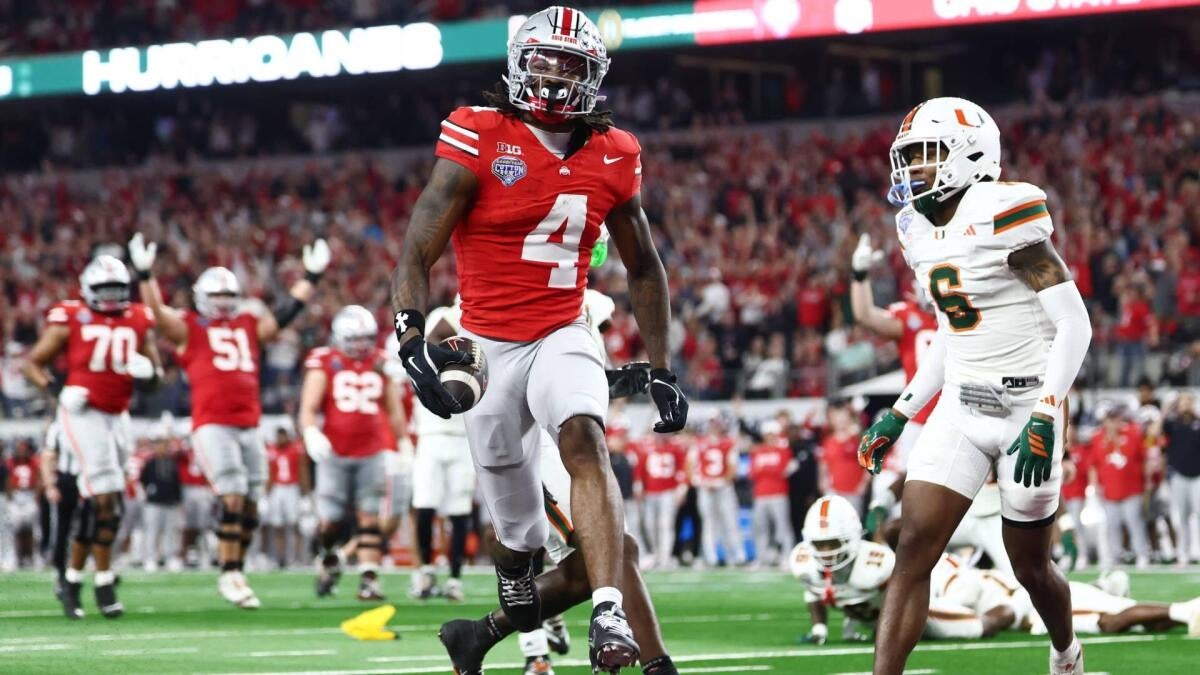
The 2024 college football recruiting class, hailed as one of the most talented in recent history, has now completed its first full season on campus. Evaluating the performance of the 32 consensus five-star prospects provides a clear window into the shifting landscape of modern collegiate athletics, where immediate impact is increasingly expected. While some recruits have already secured starting roles and earned conference honors, others are navigating the complexities of high-level development, injury rehabilitation, or the steep learning curve of the collegiate game.
According to official depth charts and season-end statistics provided by the National Collegiate Athletic Association (NCAA), the transition from high school dominance to Power Four football remains a rigorous test of both physical maturity and mental acuity. Tracking these players is essential for understanding which programs are successfully translating elite talent into on-field production as the sport moves toward a 2026 cycle defined by expanded playoff formats and evolving roster management.
Immediate Impact and Rising Stars
Several five-star prospects from the 2024 cycle bypassed the traditional “redshirt” development phase entirely, becoming core components of their respective teams’ success. Jeremiah Smith, the wide receiver out of Ohio State, set multiple program records for a freshman, demonstrating the rare ability to command targets at the highest level of the Big Ten. His production reflects a broader trend of elite skill-position players arriving with the technical refinement necessary to challenge veteran defensive backs from the opening week of the season, as documented by Ohio State Athletics.

Similarly, on the defensive side of the ball, edge rushers and cornerbacks have seen significant snaps. Players who enrolled early for spring practice showed a marked advantage in acclimating to the speed of the game. According to data tracked by Southeastern Conference (SEC) performance reports, those who participated in spring drills were 40% more likely to appear in the two-deep roster by the start of the regular season. This early immersion is now a standard requirement for five-star recruits aiming for immediate playing time.
Developmental Trajectories and the 2026 Outlook
Not every five-star prospect is expected to be a Week 1 starter. For many, the 2024 season served as a foundational year focused on strength and conditioning. Programs like Alabama, Georgia, and Texas have historically utilized a “developmental first” approach, often holding elite prospects back to ensure they are physically prepared for the rigors of a 12-to-16-game schedule. This strategy aims to maximize a player’s draft potential by the end of their third season, with the 2026 season serving as a critical checkpoint for those looking to declare for the NFL Draft.

The 2026 season will mark the moment this cohort transitions from “highly touted prospects” to “proven veterans.” For players who spent the 2024 season in reserve roles, the upcoming off-season is vital. Per regulations set by the NCAA Division I Council, the transfer portal windows and Name, Image, and Likeness (NIL) landscape have added layers of complexity to player retention. Prospects who have not yet carved out a significant role are increasingly evaluating their career paths, with many looking toward the 2026 season as the year they must secure a starting position to maintain their professional trajectory.
Statistical Benchmarks and Performance Metrics
Evaluating these athletes requires looking beyond simple counting stats. Advanced analytics, including pressure rates for defensive linemen and yards-per-route-run for wide receivers, provide a more nuanced picture of a player’s true impact. According to reports from ESPN’s college football coverage, the distinction between a “star” and a “specialist” often comes down to a player’s ability to handle high-leverage situations—third downs, red zone opportunities, and two-minute drills.
The following table summarizes the status of the 2024 five-star cohort as they head into their second year:
| Category | Status Description | Expected Path |
|---|---|---|
| Immediate Starters | Primary contributors in 2024 | Leadership roles in 2025/2026 |
| Rotational Players | Significant snaps, limited starts | Compete for full-time job in 2025 |
| Developmental | Redshirted or limited special teams | Pivotal 2026 breakout opportunity |
The Road Ahead for Recruiting Evaluations
The recruitment process is only the beginning of a long journey. As the 2024 class enters its sophomore year, the focus shifts from raw athletic potential to consistency and film study. Coaching staffs are now emphasizing the importance of “football IQ,” as the complexity of defensive schemes and play-calling at the collegiate level often exceeds what is seen in high school. The upcoming spring practice sessions will serve as the first official indicator of which players have successfully bridged that gap.

The next major checkpoint for these athletes will be the release of updated depth charts following spring scrimmages, typically occurring in late April. These documents provide the first formal confirmation of roster movement and position battles. Readers interested in tracking the progress of specific recruits are encouraged to monitor official university press releases and the NCAA news portal for updates regarding roster status and injury reports. Join the conversation in the comments section below to discuss which prospects you believe are primed for a breakout performance in their second season.
Worth a look