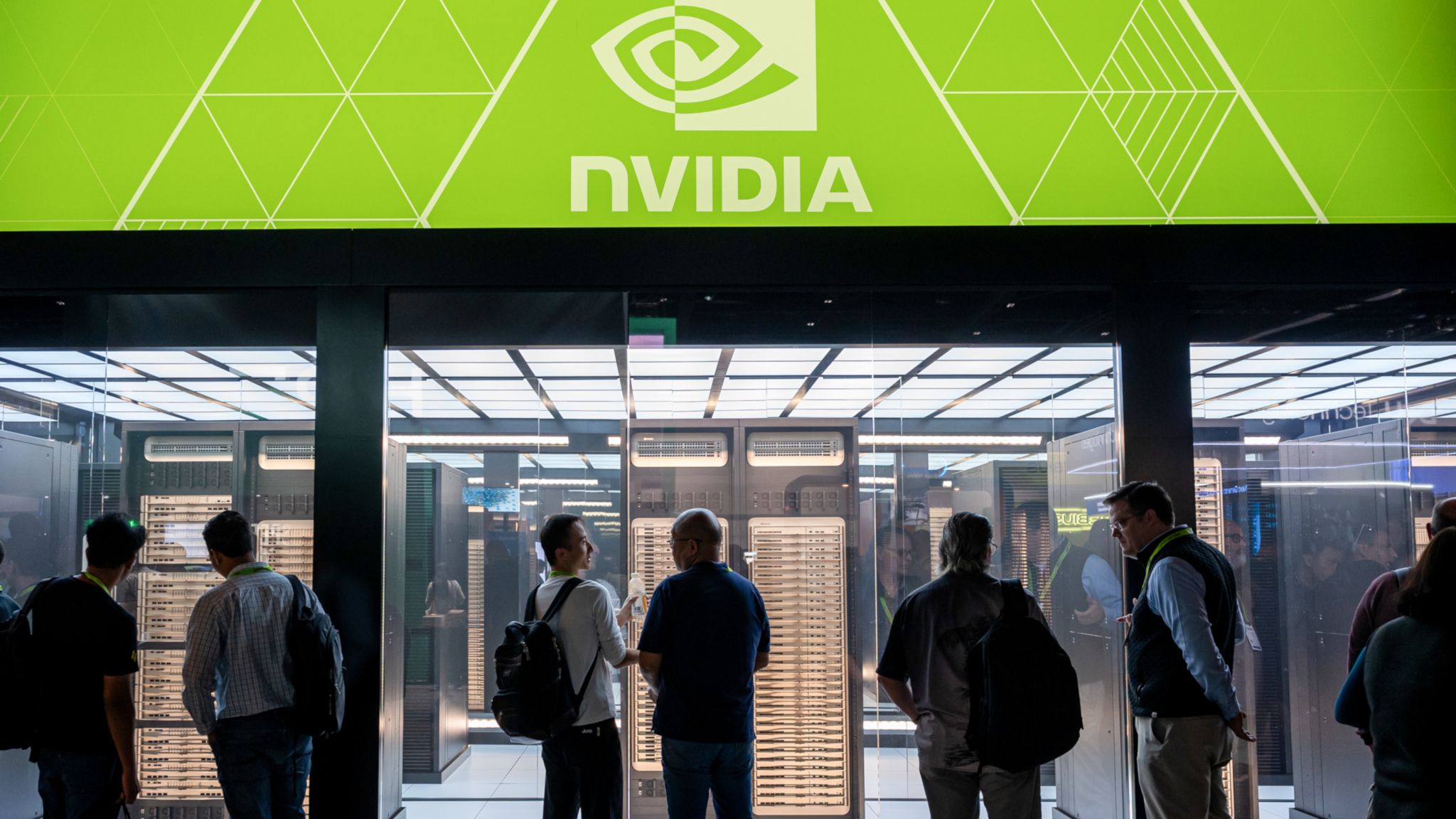
The United States government has granted approval for Chinese telecommunications conglomerate ZTE and the server manufacturer Maginfra to purchase Nvidia’s H200 AI graphics processing units. This decision allows these firms to join a limited group of approximately 10 Chinese technology companies, including Alibaba, Tencent, ByteDance, and JD.com, that have received specific U.S. clearance to acquire high-end Hopper-architecture chips. These export licenses are issued on a case-by-case basis, reflecting the ongoing complexities of the U.S.-China technology trade relationship.
While the H200—a high-performance chip designed for large-scale artificial intelligence training and inference—is permitted under current regulations, the newer and more powerful Blackwell series remains subject to stricter export prohibitions.
Regulatory Context and Export Control Dynamics
Despite the recent approvals, the actual volume of hardware moving into the Chinese market remains low. During a recent congressional hearing, U.S. trade officials noted that only a very small quantity of H200 chips and their equivalents have been shipped under these specific licenses.

Market Demand and Domestic Competition
The demand for AI processing power in China remains robust, driven by the rapid growth of domestic cloud computing and generative AI sectors. Reports have previously indicated that major Chinese tech firms placed orders for over two million H200-class chips, reflecting a significant appetite for advanced silicon that far exceeds available supply. This market pressure has pushed many Chinese companies to explore alternative solutions, including the development of homegrown AI accelerators.
Huawei, in particular, has made great strides both technologically and financially. This push for technological sovereignty is supported by government policies that encourage local firms to prioritize domestic suppliers over foreign alternatives. While ZTE and other conglomerates continue to seek access to Nvidia hardware to fulfill their cloud infrastructure requirements, they are simultaneously navigating a landscape where the Chinese government is actively promoting the use of locally produced alternatives to reduce reliance on external supply chains.
Future Outlook for Semiconductor Trade
For investors and industry observers, future Nvidia earnings reports and official U.S. trade filings will serve as the primary indicators of whether these approved licenses translate into material revenue or significant hardware deployments.
Worth a look