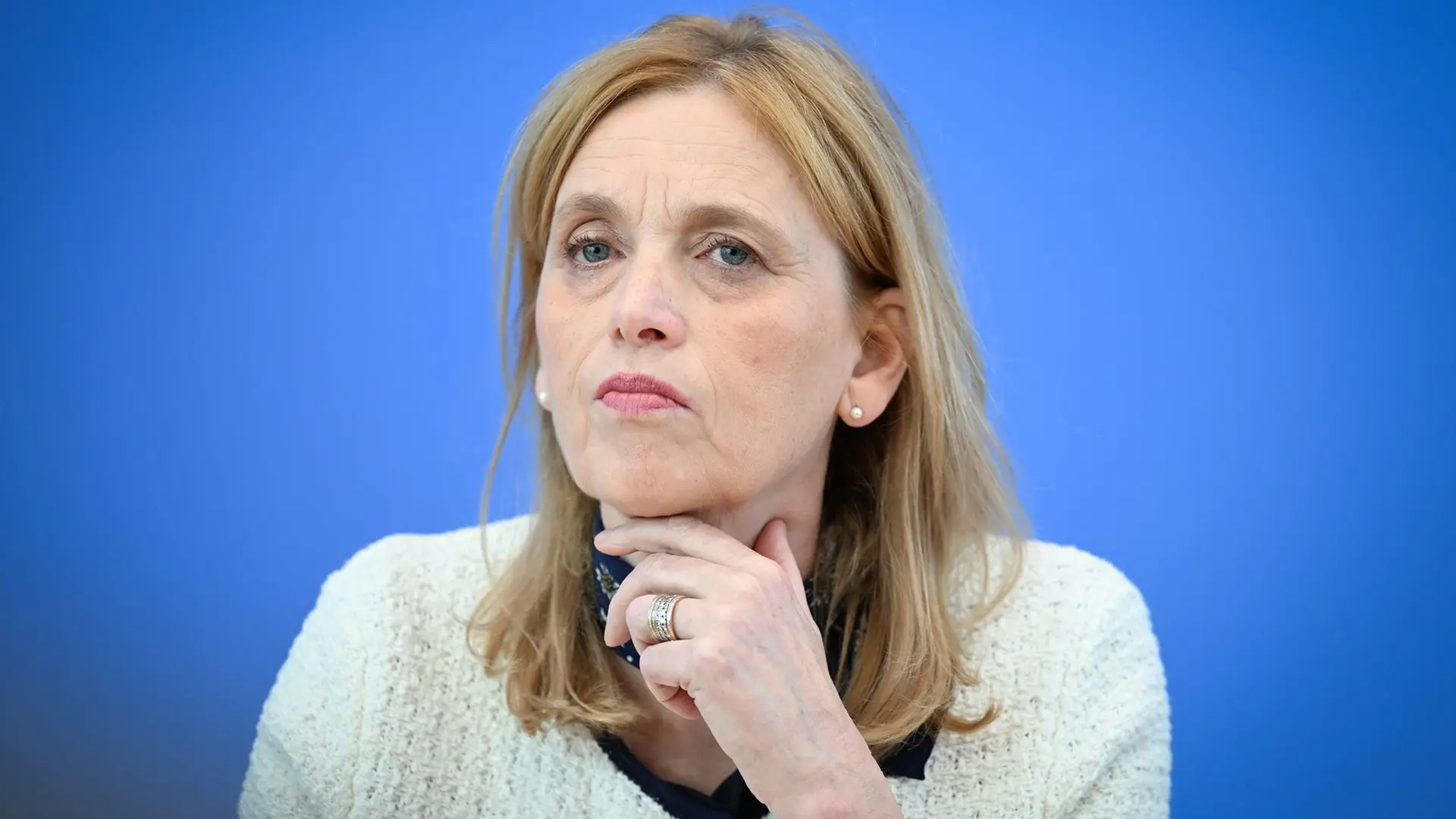
Schleswig-Holstein’s Minister of Education, Karin Prien, has defended proposed budgetary adjustments regarding the state’s financial support for children, specifically addressing the mechanism known as Unterhaltsvorschuss (advance maintenance payments). These proposals, which aim to recalibrate how the state manages child support shortfalls, have triggered significant debate among policymakers and child advocacy organizations concerned about the long-term impact on youth development and vocational stability.
The Unterhaltsvorschuss serves as a vital social safety net in Germany, providing financial security to children of single parents when the other parent fails to meet their maintenance obligations. The federal legal framework for this payment, governed by the Unterhaltsvorschussgesetz (UhVorschG), ensures that the state steps in to cover these costs. Minister Prien’s recent suggestions for adjustments have been framed within the broader context of state budget consolidation, though they have met with immediate resistance from groups who argue that any reduction in support could jeopardize the educational trajectories of affected children.
Policy Context and Financial Implications
The discussion surrounding potential cuts arises as state governments across Germany face mounting pressure to balance budgets while maintaining essential social services. According to reports from the Norddeutscher Rundfunk (NDR), the proposed modifications have drawn sharp criticism from the German Children’s Fund (Deutsches Kinderhilfswerk). The organization has publicly asserted that reducing these funds risks compromising the educational opportunities of young people, arguing that financial instability often leads to premature entry into the workforce at the expense of completing higher-level vocational training or academic qualifications.

At the center of this debate is the tension between fiscal discipline and the state’s mandate to support vulnerable families. While the federal government provides the legislative basis for the Unterhaltsvorschuss, the administration of these funds involves complex coordination between federal and state levels. The Federal Ministry for Family Affairs, Senior Citizens, Women and Youth notes that this support is designed to ensure the subsistence of the child, and any alteration to the funding structure requires careful balancing of constitutional requirements for child welfare.
Stakeholder Reactions and Political Scrutiny
The announcement of the potential funding adjustments has prompted a wave of reaction from across the political spectrum. Critics, including various members of the state parliament, have questioned whether the long-term social costs of reduced support—such as potential increases in poverty-related interventions—outweigh the immediate budgetary savings. The German Children’s Fund has emphasized that for many single-parent households, these payments are not discretionary income but are essential for covering basic educational costs, including school materials and extracurricular activities that support development.
Minister Prien has maintained that the proposals are part of a necessary effort to ensure the long-term sustainability of the state budget. The administration has pointed toward the need to prioritize spending in a fiscal environment marked by inflation and rising costs for public infrastructure. However, the precise nature of the planned cuts and their implementation timeline remain subjects of ongoing negotiation within the state coalition. The Schleswig-Holstein State Parliament (Landtag) is expected to address these budgetary proposals in upcoming sessions, where further details regarding the specific impact on the Unterhaltsvorschuss will likely be presented.
Future Developments and Accountability
As the debate continues, advocacy groups are calling for a transparent review of the potential socioeconomic consequences of the suggested measures. The primary concern remains the risk that children in single-parent households may face limited access to training and education, potentially impacting their future earning potential and reliance on social welfare systems. The Deutsches Kinderhilfswerk continues to lobby for the protection of these funds, citing the potential for long-term damage to the educational prospects of the state’s youth.

For families currently receiving Unterhaltsvorschuss, the status of these payments remains unchanged as the legislative process unfolds. Official updates regarding budget allocations are typically published through the Ministry of General and Vocational Education, Science, Research and Culture of Schleswig-Holstein. Citizens are encouraged to monitor official government portals for any changes to eligibility or payment structures that may follow the next scheduled parliamentary budgetary hearings. The dialogue between the Ministry and social welfare advocates is expected to intensify as the legislative calendar progresses toward the final vote on the state budget.