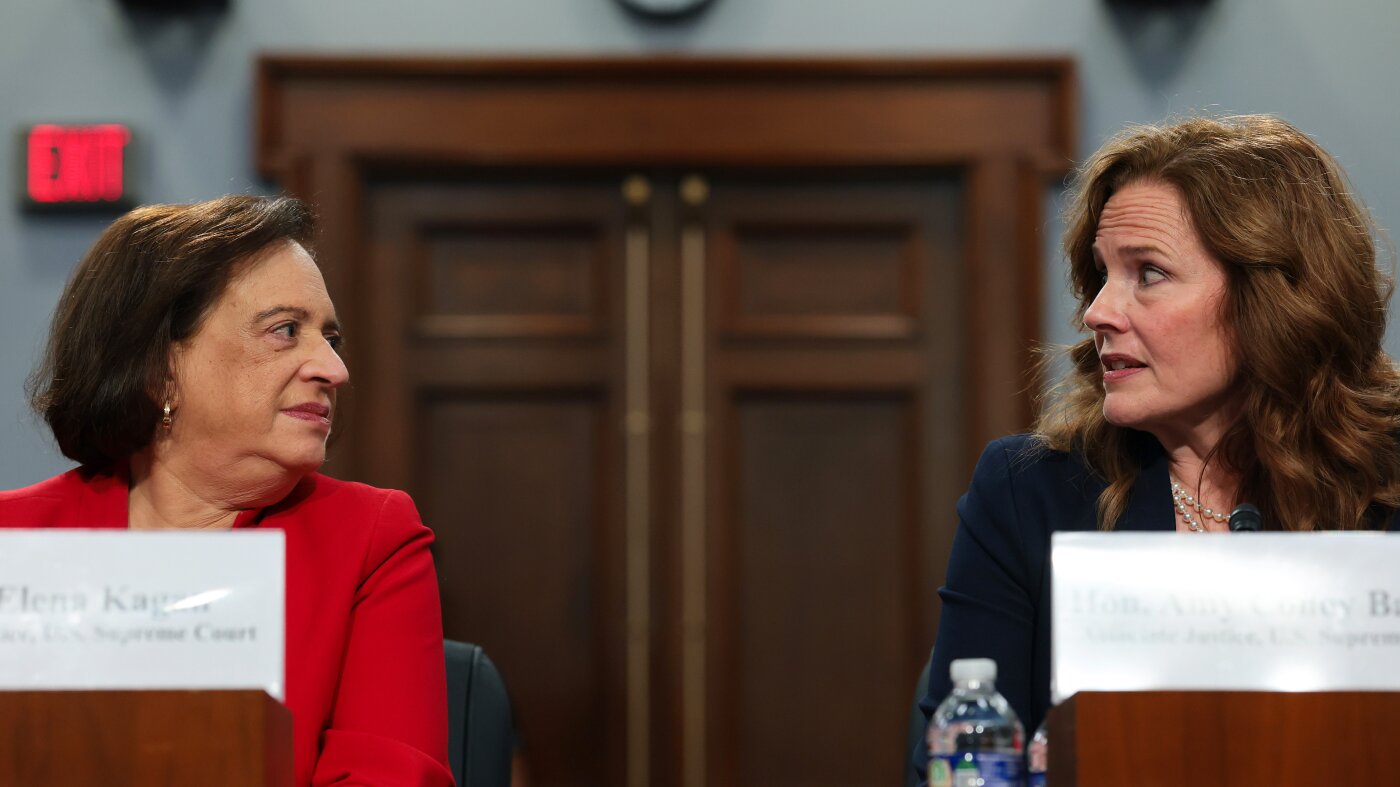
Supreme Court Justices Elena Kagan and Amy Coney Barrett have informed lawmakers that the highest court in the United States requires additional funding for security and operational needs due to an escalation in threats against the justices. During testimony before Congress, the justices described a deteriorating safety environment that necessitates a more robust security posture to protect the judiciary’s independence and the physical safety of its members.
The request comes as the Supreme Court faces an unprecedented surge in targeted harassment and threats following several high-profile rulings. According to reports from the Supreme Court of the United States, the court has had to adapt its security protocols to address a new era of volatility, where justices and their families are increasingly targeted at their private residences and during public appearances.
Justice Kagan and Justice Barrett emphasized that the current budgetary allocations for the Supreme Court Police do not reflect the current threat landscape. They argued that the need for enhanced surveillance, increased personnel, and better technological infrastructure is no longer optional but essential for the basic functioning of the court.
The Escalation of Threats Against the Judiciary
The shift in the security environment is not an isolated incident but a trend tied to the increasing polarization of American legal and political discourse. Lawmakers heard accounts of threats that have moved beyond traditional protests to specific, actionable warnings directed at the justices. Justice Barrett and Justice Kagan noted that the nature of these threats has evolved, often involving digital doxing and the tracking of justices’ movements.

This surge in hostility follows a series of landmark decisions that have sparked intense national debate. The U.S. Department of Justice has previously investigated multiple instances of harassment directed at the court, including the 2022 incident where a threat was made against Justice Brett Kavanaugh, which led to a federal investigation and subsequent arrest of a suspect.
The justices testified that the psychological toll of these threats extends to their families. The need for 24-hour protection for spouses and children has become a recurring theme in the court’s requests for increased funding, as the perimeter of safety has shifted from the courthouse steps to the private homes of the justices.
Funding Gaps in the Supreme Court Police
The Supreme Court Police serve as the primary security arm for the justices and the court building. However, the justices’ testimony highlighted a critical gap between the current police capabilities and the evolving threats. The request for funding specifically targets the expansion of the police force and the modernization of security equipment.

Current budgetary constraints have limited the court’s ability to implement comprehensive residential security for all nine justices. While the Marshal of the Court manages these details, the justices argued that the scale of the threats now requires a more systemic approach to funding rather than ad hoc requests for specific incidents.
The justices are seeking a budget that allows for better integration with other federal law enforcement agencies, such as the Federal Bureau of Investigation (FBI), to ensure that threats are identified and neutralized before they reach the justices. This includes improved intelligence sharing and a dedicated fund for emergency security enhancements.
Impact on Judicial Independence and Public Access
Beyond the physical risks, the justices expressed concern that the atmosphere of fear could impact the perceived independence of the judiciary. When justices are forced to operate under extreme security constraints, the transparency and accessibility of the court can suffer. The court has already implemented stricter screening processes for visitors and limited certain public interactions to mitigate risks.
The tension between maintaining an open court and ensuring the safety of the justices is a primary driver of the current funding request. The justices argued that without proper funding, the court may be forced to further restrict public access or limit the ability of justices to engage with the legal community in traditional settings.
Legal analysts suggest that the security of the court is a cornerstone of the rule of law. If the members of the highest court are susceptible to intimidation through physical threats, the integrity of the legal process is compromised. The funding request is therefore framed not just as a matter of personal safety, but as a matter of national security and institutional stability.
Comparison of Security Measures: Then vs. Now
The current security posture of the Supreme Court differs significantly from the standards of previous decades. Below is a summary of the shifts in security requirements as discussed in recent congressional testimonies and official reports.
| Security Aspect | Historical Standard | Current Requirement |
|---|---|---|
| Residential Security | Occasional/Incident-based | Permanent/24-hour presence |
| Threat Monitoring | Physical mail and phone calls | Digital surveillance and anti-doxing |
| Personnel Scale | Standard police detail | Expanded, specialized security teams |
| Public Interaction | Open access to courthouse | Strict screening and limited access |
The transition to these heightened measures has placed a strain on the court’s existing financial resources, which were designed for a period of lower volatility. The justices’ appeal to lawmakers is a direct response to this disconnect between the 20th-century budget and 21st-century threats.
Next Steps for Congressional Approval
The request for increased security funding now moves to the relevant congressional appropriations committees. Lawmakers must determine whether to grant the Supreme Court a dedicated increase in its annual budget or to provide one-time emergency funding for security upgrades.
The next confirmed checkpoint will be the review of the judiciary’s budget request during the upcoming fiscal year appropriations hearings. Members of Congress are expected to weigh the necessity of these funds against broader budgetary constraints, while considering the potential consequences of leaving the justices vulnerable to targeted violence.
We invite readers to share their perspectives on the balance between judicial security and public transparency in the comments below.
Worth a look