Roche has initiated clinical trials for its “Brainshuttle” technology, a delivery platform designed to transport therapeutic antibodies across the blood-brain barrier to treat Alzheimer’s disease. This development marks a transition in the pharmaceutical approach to neurodegenerative conditions, shifting focus from merely symptomatic relief toward targeted, preventative, or disease-modifying interventions. The clinical investigation, as reported in recent corporate filings, seeks to address the historical difficulty of delivering large-molecule drugs into the central nervous system, a challenge that has long hindered the efficacy of potential Alzheimer’s treatments.
As a physician, I have followed the evolution of Alzheimer’s research closely. The blood-brain barrier—a highly selective semipermeable border—has traditionally blocked the majority of drugs from reaching the brain in sufficient concentrations.
Understanding the Shift Toward Early Intervention
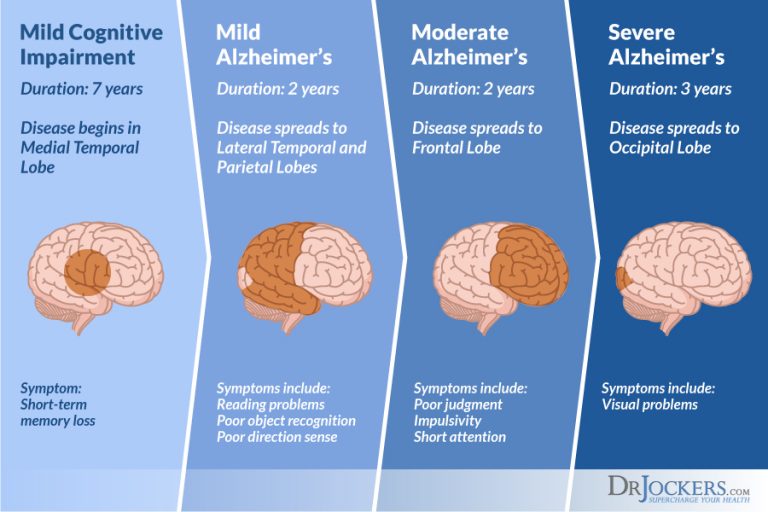
Recent research, including findings published in the journal Nature Aging, suggests that the physiological changes associated with Alzheimer’s—such as the accumulation of amyloid-beta plaques and tau proteins—may begin as early as 20 years before the onset of clinical symptoms. By identifying these biomarkers through PET scans or cerebrospinal fluid analysis, researchers hope to initiate treatments like the Brainshuttle-enabled antibodies long before significant neuronal loss occurs.
The Role of Brainshuttle Technology in Neuropharmacology
The core challenge for any Alzheimer’s therapy is the efficacy of drug delivery. Roche’s Brainshuttle technology is engineered to bypass this limitation.
This technology is currently being evaluated in human trials to determine both its safety profile and its ability to achieve therapeutic concentrations in the brain.
Addressing Evolving Diagnostic Standards
The definition of Alzheimer’s disease is itself undergoing a transition. This "biomarker-based" definition allows for a diagnosis of Alzheimer’s disease even in cognitively normal individuals, provided they show evidence of amyloid and tau pathology.
This diagnostic evolution is critical for the success of preventative therapies. If clinicians can identify at-risk patients before they exhibit symptoms, the administration of disease-modifying drugs like those being tested by Roche may be able to delay or even prevent the onset of dementia.
Future Checkpoints and Clinical Outlook
The clinical development of Brainshuttle-based therapies is an ongoing process.
For patients and families, these developments represent a significant, albeit early, step toward a future where Alzheimer’s can be managed as a chronic, treatable condition. While a cure remains elusive, the ability to intervene at the molecular level before the brain sustains irreversible damage is the current priority for global medical research. I encourage readers to consult their primary care physicians or neurologists regarding the latest information on clinical trials and to monitor official resources for updates on emerging therapies.
We welcome your questions and perspectives on the evolving landscape of Alzheimer’s research. Please share your thoughts in the comments section below.
Related reading