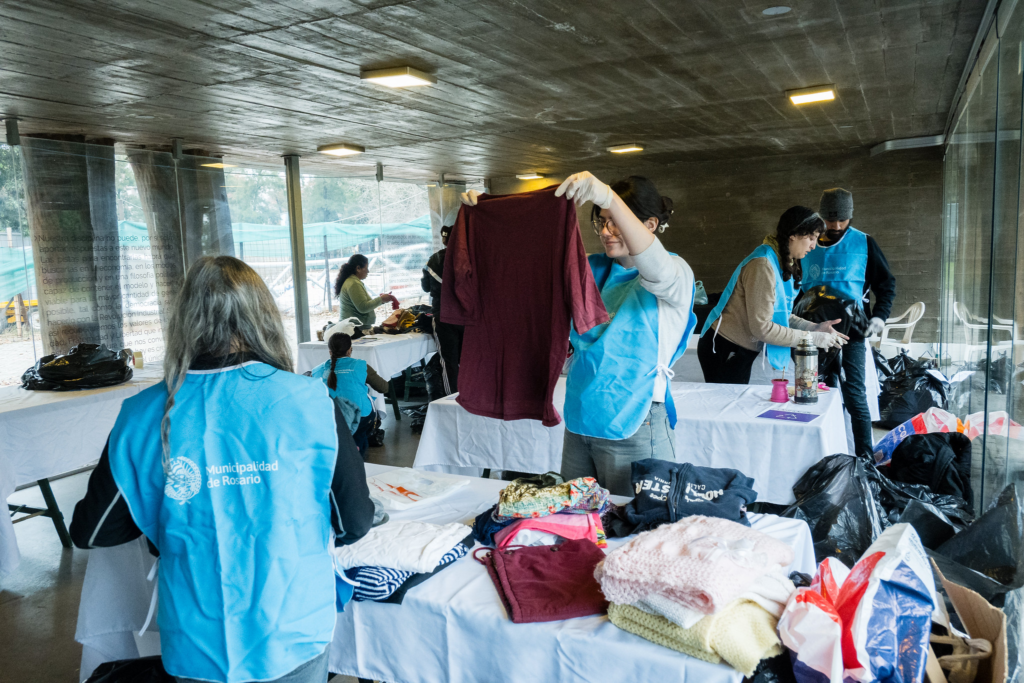
The “Si no lo usás, donalo” (If you don’t use it, donate it) initiative has launched a new campaign aimed at collecting gently used clothing, footwear, and textiles to support community needs. This circular economy project, which emphasizes the extension of product lifecycles, is currently seeking 100 volunteers to assist with the logistics of sorting, repairing, and preparing donated items for distribution. The initiative serves as a localized effort to address textile waste while providing essential resources to vulnerable populations.
By encouraging residents to clear out unused items, the campaign addresses both environmental concerns—specifically the impact of textile disposal in landfills—and social welfare requirements. Organizers are coordinating the collection process to ensure that donated materials meet quality standards, which is why the recruitment of volunteers for the sorting and repair phase is a critical component of the current phase of the program.
The Role of Community Volunteers in Textile Management
The success of large-scale textile donation drives relies heavily on the labor-intensive process of quality control. Volunteers involved in this initiative are tasked with several essential functions: inspecting items for wear and tear, performing basic repairs to ensure usability, and categorizing garments by size and type. According to waste management guidelines provided by the United States Environmental Protection Agency (EPA) regarding textile recycling, organized sorting is the most effective way to keep clothing out of the waste stream and ensure it reaches those who need it most.
For those interested in participating, the volunteer roles are structured to accommodate different skill levels, ranging from basic administrative sorting to more specialized garment repair. This hands-on approach not only reduces the volume of waste generated by households but also fosters a sense of collective responsibility for local resource management. The initiative underscores a broader global shift toward sustainable consumption, where the focus moves from purchasing new goods to maximizing the utility of existing inventory.
Environmental and Social Impact of Clothing Donations
The environmental stakes of textile waste are significant. Recent data from the European Parliament indicates that textile production and disposal contribute heavily to water pollution and greenhouse gas emissions. By participating in local drives like “Si no lo usás, donalo,” individuals directly influence the reduction of their personal carbon footprint. When clothing is donated rather than discarded, it displaces the demand for new production, which is one of the most resource-intensive industrial processes globally.
From a social perspective, these initiatives provide a vital link between surplus household goods and individuals facing economic hardship. The repair aspect of the project is particularly noteworthy; it treats donated items as valuable assets rather than disposable commodities. By restoring textiles to a functional state, the project ensures that the dignity of the recipient is maintained, providing clothing that is clean, repaired, and ready for immediate use.
How to Participate in the Current Drive
For those looking to donate, organizers generally request that items be clean, dry, and in good condition. Footwear should be paired, and textiles such as blankets or linens are often accepted depending on the specific capacity of the collection centers. Prospective volunteers should contact local municipal or NGO offices that are facilitating the drive to confirm the designated drop-off locations and the specific hours for volunteer shifts.
The current call for 100 volunteers is indicative of the scale of the operation. Organizations managing such drives often coordinate with local social services to distribute the processed items efficiently. As the initiative progresses, updates regarding collection progress, the total volume of textiles processed, and the impact on local community support networks will be released through official channels. Residents are encouraged to monitor local municipal websites or official community social media portals for the most recent updates on donation deadlines and volunteer registration forms.
The next official update regarding the campaign’s progress is expected following the conclusion of the current collection phase. We encourage readers to share their experiences with local donation programs in the comments section below to help foster greater community engagement.
Worth a look