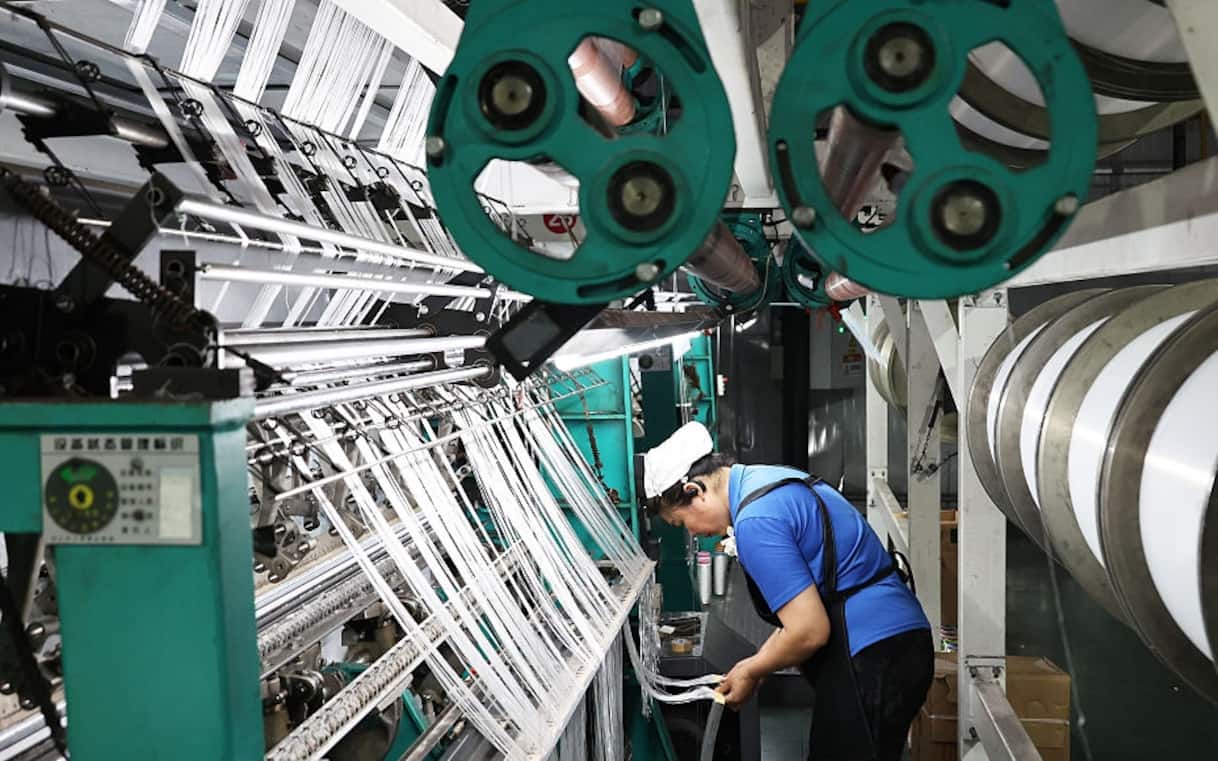
China’s economy is currently navigating a complex period of divergence, characterized by robust export growth contrasted against persistent domestic demand challenges and deflationary pressures. While the country’s manufacturing sector continues to fuel international trade, internal economic indicators—including real estate instability and cautious consumer spending—suggest that the broader recovery remains uneven, according to recent data from the National Bureau of Statistics (NBS).
The Export Engine and Manufacturing Output
In recent months, China has maintained a strong position in global trade, largely driven by a surge in manufacturing output and aggressive pricing strategies. According to official customs data, the country’s export growth has been a primary pillar of its economic performance throughout 2024. This trend is largely attributed to the “new three” sectors: electric vehicles, lithium-ion batteries, and solar energy products, which have seen significant demand in international markets, as reported by the Reuters news agency.

However, this reliance on exports has invited scrutiny from international trading partners. Both the European Union and the United States have raised concerns regarding industrial overcapacity, leading to the imposition of tariffs on Chinese-made electric vehicles. These trade barriers represent a potential headwind for China’s export-led growth model, as the government attempts to rebalance its economy toward higher-value manufacturing, according to analysis from the Financial Times.
Domestic Stagnation and Deflationary Risks
While factories are busy, the domestic Chinese economy faces a different reality. Consumer confidence remains suppressed, influenced by a prolonged downturn in the property sector, which traditionally accounted for approximately one-quarter of China’s GDP, as noted by the International Monetary Fund (IMF). The lack of robust household spending has contributed to persistent deflationary pressure, making it difficult for the government to reach its official annual growth targets.
The People’s Bank of China (PBOC) has responded to these pressures by implementing various monetary easing measures, including adjustments to reserve requirement ratios and interest rate cuts aimed at lowering borrowing costs for businesses and households. Despite these efforts, analysts observe that the transmission of monetary policy into the real economy remains hampered by low credit demand, as documented by Bloomberg Economics.
Strategic Shifts and Future Economic Policy
The Chinese government has signaled a commitment to “high-quality development,” a strategy that prioritizes technological innovation over debt-fueled infrastructure investment. This transition involves significant structural changes, including the phasing out of inefficient state-owned enterprises and a push toward advanced automation. However, the short-term impact of these reforms has been a slower rate of expansion compared to the double-digit growth rates of previous decades.

Looking ahead, the focus of the central government remains on stabilizing the housing market while preventing a further cooling of consumer demand. The next major checkpoint for assessing these economic shifts will be the quarterly release of GDP figures and the subsequent Central Economic Work Conference, where leadership typically outlines fiscal priorities for the coming year. Stakeholders are closely monitoring these official updates for any signs of direct fiscal stimulus or significant policy pivots aimed at boosting domestic consumption.
We welcome your insights on the evolving global trade landscape and China’s domestic economic trajectory. Please share your thoughts in the comments section below.