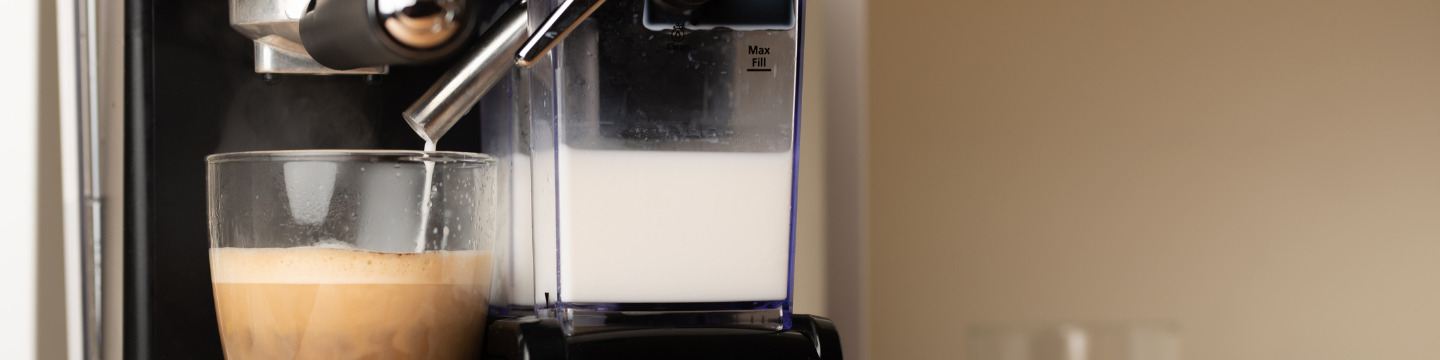
De’Longhi Group is accelerating its digital transformation by integrating data hubs and expanding its direct-to-consumer sales channels, including the launch of TikTok Shops, to support a record pipeline of new product releases. According to company statements, the Italian appliance manufacturer is shifting toward a data-driven ecosystem to better track consumer behavior and optimize its global distribution network.
The move marks a strategic pivot for the company as it seeks to modernize its relationship with a younger demographic. By leveraging social commerce and centralized data management, De’Longhi aims to reduce the friction between product discovery on social media and the final purchase, while gaining more granular insights into how its coffee machines and kitchen appliances are used in real-time.
This digital push coincides with an aggressive product development cycle. The company is currently managing one of its most extensive launch pipelines to date, focusing on high-end automation and sustainable technology in its espresso and climate control categories. The integration of these new products into a digital-first sales strategy is designed to maximize initial market penetration and shorten the feedback loop between customers and engineers.
Integration of Data Hubs and Social Commerce
Central to De’Longhi’s new strategy is the implementation of a centralized data hub. According to the company, this infrastructure allows for the aggregation of disparate data points from various global markets into a single source of truth. This allows the brand to move away from fragmented regional reporting and toward a unified view of the customer journey.
The adoption of TikTok Shops represents a specific effort to capture the “discovery-to-purchase” pipeline. By allowing users to buy products directly within the TikTok interface, De’Longhi is targeting Gen Z and Millennial consumers who prefer seamless, integrated shopping experiences over traditional e-commerce redirects. This approach is part of a broader trend in social commerce, where brands treat social platforms as storefronts rather than just advertising galleries.
The company’s focus on digital acceleration is not limited to sales. De’Longhi is investing in the “digitization” of the product experience itself, incorporating more connected features and app-based controls that feed usage data back into the corporate hub. This creates a circular flow of information: data informs product design, which is marketed via social commerce, and the resulting usage data further refines the next iteration of the product.
Product Pipeline and Innovation Focus
De’Longhi is currently executing a record number of product launches, prioritizing the “premiumization” of its portfolio. The company is focusing heavily on the bean-to-cup segment, where it seeks to maintain its leadership in the global espresso market. According to De’Longhi’s official corporate site, the brand emphasizes a blend of Italian design and technological innovation to differentiate its offerings from lower-cost competitors.

The innovation pipeline is characterized by three primary pillars: automation, sustainability, and connectivity. Automation focuses on reducing the manual effort required for coffee preparation and machine maintenance. Sustainability efforts involve the use of recyclable materials and energy-efficient heating elements to meet tightening European Union environmental regulations.
Connectivity is where the digital hub and product pipeline intersect. New models are increasingly designed to integrate with mobile ecosystems, allowing users to customize beverage profiles and receive maintenance alerts. This connectivity transforms a physical appliance into a digital touchpoint, providing the company with verified data on how often specific features are used, which in turn dictates future R&D priorities.
Market Implications and Strategic Shift
The transition toward a digital-centric model is a response to the changing landscape of consumer electronics. Traditional retail partnerships remain vital, but the rise of “Direct-to-Consumer” (DTC) models allows De’Longhi to capture higher margins and, more importantly, own the customer data. In the past, third-party retailers held the primary relationship with the buyer; with TikTok Shops and official webstores, De’Longhi owns that relationship.

This shift also mitigates the risks associated with market volatility. By having a direct line to the consumer through digital hubs, the company can pivot its marketing messages or adjust pricing in real-time based on live data rather than waiting for quarterly reports from distributors. This agility is critical as the company competes with other high-end appliance brands and emerging tech-driven startups in the coffee space.
Furthermore, the use of a data hub allows De’Longhi to implement more precise “hyper-localization.” Instead of a one-size-fits-all global strategy, the company can analyze regional data to determine which product features are most valued in North America versus Asia or Europe, tailoring its product pipeline to meet specific cultural preferences in coffee consumption.
Future Milestones and Digital Roadmap
The next phase of De’Longhi’s digital roadmap involves the deeper integration of AI-driven personalization. While the current data hubs focus on aggregation and reporting, the company is moving toward predictive analytics—using data to anticipate when a customer might need a replacement part or a new accessory, and delivering that offer via the social commerce channels they already frequent.

The company is expected to provide further updates on the performance of its social commerce initiatives and the rollout of its new product lines during its upcoming financial reporting cycles. These updates will likely detail the conversion rates from TikTok and the impact of the data hub on operational efficiency.
Readers interested in the latest product releases or digital services can monitor the official De’Longhi newsroom for formal announcements regarding new model availability and app updates.
Do you think social commerce will replace traditional electronics retail, or is it just a marketing tool? Share your thoughts in the comments below.
Keep reading