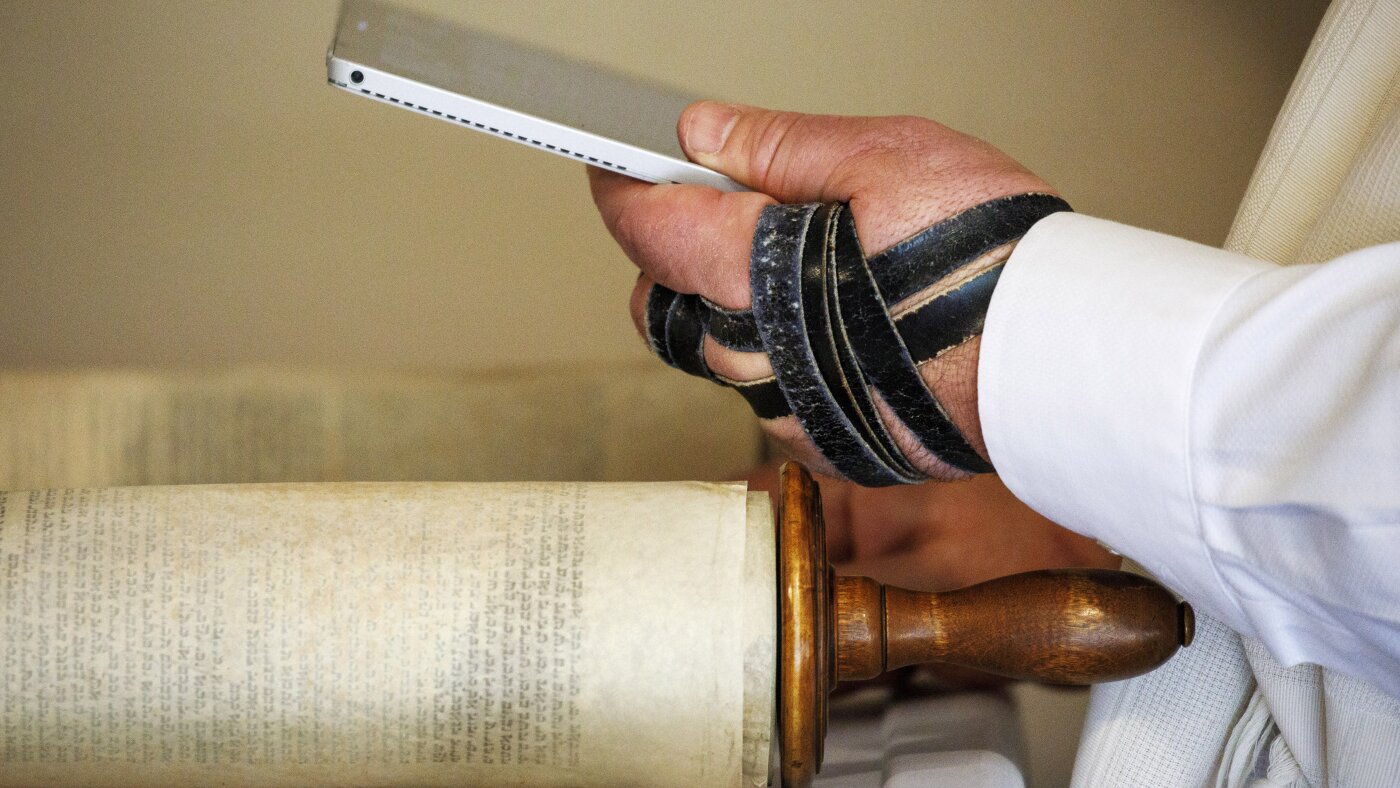
Orthodox Jewish communities are opposing permanent daylight saving time because it would push the time of sunset later, potentially conflicting with the religious requirement to finish the Sabbath before the stars appear. According to reports from NPR, this shift would create a conflict between civil time and the astronomical timing of the Shabbat, which governs when observant Jews must cease work and begin their day of rest.
The debate centers on the Sunshine Protection Act, a bill that seeks to make daylight saving time permanent in the United States. While the measure aims to eliminate the biannual clock change, it creates a discrepancy for those whose religious observances are tied to the actual position of the sun rather than a man-made clock.
For Orthodox Jews, the timing of the Sabbath (Shabbat) is determined by the lunar and solar cycles. The Sabbath begins shortly before sunset on Friday and ends when three medium-sized stars become visible on Saturday night. Because permanent daylight saving time shifts the clock forward, the “clock time” of sunset occurs later.
The Conflict Between Civil Clocks and Halakhic Law
Religious law, or Halakha, does not recognize civil time zones or daylight saving adjustments. According to the guidelines followed by Orthodox communities, the start of the Sabbath is an astronomical event. When the civil clock is shifted forward permanently, the gap between the clock time and the actual sunset widens.
Opponents of the bill argue that permanent daylight saving time would force a choice between adhering to the civil schedule and fulfilling religious obligations.
Health and Safety Concerns Over Permanent DST
The opposition to permanent daylight saving time extends beyond religious concerns to include public health and safety. The Washington Post has reported that standard time is generally better for human health because it aligns more closely with the natural circadian rhythm.
NBC News notes that the U.S. tried permanent daylight saving time in the 1970s during the energy crisis, but the experiment was widely disliked and eventually overturned because of the lack of morning light during winter.
Airlines have also raised operational concerns. According to CBS News, the aviation industry warns that adjusting all global flight schedules to a permanent shift could take up to two years to fully implement and could cause significant scheduling conflicts across different international time zones.
Comparison of Permanent Daylight Saving vs. Permanent Standard Time
The legislative debate often pits permanent daylight saving time (DST) against permanent standard time (PST). The following table outlines the primary arguments for and against these two options based on reported stakeholder concerns:
| Factor | Permanent Daylight Saving (DST) | Permanent Standard Time (PST) |
|---|---|---|
| Morning Light | Later sunrises; darker mornings in winter. | Earlier sunrises; safer morning commutes. |
| Evening Light | More sunlight in the evening. | Earlier sunsets; darker evenings. |
| Health Impact | Potential circadian rhythm disruption. | Better alignment with biological clocks. |
| Religious Impact | Later “clock” sunset; disrupts Shabbat timing. | More consistent alignment with solar events. |
| Industry View | Airlines warn of long-term transition issues. | Generally preferred by health experts. |
Regional Impacts and the Sunshine Protection Act
The impact of the Sunshine Protection Act would vary significantly by state. According to analysis from The Hill, states in the north would experience much darker mornings in the winter if daylight saving time became permanent.
This geographical reality reinforces the concerns of the Orthodox Jewish community. Since their religious deadlines are tied to the actual sunset, the “artificial” time created by permanent DST does not provide more light for religious activities; it only changes the number on the clock, creating a disconnect between the community’s lived experience of the day and the official time used by government and business entities.
Next Steps for the Legislation
While the bill has seen support for ending the “spring forward, fall back” cycle, the specific choice of which time to make permanent remains the primary point of contention.
We invite our readers to share their perspectives on the daylight saving debate in the comments below. Please share this report to help others understand the complexities of time legislation.
Worth a look