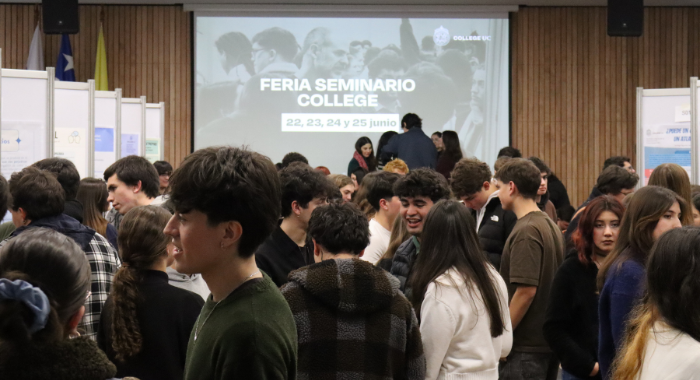
The Pontificia Universidad Católica de Chile (UC) has integrated the “Seminario College” into its undergraduate curriculum, a specialized program designed to introduce first-year students to academic research through immersive, interdisciplinary methodologies. By moving away from traditional lecture-based instruction, the initiative seeks to bridge the gap between secondary education and advanced university-level inquiry, allowing students to engage with complex problems from their inaugural year.
According to the official program documentation from the UC College, the structure of the seminar emphasizes experiential learning. Students are tasked with navigating multifaceted projects that require the application of tools from various disciplines, a departure from the siloed approach often found in early undergraduate studies. This model aligns with broader institutional efforts to foster critical thinking and intellectual autonomy among students entering the university’s diverse degree programs.
Research Methodology and Interdisciplinary Approach
The core of Seminario College relies on what educators describe as an “inquiry-based” framework. Instead of passively receiving information, students participate in the construction of knowledge, identifying research questions and testing hypotheses under the guidance of faculty mentors. This approach is intended to prepare students for the demands of specialized degrees, ensuring they possess the foundational skills necessary for thesis work and original scientific or humanistic research.

The interdisciplinary nature of these projects is a defining characteristic of the program. By bringing together students from disparate fields—ranging from the social sciences to the natural sciences—the university aims to replicate the collaborative environments found in modern professional research. This cross-pollination of ideas is supported by a curriculum that prioritizes soft skills, such as collaborative communication and the synthesis of diverse data sets, as noted in the institutional overview provided by Pontificia Universidad Católica de Chile.
Student Impact and Academic Integration
For students, the transition to university life often involves significant challenges related to academic expectations. The Seminario College serves as a buffer, providing a structured yet challenging environment where students can test their academic interests. By engaging in research early, students often gain a clearer understanding of their chosen majors, which can lead to higher retention rates and more informed decisions regarding their long-term academic pathways.
The program also addresses the need for practical application in higher education. As the academic landscape shifts toward more flexible and interdisciplinary models, the ability to conduct independent research has become a high-value competency. The UC College, established to provide a more modular and adaptable educational experience, utilizes this seminar as a cornerstone for its pedagogical strategy, as detailed in the admissions and academic program descriptions hosted on the UC portal.
Institutional Context and Future Development
The implementation of Seminario College is part of a larger trend within elite research universities to democratize research access for undergraduates. By formalizing this process at the first-year level, the university ensures that research is not viewed as an activity reserved solely for senior students or graduate scholars. This early exposure is intended to cultivate a research-oriented mindset that persists throughout the duration of the student’s degree.
The success of the program is measured not only by the quality of the projects produced but also by the students’ ability to transition effectively into their subsequent years of study. As the institution continues to evaluate the effectiveness of these immersive methodologies, the program remains a focal point for pedagogical innovation within the university. Updates regarding curriculum changes or new research modules are typically released through the official news portal of the Pontificia Universidad Católica de Chile, where faculty and students can monitor upcoming enrollment periods and project guidelines.
The next cycle for incoming students will be coordinated through the university’s standard academic calendar, with orientation sessions generally held prior to the commencement of the first semester. Prospective students and current participants are encouraged to consult their departmental advisors for specific project timelines and institutional requirements.
Do you have experience with undergraduate research programs, or are you interested in how interdisciplinary studies are shaping modern education? Share your thoughts in the comments below.
Worth a look