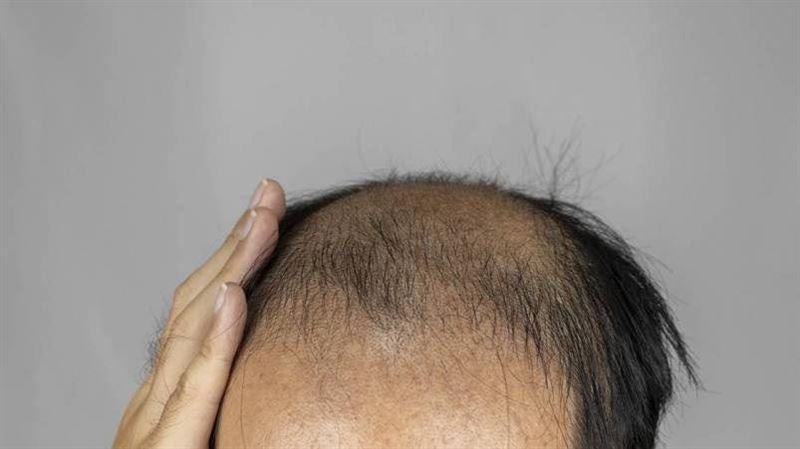
Research published in the Annals of Oncology suggests that men who experience male-pattern baldness before the age of 30 may have a significantly lower risk of developing prostate cancer later in life. The study, which observed over 39,000 men, identified a potential correlation between early-onset androgenetic alopecia and a reduced susceptibility to the disease, sparking further investigation into the hormonal mechanisms that link hair loss and oncological outcomes. According to the findings published by the European Society for Medical Oncology, men who reported losing hair at age 20 showed a 29% to 30% lower risk of prostate cancer compared to those with no hair loss.
As a physician, I frequently address questions regarding the intersection of genetics and long-term health risks. While the findings regarding male-pattern baldness are statistically significant, it is important to understand the biological context. Prostate cancer is a complex, multifactorial condition influenced by age, ethnicity, and family history. While this specific study highlights an inverse relationship between early hair loss and prostate cancer risk, it does not suggest that baldness acts as a protective shield, but rather that it may serve as a clinical marker for underlying hormonal patterns that influence both conditions.
Understanding the Hormonal Link
The biological connection between hair loss and prostate health often centers on androgens, specifically dihydrotestosterone (DHT). DHT is a potent derivative of testosterone and is a primary driver of androgenetic alopecia, as it causes hair follicles to shrink over time. Because the prostate gland is also dependent on androgens for its growth and function, researchers have long hypothesized that the way a man’s body processes these hormones could influence his risk profile for both hair loss and prostate-related malignancies. The National Cancer Institute notes that while hormone levels are a critical area of study, the interplay between circulating androgens and tissue-specific receptor sensitivity remains a subject of ongoing clinical research.
The study participants, tracked over several years, provided researchers with detailed self-reported data regarding the timing and pattern of their hair loss. The researchers categorized hair loss patterns to distinguish between vertex balding (crown thinning) and frontal recession. The observed risk reduction was most pronounced in the group that reported the earliest onset of hair loss. This suggests that the timing of androgen exposure may play a larger role in determining future health outcomes than the severity of the hair loss itself.
Contextualizing Prostate Cancer Risk Factors
While the prospect of a “benefit” associated with early hair loss may be interesting, clinicians emphasize that it should not distract from established preventative care. Prostate cancer remains one of the most common cancers among men globally. The World Health Organization (WHO) identifies age, family history, and lifestyle factors as the primary determinants for prostate cancer risk. Relying on external physical markers like hair patterns is not a substitute for regular screenings, such as the Prostate-Specific Antigen (PSA) test or digital rectal examinations, particularly for men over the age of 50 or those with a high-risk family history.
It is also vital to note that not all studies have reached identical conclusions. While the Annals of Oncology data provides a compelling link, other epidemiological studies have yielded mixed results regarding the correlation between baldness and cancer risk. This variability is common in retrospective studies, as factors such as recall bias—where participants may inaccurately remember the exact age their hair thinning began—can influence the strength of the statistical findings.
Clinical Implications and What Comes Next
For patients, these findings highlight the importance of understanding one’s own health trajectory. If you are concerned about your prostate health, the most effective step is to discuss your specific risk factors with a primary care physician or a urologist. Genetic markers and personal health history are far more reliable indicators than physical characteristics. Moving forward, the scientific community continues to study the role of androgen receptors in various tissues to better understand why certain individuals are more prone to specific conditions.
Future research is expected to focus on identifying the specific genetic variations that govern both follicular response to DHT and prostate cell proliferation. By isolating these markers, researchers hope to develop more precise risk-assessment tools for patients. For now, the medical consensus remains that prostate cancer screening should be based on established clinical guidelines rather than the presence or absence of hair. To stay informed on the latest updates in prostate health and screening recommendations, patients are encouraged to consult official resources from national health departments or professional urological associations.
If you have questions about your personal health, please consult your physician. We invite our readers to share their thoughts on medical research trends in the comments section below.
Worth a look