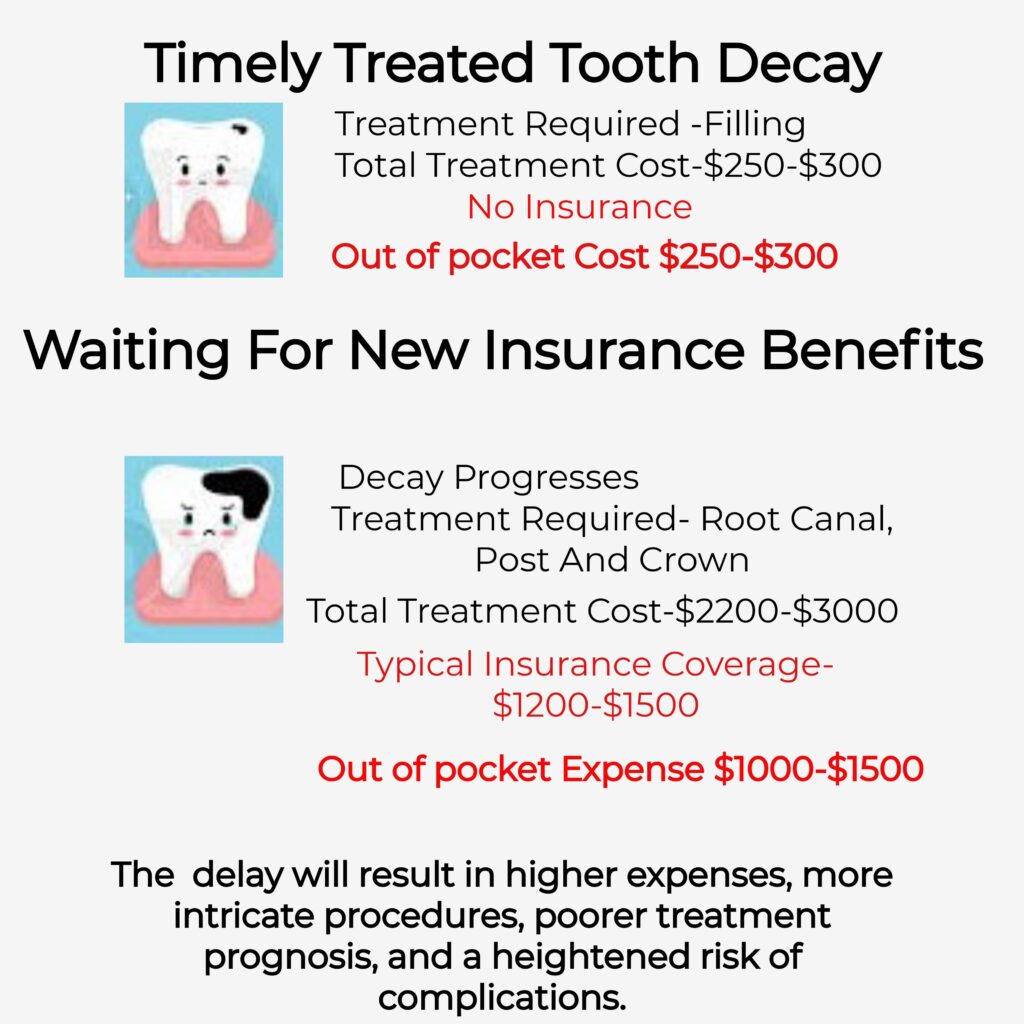
Patients encountering unexpected billing surges after choosing to delay or avoid dental procedures often find themselves facing complex financial discrepancies. When a patient decides against a recommended treatment plan—or seeks a second opinion—and later returns to the same provider for care, they may be subject to updated pricing structures, revised diagnostic assessments, or changes in insurance coverage eligibility. Understanding the mechanics of dental billing is essential for patients to avoid significant out-of-pocket costs.
As a physician, I frequently emphasize that transparency in healthcare costs is a fundamental right of the patient. In the dental sector, billing practices are governed by a combination of clinical necessity, office policy, and the specific terms of a patient’s insurance contract. When a treatment plan is presented, it typically carries an expiration date or remains subject to the current fee schedule of the practice at the time of service, rather than the date of the initial consultation.
Understanding Dental Fee Schedules and Estimates
The primary reason for a price increase between visits is the shift in a practice’s fee schedule. Dental offices often adjust their rates annually to account for inflation, rising overhead costs, and changes in the market value of materials. According to the American Dental Association (ADA), a treatment estimate provided during an initial exam is exactly that—an estimate. It is not a fixed contract for future services.
If a patient defers a procedure, the initial treatment plan may become obsolete. Dental health is dynamic; a condition that requires a simple filling today may progress to require a root canal or crown if left untreated for several months. When the patient returns, the dentist must perform a new clinical evaluation. If the diagnosis has changed, the complexity of the procedure increases, leading to a higher bill. This is not necessarily a punitive measure, but a reflection of the clinical reality of the patient’s oral health at the time of the second appointment.
Insurance Limitations and Coverage Gaps
Insurance benefits are another critical factor in unexpected billing. Most dental insurance plans operate on a calendar year basis with specific annual maximums. If a patient waits until the end of a benefit year or rolls over into a new one, the coverage parameters may have shifted. The U.S. Department of Health and Human Services notes that annual limits and deductibles are common constraints that can significantly alter the final out-of-pocket cost for the consumer.
Furthermore, insurance companies frequently update their “allowable charges” or the list of procedures they cover. A procedure that was deemed “medically necessary” and fully covered during an initial consultation might be reclassified or restricted under a revised plan policy by the time the patient returns for treatment. Patients are advised to request a pre-determination of benefits from their insurer before undergoing any major dental work to confirm current coverage levels.
Steps to Protect Against Billing Surprises
To mitigate the risk of financial shock, patients should adopt a proactive approach to dental management. Clear communication is the most effective tool for preventing misunderstandings regarding costs.
- Request a Written Treatment Plan: Always ask for a detailed, itemized treatment plan that includes the expiration date of the pricing.
- Verify Coverage Before Every Procedure: Do not assume that the insurance coverage quoted six months ago remains valid today. Contact your insurance provider to confirm current eligibility.
- Seek Clarification on Changes: If the price has increased significantly, ask the office manager for a breakdown of the changes. Is it a fee increase, or has the clinical diagnosis changed?
- Understand the “Why”: If a procedure has become more complex, ask the dentist to explain the progression of the condition.
When discrepancies arise that cannot be resolved through direct conversation with the provider, patients may consult their state’s dental board or the ADA’s legal and regulatory resources for guidance on standard billing practices. Maintaining open communication with your dental care team ensures that both clinical needs and financial expectations are aligned before you sit in the chair.
The next time you are presented with a treatment plan, ensure you have received a clear explanation of how long the quote is valid and what variables—such as insurance updates or changes in your oral health status—could impact the final cost. Staying informed is the best way to maintain both your health and your budget.
- UK Wastes £10 Billion During Pandemic: Government Review Reveals Massive Spending Failures
- HaloMD Wins Third Legal Victory in No Surprises Act Lawsuits
- New York Times Curated Articles Coming to Print Editions in September (world-today-news.com)
- Why Thunder Sometimes Cracks and Other Times Just Rumbles (daybreakwire.com)