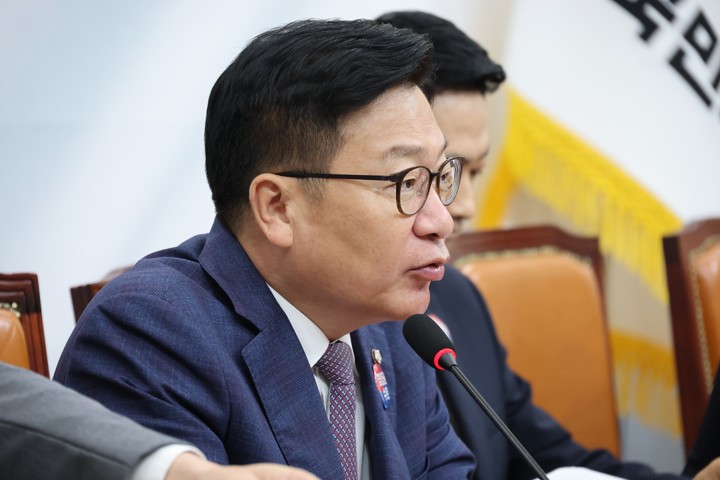
Jung Jeom-sik has publicly challenged President Lee, demanding a clear stance on the legal status of supplementary investigation rights. The call comes amidst an intensifying political debate regarding the scope of prosecution and police powers in criminal investigations, as lawmakers from both the ruling and opposition parties grapple with the potential impacts of legislative reform on judicial efficacy.
The Debate Over Supplementary Investigation Authority
The legislative tension centers on whether to maintain or eliminate the supplementary investigation rights currently held by prosecutors. Proponents of retaining these powers, including members of the People Power Party, argue that the authority is essential to prevent incomplete or substandard investigations by law enforcement. According to reporting from KBS News, lawmaker Kwak Kyu-taek has argued that maintaining supplementary investigative capacity is a necessary safeguard against the potential for administrative oversight in criminal justice.

Conversely, the debate has seen shifting positions within the Democratic Party. While some party members have historically pushed for the total elimination of these powers, recent internal discussions suggest that a consensus has not been reached. As noted in coverage by YTN, the Democratic Party has clarified that the “complete abolition” of these rights is not currently an official party platform, despite ongoing pressure from political rivals to clarify their long-term legislative strategy.
Legislative Proposals and Institutional Concerns
The discourse is further complicated by specific legal initiatives. Representative Kwak Kyu-taek has introduced a package of bills, often referred to as the “three laws for the protection of crime victims.” These proposals seek to balance institutional powers by advocating for the retention of supplementary investigation rights while simultaneously calling for the removal of the prosecutor’s right to cancel indictments. This approach aims to address public concerns regarding the fairness and transparency of the judicial process.
The urgency of this debate is underscored by historical precedents. Concerns have been raised by figures such as Woo Sang-ho, who emphasized the potential risks of legislative missteps. According to reports from Kyunghyang Shinmun, Woo expressed skepticism regarding the total abolition of supplementary investigation rights, warning that political entities could face significant repercussions if future cases result in judicial failures due to inadequate investigative oversight.
Political Standoff and Public Accountability
The confrontation between Jung Jeom-sik and the opposition leadership highlights a broader trend of political polarization surrounding judicial reform. The demand for a “clear position” from the President is framed as a matter of public accountability, as the ultimate decision on these legislative changes will affect the daily operations of law enforcement and the rights of citizens involved in legal proceedings.
As the National Assembly continues to deliberate, the central question remains whether a middle ground can be found to ensure both the efficiency of criminal investigations and the protection of civil liberties. The current legislative environment suggests that the debate will likely persist until a formal consensus is reached on the scope of investigative reforms.
Next Steps in Parliamentary Deliberation
The timeline for these legislative discussions remains tied to the upcoming sessions of the National Assembly’s Legislation and Judiciary Committee. Observers are awaiting further official statements from the Democratic Party leadership to determine if the proposed reforms will be incorporated into the party’s legislative agenda or if the current status quo will persist. Updates regarding the progression of the “crime victim protection” bills and any subsequent committee hearings will be available through the official National Assembly record.
We welcome our readers to share their perspectives on this ongoing judicial debate in the comments section below. Stay tuned for further updates as this legislative matter develops.
Related reading