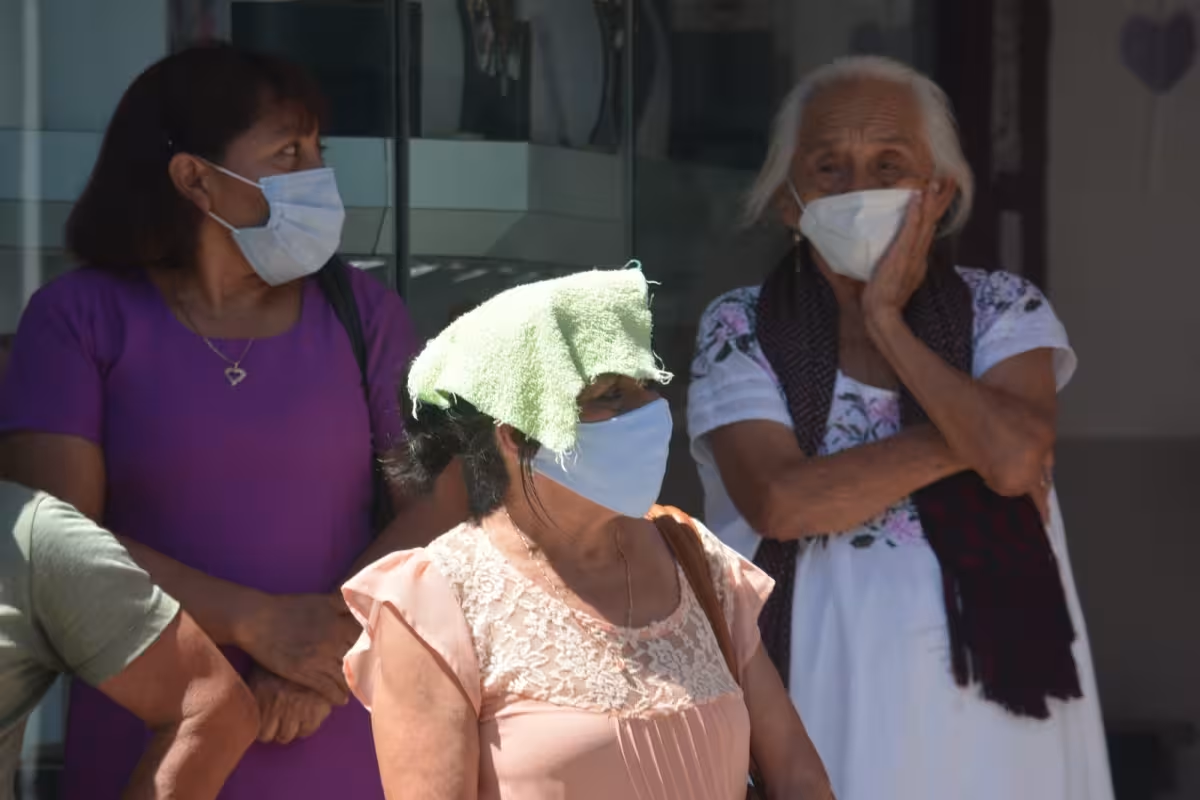
As Saharan dust plumes track across the Caribbean toward the Yucatán Peninsula, residents are seeing increased concentrations of particulate matter in the atmosphere, often coinciding with local humidity and seasonal rainfall. While this natural phenomenon is common during the summer months, meteorological and health authorities advise that the combination of dust and moisture can aggravate respiratory conditions and trigger allergic reactions in sensitive populations.
According to the Secretaría de Salud de México, poor air quality resulting from these dust events is typically measured through the concentration of PM2.5 and PM10 particles. When these microscopic particles remain suspended in the air, they can penetrate deep into the respiratory system, posing a risk to individuals with underlying health issues such as asthma, chronic obstructive pulmonary disease (COPD), or seasonal allergies.
Understanding the Impact of Saharan Dust on Health
The Saharan Air Layer (SAL) is a mass of very dry, dusty air that forms over the Sahara Desert and moves across the Atlantic Ocean. When it reaches the Yucatán, the primary concern is not just the visibility reduction, but the chemical and biological composition of the dust. Dr. Helena Fischer, Editor of Health at World Today Journal, notes that the interaction between desert minerals and local humidity creates a specific challenge for public health.
When high humidity levels combine with dust, the particles can become trapped in the lower atmosphere rather than dispersing. This creates an environment where allergens—such as pollen and mold spores—are held at breathing level for longer periods. The Pan American Health Organization emphasizes that individuals with pre-existing respiratory conditions should monitor local air quality indices (AQI) daily, especially during the peak months of June through August when Saharan dust activity is most prevalent.
Preventative Measures and Safety Recommendations
To mitigate the effects of poor air quality during these events, health authorities in Mexico, including state-level health departments in Yucatán, consistently recommend a series of protective actions. These measures are designed to minimize direct exposure to airborne irritants:
- Limit Outdoor Activity: Stay indoors during periods when air quality monitors indicate high levels of particulate matter, particularly during the early morning or late afternoon.
- Use Protective Barriers: If venturing outside is necessary, wearing a high-efficiency mask, such as an N95 or KN95, can provide a physical barrier against fine dust particles.
- Maintain Indoor Air Quality: Keep windows and doors closed. If possible, use air purifiers equipped with HEPA filters to capture particles that may have entered the home.
- Hydration and Hygiene: Increase fluid intake to keep mucous membranes hydrated and rinse the nose with saline solutions to remove trapped dust particles.
- Consult a Physician: Individuals who experience persistent coughing, wheezing, or difficulty breathing should seek medical attention, as these symptoms may indicate an exacerbation of an underlying condition.
Monitoring Air Quality in Yucatán
Residents are encouraged to rely on official sources for real-time air quality data rather than anecdotal reports. The Sistema Nacional de Información de la Calidad del Aire (SINAICA) provides updated reports on pollutant concentrations across various Mexican states. By checking these official channels, citizens can make informed decisions regarding their daily activities.
The meteorological conditions in the Yucatán Peninsula are dynamic, and air quality can fluctuate rapidly depending on wind patterns and the intensity of tropical waves. As the season progresses, the interaction between Saharan dust and seasonal weather patterns will continue to be a primary focus for regional health surveillance.
For the latest updates on air quality standards and public health advisories, residents should follow the official social media channels of the Secretaría de Salud de Yucatán. If you have experienced health changes during recent dust events, feel free to share your experience in the comments section below or join the conversation on our digital platforms.
Related reading