The European Union has formally requested that the United States grant tariff exemptions on a range of European exports, including wine and cheese, as part of ongoing efforts to stabilize transatlantic trade relations. European Commission officials confirmed the request this week, seeking to mitigate the potential economic impact of proposed U.S. trade policies on key agricultural and specialty sectors.
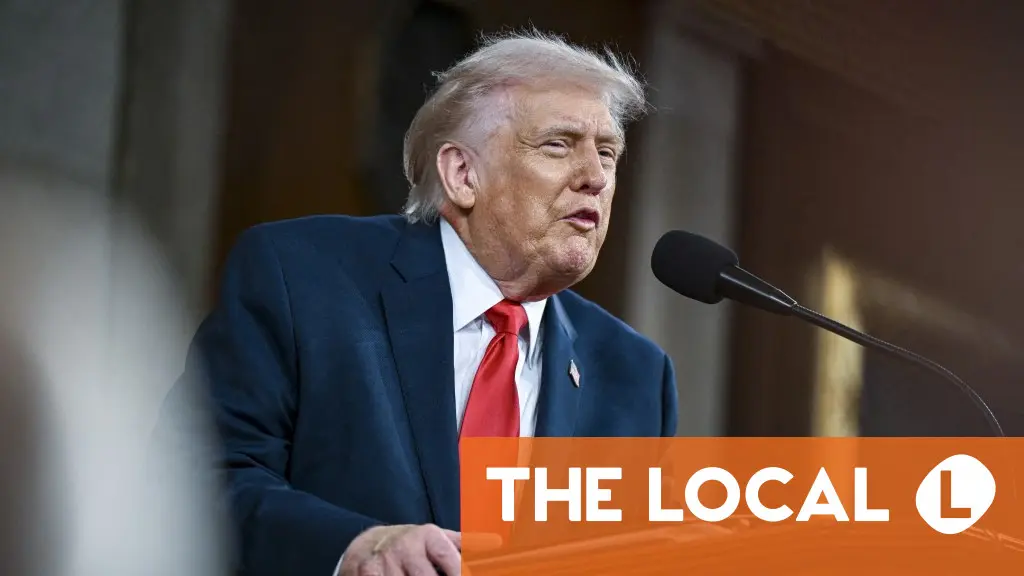
This diplomatic push comes as the EU navigates the uncertainty of potential shifts in U.S. trade policy under the incoming administration of President-elect Donald Trump. The request underscores the vulnerability of the European food and beverage industry, which relies heavily on access to the American market, according to reporting from Reuters. European producers have expressed concern that renewed protectionist measures could lead to retaliatory cycles, similar to the trade tensions observed during the first Trump administration.
The Economic Stakes for European Producers
The agricultural sector is a focal point of these negotiations, as European specialty goods like French wine, Italian cheese, and Spanish olive oil are high-profile targets in trade disputes. According to the European Commission’s trade policy division, the United States remains the largest export destination for EU agri-food products, with trade volume in this sector reaching billions of euros annually. The potential imposition of blanket tariffs, as suggested in various policy proposals by the incoming administration, threatens to increase prices for American consumers while simultaneously squeezing profit margins for small and medium-sized European producers.

Trade analysts note that the EU is attempting a proactive strategy. By engaging the U.S. transition team early, European officials hope to secure “carve-outs” for specific goods that are essential to the cultural and economic identity of member states. This approach is designed to prevent the broad-spectrum tariffs that characterized the 2018-2021 trade friction, which saw the U.S. impose duties on various European goods in response to long-standing disputes over aerospace subsidies, specifically the Airbus-Boeing dispute adjudicated by the World Trade Organization.
Transatlantic Diplomacy During the Transition
The request for exemptions is part of a broader, cautious diplomatic outreach from Brussels to Washington. Following the U.S. election results, European Commission President Ursula von der Leyen and other senior leaders have emphasized the need to maintain a “mutually beneficial” trade relationship. The strategy involves highlighting the importance of the U.S.-EU economic partnership, which remains one of the largest in the world, accounting for nearly one-third of global GDP, according to data from the U.S. Bureau of Economic Analysis.
The push for tariff relief is not limited to food and wine; officials are reportedly assessing the vulnerability of other industrial sectors that could be impacted by the “universal baseline tariff” discussed by the President-elect during his campaign. The EU’s current stance is that targeted exemptions will prevent unnecessary inflation and supply chain disruptions on both sides of the Atlantic. The European Commission has not yet released a full list of the products included in the latest request, as negotiations remain fluid and largely confidential.
Monitoring the Next Checkpoints
The efficacy of these requests will likely be tested once the new administration takes office in January 2025. The next major checkpoint for these trade discussions will be the formal inauguration of the new U.S. administration, followed by the appointment of the new U.S. Trade Representative, who will be responsible for defining the scope of upcoming tariff policies. European exporters are currently monitoring the U.S. Federal Register for any official announcements regarding new tariff schedules or public comment periods that may follow the transition of power.

For ongoing updates regarding the status of these trade negotiations, stakeholders are encouraged to monitor the European Commission’s official trade portal, which provides documentation on ongoing bilateral and multilateral trade discussions. Readers are invited to share their perspectives on the potential impact of these trade policies in the comments section below.
Related reading