Consumers are increasingly prioritizing household safety and preventative health measures, driving a measurable surge in the demand for infant hygiene products and essential water supplies. Market data indicates that categories such as specialized infant hair care and skin protection have seen growth exceeding 35% in recent periods, reflecting a broader trend of households shifting disposable income toward protective health goods and personal wellness maintenance.
As a physician, I observe this shift as a pragmatic response to contemporary health concerns. When families prioritize items like dermatologically tested infant oils—which have seen documented price-adjusted demand increases—they are often reacting to a need for consistency in home care standards. This trend is not merely about volume; it represents a strategic reallocation of family budgets toward products that promise both hygiene and injury prevention, according to recent retail analysis focused on consumer spending behaviors.
Shifting Consumption Toward Preventive Care
The rise in purchasing activity for infant hygiene products suggests that parents are placing a higher premium on quality and specialized care. Data shows that segments like child-specific oils have experienced significant upward movement, with some metrics indicating growth as high as 57% to 66% when adjusted for currency fluctuations. This shift is consistent with broader retail patterns where “defensive” spending—buying goods that mitigate future health risks or maintenance costs—takes precedence over discretionary luxury items.
From a public health perspective, the increased focus on hygiene is a positive indicator of health literacy. Maintaining proper skin barrier function in infants through consistent use of approved emollients and cleansers is a fundamental component of pediatric dermatology. When retail data confirms that these products are becoming a priority, it suggests that caregivers are effectively utilizing available tools to manage minor dermatological conditions at home, potentially reducing the burden on primary care providers for preventable issues like contact dermatitis or severe dryness.
Water Security and Household Preparedness
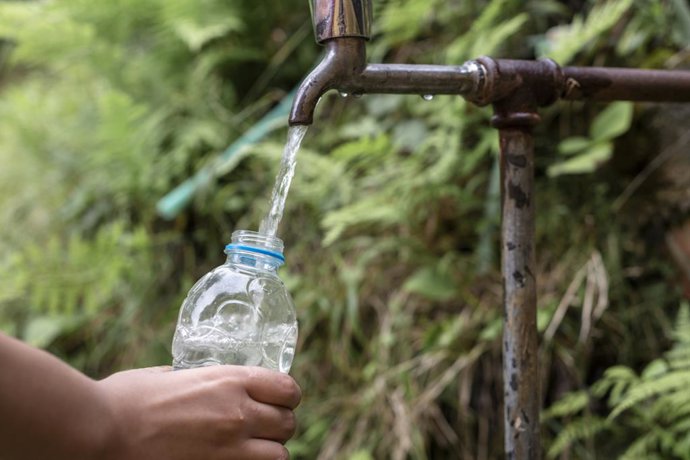
Parallel to the rise in hygiene products, there is a marked increase in the procurement of bottled water and related storage solutions. This behavior is frequently linked to household contingency planning. In many regions, the decision to stockpile water is a direct response to concerns regarding infrastructure reliability or local water quality advisories. According to the World Health Organization, access to safe, clean water is the cornerstone of household health, and consumer behavior often reflects a proactive attempt to secure that access independently when municipal services are perceived as inconsistent.
This trend toward self-reliance is supported by market analysts who track the “resilience economy.” When families invest in long-term water storage or high-grade filtration, they are essentially purchasing insurance against supply disruptions. For urban households, this often manifests as a move toward bulk purchasing of essential supplies, a trend that retailers have addressed by adjusting inventory levels to meet sustained demand for non-perishable hygiene and hydration products.
Economic Indicators and Future Outlook
The sustainability of this spending pattern depends heavily on macroeconomic stability. While the current growth in infant and hygiene product sales is robust, it remains sensitive to inflationary pressures. Retailers are monitoring whether these purchases will continue as essential recurring costs or if they will eventually be impacted by broader shifts in the cost of living. According to the Organization for Economic Co-operation and Development (OECD), household consumption patterns are the primary indicators of a nation’s economic health, and shifts toward essential goods often signal a period of heightened caution among consumers.
Looking ahead, the next checkpoint for these trends will be the quarterly retail earnings reports and national consumer price index (CPI) updates due later this year. These documents will provide the necessary data to determine if the current surge is a temporary reaction to localized events or a permanent change in how families budget for health and safety. For now, the data clearly shows that caregivers are prioritizing the immediate, tangible needs of their households, focusing on prevention as a primary strategy for long-term well-being.
What are your thoughts on how your own household spending has changed regarding health and hygiene? Please feel free to share your experiences or questions in the comments section below, and stay tuned to our health desk for further updates on these evolving consumer trends.
Related reading