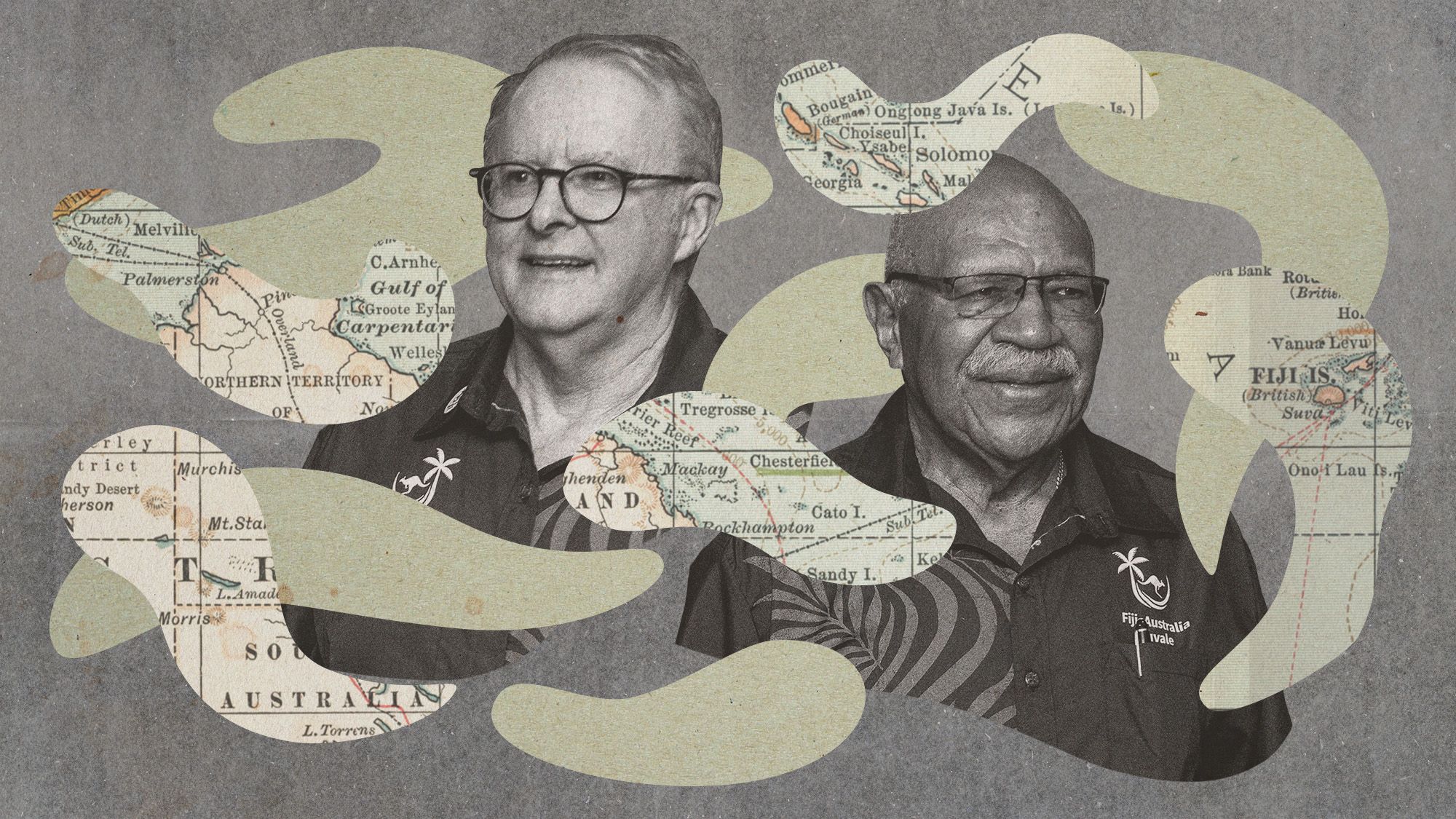
Australia and Fiji have formalized a new Status of Forces Agreement (SOFA), a security pact designed to streamline military cooperation and facilitate joint training exercises between the two nations. The agreement, signed in Suva, represents a significant step in Canberra’s broader strategy to bolster regional security ties across the Pacific in response to shifting geopolitical dynamics, according to the Australian Department of Foreign Affairs and Trade.
The pact provides a legal framework for the deployment of personnel and equipment, effectively easing the bureaucratic hurdles that previously governed bilateral defense interactions. By establishing clear protocols for entry, movement, and jurisdictional authority during joint operations, the treaty allows for more agile responses to humanitarian crises, maritime security challenges, and disaster relief efforts, as outlined in the Australian Department of Defence official documentation regarding regional partnerships.
Strategic Alignment and Regional Security
This agreement is part of a deliberate effort by the Australian government to deepen its security architecture in the Pacific. As noted in the Lowy Institute’s analysis of Pacific security, Canberra is increasingly focused on becoming the “partner of choice” for island nations, offering infrastructure support and security training to stabilize the region. The deal with Fiji follows similar arrangements Australia has pursued with other Pacific partners, reflecting a concerted policy to maintain a stable, rules-based order in the face of intensified regional competition.

For Fiji, the pact serves as a mechanism to enhance the capacity of the Republic of Fiji Military Forces (RFMF). By integrating more closely with Australian defense capabilities, Fiji aims to improve its maritime domain awareness—a critical requirement for patrolling vast exclusive economic zones against illegal, unreported, and unregulated fishing. The collaboration also underscores a mutual commitment to regional humanitarian assistance and disaster relief (HADR), which remains a top priority for Pacific Island nations frequently impacted by climate-related weather events.
Operational Implications of the Status of Forces Agreement
The SOFA provides the necessary legal protections for troops operating on foreign soil, a standard feature of modern defense diplomacy. Under these terms, Australian personnel in Fiji, and vice versa, operate under agreed-upon regulations concerning criminal and civil jurisdiction, customs, and taxation. According to records maintained by the Parliament of Australia, such agreements are essential for the practical execution of training programs, as they provide clarity for commanders and service members alike.

The pact does not signify the establishment of a permanent Australian base in Fiji, but rather a framework for increased rotational access. This distinction is vital in the context of Pacific diplomacy, where sovereign autonomy is a heavily guarded principle. Australia’s approach emphasizes “cooperation and capacity building” rather than projection of force, a nuance that has been central to the diplomatic discourse between the two capitals since the initiation of these talks.
Broader Context of Pacific Diplomacy
The security pact with Fiji is one of several recent developments in Canberra’s “Pacific Step-up” policy. Australia has previously signed comprehensive security agreements with partners including Papua New Guinea and Vanuatu. Each of these treaties is tailored to the specific needs of the host nation, ranging from police training and civil aviation security to advanced military logistical support. The cumulative effect of these treaties is a more interconnected security environment, where Australia acts as a primary hub for coordination.

Regional observers often point to the influence of other global powers in the Pacific as a driver for these new agreements. However, officials in both Canberra and Suva maintain that the focus remains on regional resilience. The partnership is framed as a long-term investment in regional stability, intended to ensure that the Pacific remains free from coercion and that island nations retain the agency to choose their security partners based on shared interests and values.
The next confirmed checkpoint for these initiatives will be the upcoming Pacific Islands Forum (PIF) ministerial meetings, where progress on regional security integration is slated for review. As these agreements move from the signing phase to operational implementation, further details regarding the specific nature of upcoming joint exercises are expected to be published on the official government portals of the respective defense ministries. Readers are encouraged to monitor these official channels for updates on future deployments and policy amendments.
Worth a look
- Sudan’s War Economy: How Gold and Gum Arabic Fuel the Conflict
- Ebola Outbreak: Health Worker Strikes Threaten Containment Efforts as Cases Surge
- India-Australia Strategic Partnership: Shaping Indo-Pacific Security (news-usa.today)
- India-Australia Strategic Alliance: Shaping Indo-Pacific Security (archynewsy.com)