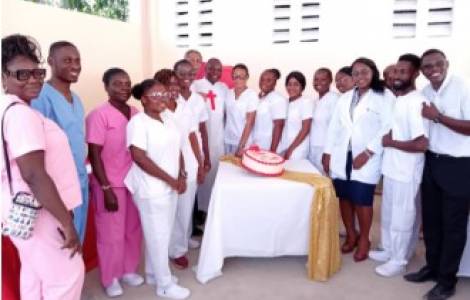
The inauguration of the new Hôpital Saint-Camille in Jérémie, Haiti, marks a significant addition to the healthcare infrastructure in the Grand’Anse department. The facility, developed to address critical gaps in medical service access, is now operational under the leadership of a local medical team. This development follows years of efforts to bolster regional health capacity in a country where primary care access remains a persistent challenge for much of the population.
Establishing Medical Leadership in Grand’Anse
The operational framework for Hôpital Saint-Camille focuses on local governance and clinical expertise. According to reports regarding the facility’s opening, the hospital is managed by a team of four Haitian physicians. This leadership structure is intended to ensure that the medical services provided are aligned with the specific health needs and cultural context of the Jérémie community.
The involvement of local professionals is often cited by health policy experts as a primary factor in the sustainability of rural medical centers. In the context of Haiti, where the World Health Organization (WHO) continues to track challenges related to health workforce density and resource distribution, the reliance on a dedicated local team serves as a strategic approach to maintaining consistent patient care.
Addressing Regional Healthcare Disparities
Jérémie, the capital of the Grand’Anse department, has historically faced difficulties in maintaining medical facilities capable of providing comprehensive secondary care. The establishment of Hôpital Saint-Camille is part of a broader, ongoing effort to decentralize healthcare services away from the capital, Port-au-Prince, which has faced severe logistical and security-related disruptions in recent years.
According to the Pan American Health Organization (PAHO), strengthening health systems at the department level is essential for improving maternal health outcomes and managing infectious disease outbreaks. Facilities like the new hospital in Jérémie provide a necessary buffer for patients who would otherwise face hours of travel to reach the nearest functional emergency department.
Operational Goals and Future Outlook
The transition of Hôpital Saint-Camille into an active facility involves complex logistical requirements, including the procurement of essential medicines and the maintenance of a reliable power supply. The facility is expected to provide a range of services, although specific details regarding its total bed capacity and specialized departments remain subject to upcoming official reports from local health authorities.
The success of this hospital will be measured by its ability to maintain consistent staffing levels and secure a steady supply chain for medical equipment. For residents of Jérémie, the presence of an operational hospital represents a vital resource for both routine health maintenance and emergency trauma care. Continued monitoring by the Haitian Ministry of Public Health and Population (MSPP) will likely determine the facility’s integration into the national health network.
Next Steps for Community Health
The next phase for Hôpital Saint-Camille involves the full integration of its diagnostic services and the establishment of a formal referral pathway with other regional clinics. Further updates regarding the facility’s expansion or the introduction of new specialized programs are expected to be released through official MSPP communications as the hospital stabilizes its operations.
Readers interested in the evolution of healthcare infrastructure in Haiti can follow updates via the Ministry of Public Health and Population’s official channels. We invite our readers to share their thoughts on the importance of localized healthcare initiatives in the comments section below.
Related reading