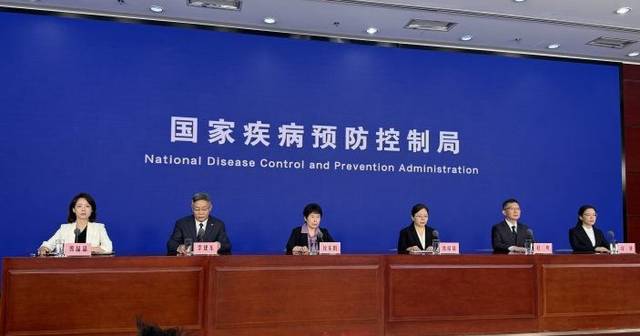
The National Administration of Disease Prevention and Control (NADPC) has announced that COVID-19 transmission across mainland China remains at a low-level, stable state. This assessment, based on ongoing national surveillance of respiratory infectious diseases, indicates that the prevalence of SARS-CoV-2 and other seasonal pathogens is currently within controlled parameters for the general population. Health authorities continue to monitor trends as part of an integrated approach to managing seasonal health risks.
Current Status of Respiratory Pathogens
Official data released by the National Administration of Disease Prevention and Control confirms that the overall epidemiological situation regarding respiratory infections in China is characterized by low-level circulation. This surveillance encompasses a broad range of viral threats, including influenza and COVID-19, which are tracked through a network of sentinel hospitals and laboratory testing sites nationwide. According to the National Health Commission (NHC), this monitoring infrastructure is designed to detect shifts in viral activity early, allowing for timely public health interventions.
The low-level status is consistent with typical post-pandemic trends, where viral activity fluctuates but remains largely managed by existing population immunity and clinical preparedness. While COVID-19 remains a reportable condition, the focus of public health policy has shifted toward the integrated management of all respiratory illnesses, particularly during transition seasons when individuals may be more susceptible to common colds, flu, and other circulating viruses.
Regional Health Risks and Surveillance
While the overall national outlook for respiratory diseases is stable, health officials have highlighted specific regional concerns regarding vector-borne diseases. The National Administration of Disease Prevention and Control has advised that certain provinces in southern China are currently experiencing heightened risks related to dengue fever. This assessment is based on environmental factors, such as increased rainfall and temperature patterns, which facilitate the breeding of mosquitoes capable of transmitting the virus.
Local health departments in these southern regions have been tasked with strengthening mosquito control measures and increasing public awareness regarding bite prevention. The Chinese Center for Disease Control and Prevention (China CDC) consistently emphasizes that the prevention of vector-borne illnesses relies heavily on community-level environmental hygiene, including the elimination of standing water where larvae thrive.
Public Health Guidance and Next Steps
For the general public, the current guidance remains focused on standard hygiene practices that mitigate the spread of both airborne and vector-borne diseases. Experts suggest that individuals should continue to practice respiratory etiquette, such as wearing masks in crowded, poorly ventilated environments if they are symptomatic, and maintaining good hand hygiene. These measures remain the primary defense against the transmission of respiratory viruses during periods of low-level circulation.
The next official update on national respiratory disease trends is expected to be released during the upcoming monthly press briefing held by the National Health Commission, where officials typically provide consolidated data on infectious disease outbreaks and public health initiatives. Residents are encouraged to monitor updates from local municipal health bureaus for specific, localized guidance tailored to their immediate environment. We invite our readers to share their thoughts or experiences with local public health measures in the comments section below.
Keep reading
- University of Minnesota Researchers Create Synthetic Cell Called SpudCell
- The Balance of Fruit Consumption: Health Benefits and Potential Risks
- Army to Hold Virtual Public Meeting on Low Water Levels in Portland (newsdirectory3.com)
- Why the US Still Has No Extradition Treaty With China (daybreakwire.com)