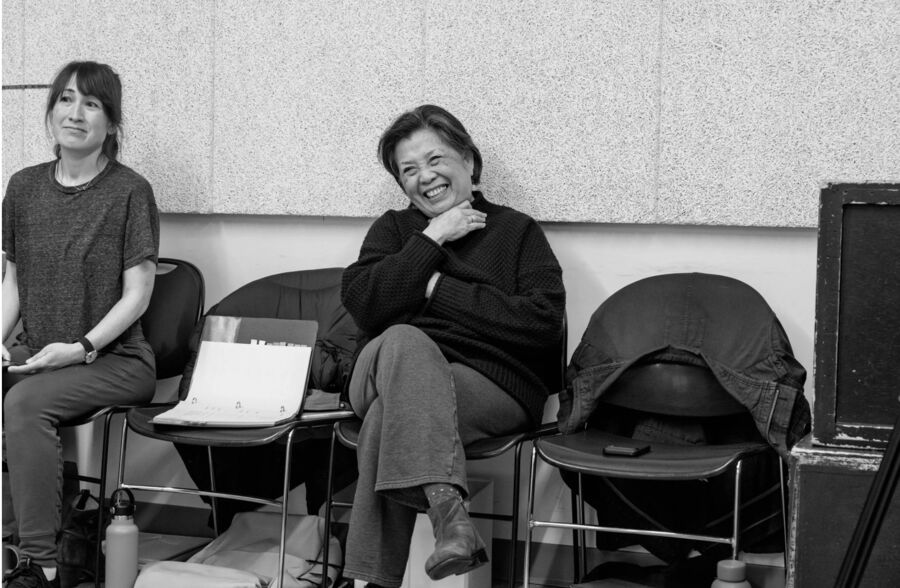
Mia Katigbak, a veteran actor and producer, has become a cornerstone of the New York City theatrical landscape through her leadership at the Ma-Yi Theater Company. As a performer and co-founder, Katigbak has spent decades centering Asian American narratives, transforming the organization from a small collective into an influential institution in the American nonprofit theater sector. Her work bridges the gap between grassroots artistic development and mainstream production, earning recognition for diversifying the stories told on professional stages.
The Ma-Yi Theater Company, which Katigbak co-founded in 1989, was established to address the systemic lack of representation for Asian American actors in the industry. According to the organization’s historical records, the company began with a focus on developing new works that challenged traditional tropes, eventually growing to produce award-winning plays that have moved to Off-Broadway and regional venues across the United States. The company’s mission remains focused on the cultivation of playwrights and performers who explore the complexities of the Asian American experience, ensuring these voices remain a permanent fixture in the city’s cultural output.
Artistic Impact and Leadership
Katigbak’s career is defined by her dual role as an artist and an administrator. While she has maintained an active career as an actor, appearing in numerous stage productions, her impact is most often cited in her capacity as the Producing Artistic Director of Ma-Yi. Her leadership style emphasizes long-term collaboration with writers, a strategy that has resulted in a consistent output of critically acclaimed productions. As noted by the American Theatre Magazine, Katigbak’s path to leadership was not initially planned, but her commitment to the company’s survival and growth led her to take on the operational responsibilities that have sustained the organization for over three decades.
Throughout her tenure, Katigbak has navigated the challenges of running a nonprofit theater, including securing consistent funding and maintaining a facility for rehearsal and performance. Under her guidance, the company has fostered collaborations with major institutions, including the Public Theater and the Flea Theater, to stage complex, multi-layered dramas. These partnerships have allowed the company to reach broader audiences while maintaining its core mission of providing a platform for Asian American theater artists.
Institutional Growth and Advocacy
The evolution of Ma-Yi Theater Company mirrors the broader movement for equity and inclusion in the arts. By focusing on the development of new plays, the company has provided a career launchpad for dozens of playwrights. According to the Ma-Yi Theater Company’s official website, the organization’s programming includes the Ma-Yi Writers Lab, which is described as the largest resident company of Asian American playwrights in the country. This initiative serves as a primary hub for script development, ensuring that new works are nurtured from the page to the stage.
Katigbak’s advocacy work extends beyond her own company. She has been a frequent participant in discussions regarding the demographics of the American theater, often highlighting the need for structural changes within casting and artistic programming. Her efforts have been recognized by the industry at large; in 2014, she received an Obie Award for her performance in the play Awake and Sing!, a testament to her ongoing dedication to craft while managing the administrative demands of a theater company. This recognition highlights her ability to balance the creative requirements of a performer with the logistical rigors of an artistic director.
Sustaining a Legacy in New York Theater
The sustainability of Ma-Yi Theater Company is largely attributed to its ability to adapt to the changing landscape of New York City’s performing arts scene. As costs for performance spaces have fluctuated, the company has utilized various residency models to keep its productions viable. Katigbak has been central to these decisions, ensuring that the company’s financial health does not compromise its artistic integrity. The organization continues to operate in Manhattan, maintaining its status as a vital contributor to the city’s diverse theatrical ecosystem.
For audiences and aspiring artists, the impact of Katigbak’s work is visible in the increased frequency of Asian American stories in mainstream theater reviews and award circuits. The transition from a small, volunteer-led group to a professional company with a national reputation serves as a model for other cultural organizations. Her leadership demonstrates how a specific, community-focused mission can influence the broader artistic standards of an entire city. The company continues to announce new seasons and developmental workshops, with updates regularly provided through their official institutional website.
As the theater industry continues to grapple with post-pandemic recovery and ongoing efforts toward representation, leaders like Katigbak remain central to the conversation. Her work with the Ma-Yi Theater Company serves as a documented example of how artistic vision, combined with consistent institutional management, can create a lasting legacy. Readers interested in the current season or upcoming productions can find further information through the company’s public portal. Please share your thoughts on the evolution of independent theater in New York City in the comments section below.
Worth a look