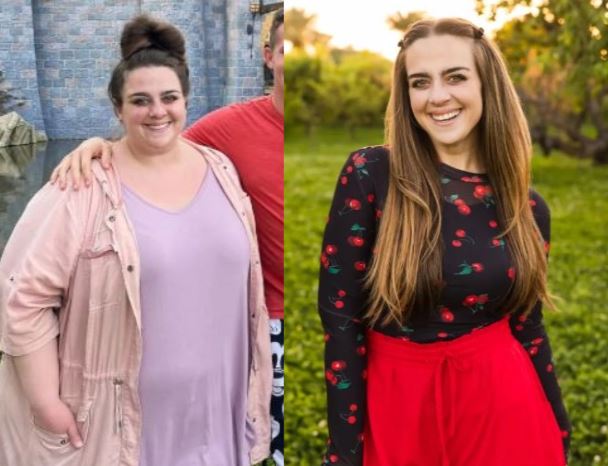
A significant weight loss journey involving a reduction from 180kg to 83kg has drawn renewed attention to the role of consistent, low-intensity physical activity in metabolic health. While medical professionals often emphasize the necessity of comprehensive lifestyle changes, the documented success of individuals utilizing incremental movement strategies—such as short, frequent bouts of walking—underscores the potential of sustainable habits over high-intensity interventions.
The individual’s transformation, which saw a loss of 97kg, reportedly began following a personal realization during a trip to Disneyland. At the time, their physical condition limited their ability to engage in basic social and familial activities, such as playing with a young nephew. This highlights a common clinical observation: intrinsic motivation, often sparked by a specific life event or the desire to improve quality of life, serves as a primary driver for long-term weight management success, according to guidance from the Centers for Disease Control and Prevention (CDC).
The Physiology of Consistent Movement
Integrating short, frequent periods of activity—often termed “exercise snacking”—is a strategy supported by current research into energy expenditure and glucose regulation. Engaging in 10 minutes of walking multiple times throughout the day can assist in managing postprandial glucose levels, which is a critical factor for those struggling with metabolic syndrome or obesity. According to the World Health Organization (WHO), any amount of physical activity is superior to sedentary behavior, and even brief sessions contribute to the recommended 150–300 minutes of moderate-intensity aerobic activity per week.
For individuals starting from a high body mass index (BMI), the focus is often on joint preservation and cardiovascular safety. Short-duration walking sessions reduce the initial barrier to entry, allowing the body to adapt to increased physical stress without the high risk of injury associated with more strenuous forms of exercise. This approach aligns with clinical recommendations for sustainable weight loss, which prioritize a caloric deficit maintained through dietary adjustments and consistent, manageable movement patterns.
Sustainability Over Rapid Intervention
The narrative of losing 97kg without pharmaceutical intervention highlights the efficacy of behavioral modifications. Medical literature consistently notes that while medications—such as GLP-1 receptor agonists—have become a standard tool in treating obesity, they are most effective when paired with lifestyle changes.
The success of the 10-minute walking method lies in its psychological accessibility. By breaking down the daunting task of "losing weight" into smaller, achievable 10-minute segments, individuals are more likely to maintain consistency over several years.
Medical Perspectives on Weight Management
As a physician, I frequently observe that the most successful patients are those who move away from the “all-or-nothing” mentality. The journey from 180kg to 83kg is not merely a result of walking, but a reflection of a broader, sustained lifestyle overhaul. When patients ask about the “miracle” of small changes, the answer is usually rooted in the cumulative effect of small, daily decisions.
Weight loss of this magnitude involves significant physiological changes, including improvements in insulin sensitivity, blood pressure, and joint health. It is essential for individuals attempting significant weight loss to consult with a healthcare professional to ensure that the caloric deficit remains within a safe range and that nutritional needs are met throughout the process. Ongoing medical monitoring is advised to track changes in body composition and metabolic health, particularly for those with a high starting weight.
Next Steps for Sustainable Health
For those looking to begin a health journey, the first step is often a consultation with a primary care physician to establish a baseline for metabolic markers and physical capability. Official guidelines on healthy weight loss and physical activity are regularly updated by global health authorities. For reliable, evidence-based resources, readers are encouraged to consult the WHO Obesity and Overweight Fact Sheet or local health department guidelines for community-based support programs.
If you or a loved one are considering a significant lifestyle change, remember that the most effective program is one you can adhere to for the long term. Please share your experiences or questions regarding sustainable health habits in the comments section below.