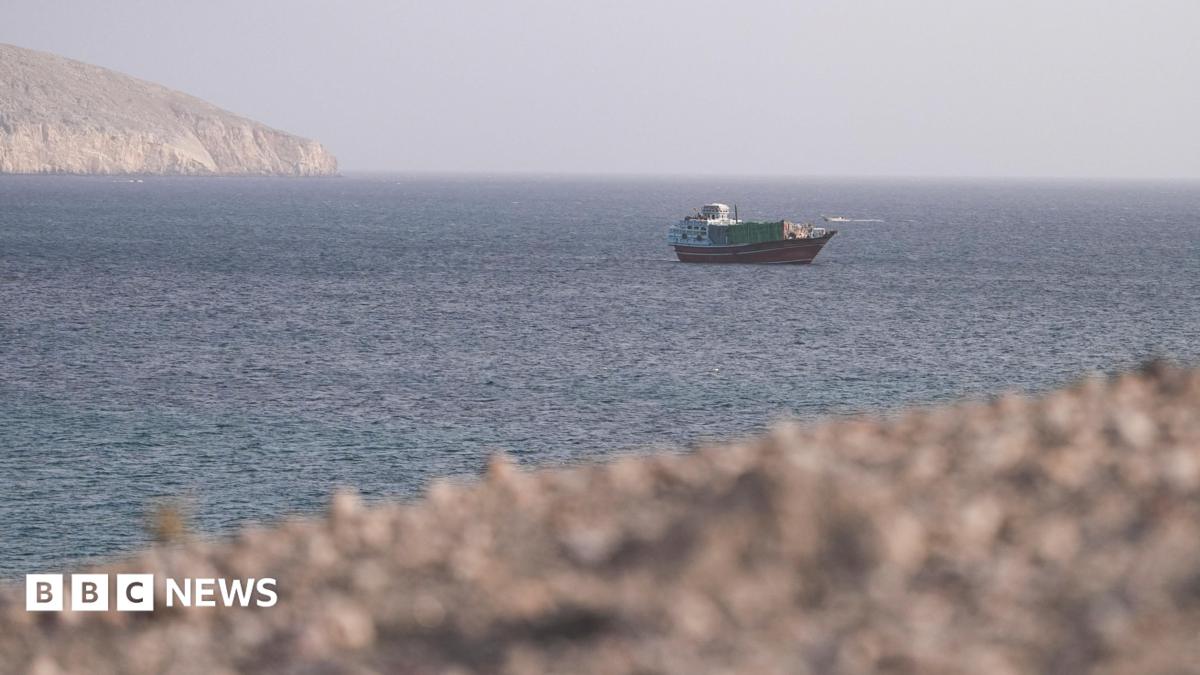
The United States military has conducted a series of airstrikes in Iran, targeting infrastructure including bridges, as part of an expanding regional security operation. These strikes, which the Iranian government has characterized as a significant escalation of hostilities, coincide with reports that U.S. forces have boarded a vessel in the Strait of Hormuz. The dual developments mark a period of heightened friction in one of the world’s most critical maritime corridors, raising questions about the scope of U.S. military objectives in the region.
According to reports from the U.S. Central Command (CENTCOM), military operations in the Middle East have intensified in response to ongoing threats to international shipping and regional stability. While officials have not provided a comprehensive list of every tactical target, the confirmation of strikes on infrastructure in Iran highlights a shift from defensive maritime postures to more direct engagement within Iranian territory. This follows months of intermittent skirmishes between Western naval forces and Iranian-aligned entities, a dynamic documented by the Reuters news agency in its ongoing coverage of Gulf security.
Maritime Tensions and Strait of Hormuz Operations
The Strait of Hormuz remains the focal point of these latest developments, as it serves as a vital choke point for global energy supplies. The boarding of a ship by U.S. forces in the strait reflects a long-standing policy of enforcing maritime sanctions and preventing the illicit transfer of prohibited materials. The U.S. Department of State has previously maintained that such actions are necessary to uphold the rules-based international order, though Tehran consistently labels these boardings as acts of piracy and violations of its sovereign rights.

The strategic importance of the strait cannot be overstated, as approximately one-fifth of the world’s oil consumption passes through its narrow waters daily, according to data from the U.S. Energy Information Administration. When U.S. naval assets engage in direct boarding actions, the risk of miscalculation between regional powers increases significantly. Analysts note that these incidents are rarely isolated; they are often tied to broader geopolitical maneuvering involving nuclear non-proliferation talks and regional proxy conflicts.
Iranian Response to Infrastructure Strikes
Iranian state media has condemned the airstrikes on bridges and other infrastructure as a direct violation of international law. By targeting internal infrastructure rather than solely focusing on maritime assets, the United States has introduced a new layer of friction that Tehran claims is intended to cripple its domestic logistics and economic mobility. The United Nations Security Council has historically called for restraint from all parties involved in the Gulf, yet diplomatic avenues have struggled to contain the recent cycle of kinetic activity.

The tactical decision to strike bridges suggests an intent to disrupt supply lines, though the long-term strategic impact of such strikes remains a subject of debate among security experts. Unlike naval engagements, which are typically contained to the high seas, strikes on land-based infrastructure carry a higher political cost and are more likely to necessitate a formal retaliatory response from the Iranian Revolutionary Guard Corps (IRGC). As of this writing, no large-scale counter-offensive has been confirmed by international observers, though military monitors continue to track troop movements along the border regions.
Contextualizing the Regional Security Landscape
These events occur against a backdrop of complex U.S.-Iran relations, marked by the absence of formal diplomatic ties and a reliance on intermediaries. The current administration in Washington has faced pressure from various domestic stakeholders to adopt a more assertive stance against Iranian influence, while European allies have frequently advocated for de-escalation to prevent a wider conflict. The U.S. Department of Defense maintains that its presence in the region is purely intended to deter aggression and ensure the free flow of commerce.

For the international community, the primary concern is the potential for these localized strikes to trigger a broader regional war. The history of the region is replete with instances where minor maritime incidents escalated into significant military confrontations. Observers will be looking to the next session of the UN Security Council for any formal statements or emergency briefings regarding the legality and consequences of the recent strikes.
As the situation remains fluid, updates regarding the status of the boarded vessel and any further military activity are expected to come through official CENTCOM briefings. We will continue to monitor the situation as more verified information becomes available. We invite our readers to share their perspectives on the geopolitical implications of these developments in the comments section below.
Keep reading
- The Evolution of Wartime Medicine: From Disease to Modern Logistics
- Boris Nadezhdin: Why My Detention Reveals “Panic and Chaos” in Russian Leadership
- Netflix to Stop Releasing Viewership Data Every 6 Months, Will Shift to Annual Reports (archyworldys.com)
- Trump Escalates Military Strikes on Iran to Force Negotiations (world-today-news.com)