The U.S. State Department is currently evaluating a proposal to require financial bonds from certain visa applicants as part of the Trump administration’s broader push to restrict immigration pathways. While specific details regarding the bond amounts and the categories of affected applicants remain under review, reports indicate that discussions have centered on a potential $100,000 requirement for some green-card applicants, according to reporting by The Wall Street Journal.
This initiative aligns with the administration’s stated objective of ensuring that those seeking to immigrate to the United States demonstrate financial self-sufficiency. State Department spokesperson Tommy Pigott confirmed in a statement that the agency is considering bonds for applicants who are otherwise deemed ineligible due to the likelihood of becoming a public charge. Pigott described the policy as a mechanism to verify that applicants possess the resources to support themselves, thereby preserving public assistance resources for U.S. citizens.
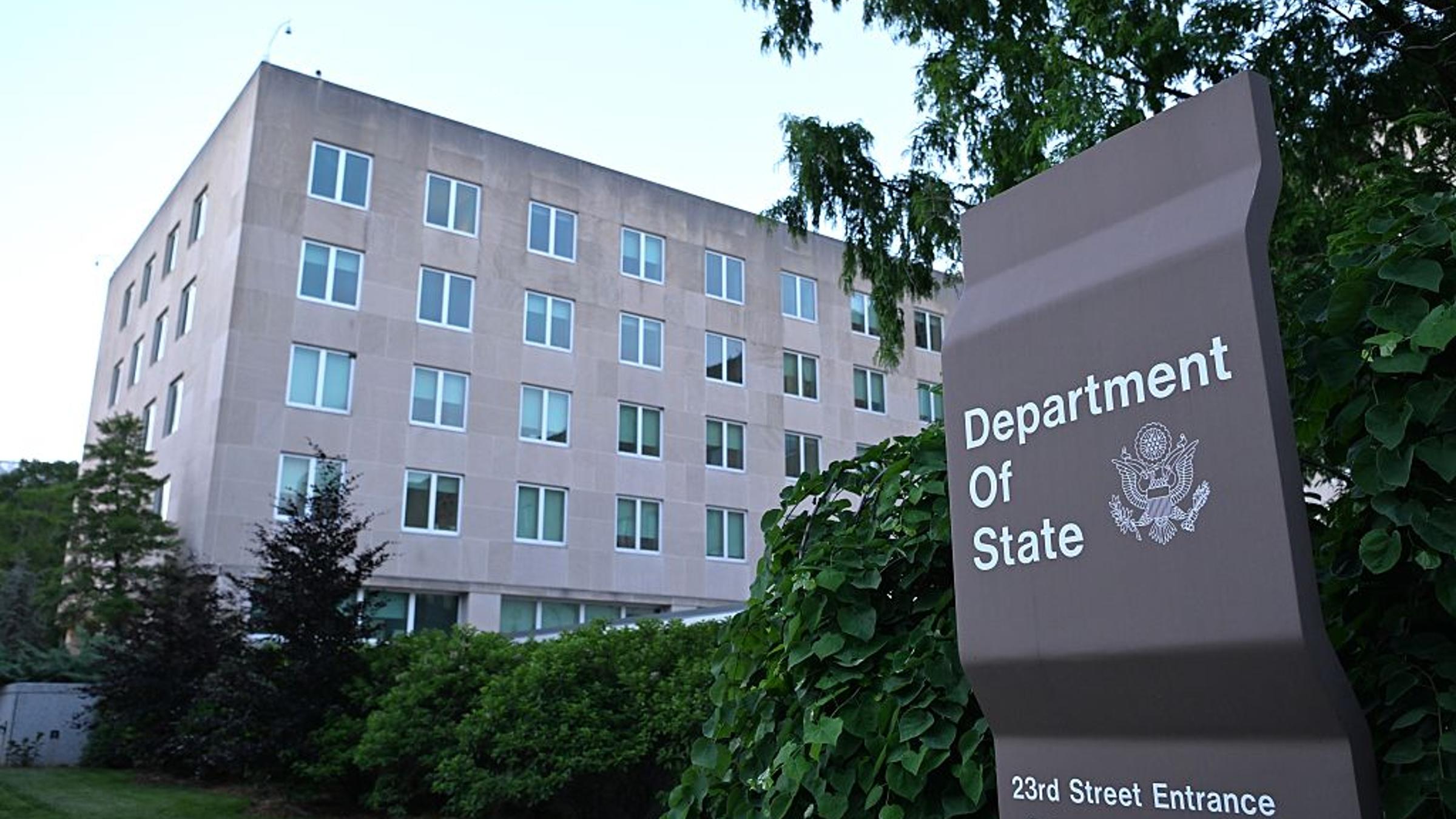
This photo taken on June 3, 2026 shows the U.S. Department of State building in Washington, D.C. —Li Rui—Xinhua/Getty Images
Policy Context and Administrative Priorities
Since the beginning of his second term, President Donald Trump has implemented a series of measures aimed at tightening both legal and illegal immigration. The administration has sought to restrict various legal pathways, including recent efforts to increase the costs associated with citizenship application forms. A proposal from the Department of Homeland Security, released to the public in May 2026, outlined plans to significantly raise these filing fees, sparking criticism from immigration advocates who contend the move creates a financial barrier to naturalization.

The administration has also faced legal challenges regarding its attempts to alter immigration fees. In late 2025, the White House announced plans to impose a $100,000 annual fee on companies hiring foreign workers under the H-1B visa program. However, a federal judge invalidated that policy in its entirety last month, ruling against the administration’s fee structure.
Legal Challenges to Immigration Restrictions
The administration’s strategy has encountered significant friction within the federal court system. On June 30, 2026, the Supreme Court issued a decision upholding the principle of birthright citizenship, effectively blocking executive efforts to limit the 150-year-old constitutional guarantee.
Despite this judicial setback, the Department of Justice informed staff on the same day that it intends to prioritize the investigation and prosecution of what it characterizes as “birth tourism” schemes. The agency alleges that the U.S. system is exploited by individuals who travel to the country with the intent of securing citizenship for their children.
What Applicants and Employers Should Monitor
As the State Department continues its review of the bond proposal, officials have not released a timeline for potential implementation or a definitive list of visa categories that would be impacted.

We will continue to update this report as more information regarding the bond requirements becomes available. Please share your thoughts or questions in the comments section below.
Related reading