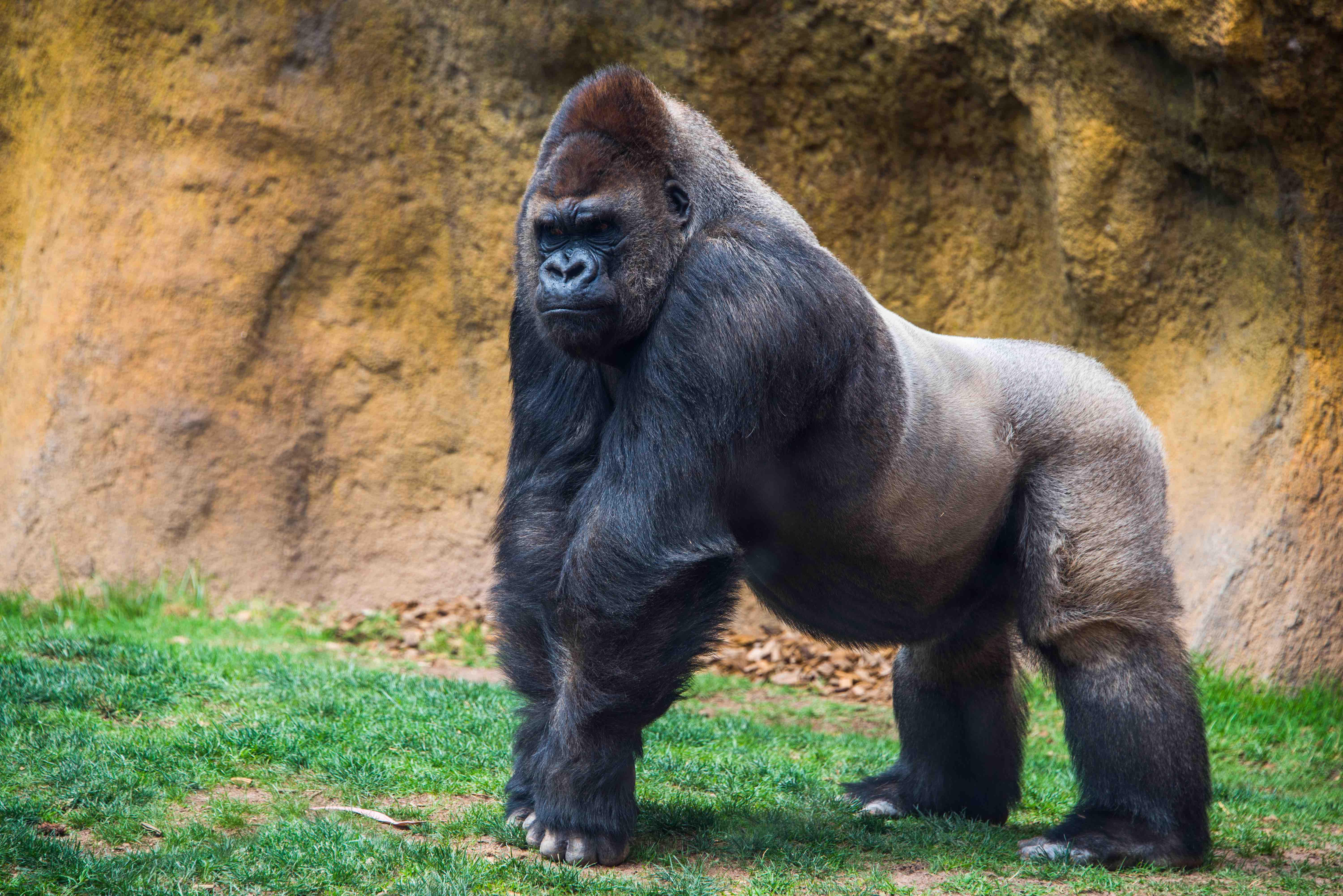
A western lowland gorilla at the Basel Zoo in Switzerland killed its own offspring on Thursday, shortly after the infant was born. According to an official statement released by the zoo, the incident occurred within the enclosure, where the silverback gorilla also attacked another member of the troop, inflicting injuries to the animal’s genital area.
The Basel Zoo, known locally as Zolli, confirmed that the infant did not survive the attack. Keepers and veterinary staff were unable to intervene in time to prevent the lethal outcome, as the behavior occurred rapidly within the group’s social structure. The event has prompted an internal review at the institution, which serves as a significant hub for the European Endangered Species Programme (EEP) for western lowland gorillas.
Details of the Behavioral Incident
The incident took place during the morning hours, immediately following the birth of the infant. Basel Zoo officials noted that while infanticide is a known, albeit distressing, behavior in wild gorilla populations, it remains a rare and difficult occurrence to manage in a zoological setting. According to the official communication from Basel Zoo, the silverback displayed aggressive behavior toward both the newborn and a female member of the troop, biting the latter in the groin region.
The injured female is currently under observation by the zoo’s veterinary team. The zoo indicated that the injuries, while severe, are being treated with appropriate medical protocols. The facility has not reported any further escalations within the troop, noting that the group dynamics are being monitored closely by animal care staff to ensure the stability of the remaining individuals.
Understanding Infanticide in Captive Populations
In primate biology, infanticide is often attributed to social competition and the establishment of dominance within a troop. Researchers have documented that when a new silverback takes over a group, or when tensions rise regarding hierarchy, such behaviors may manifest. However, the circumstances at Basel Zoo are currently being examined to determine specific environmental or social triggers that may have contributed to this event.
The European Association of Zoos and Aquaria (EAZA), which oversees the management of threatened species in European institutions, emphasizes that captive breeding programs are designed to mimic natural social structures as closely as possible. Despite these efforts, the unpredictability of animal behavior remains a fundamental challenge for conservationists and zookeepers alike. The Basel Zoo has a long-standing history of primate conservation, and such incidents are managed in accordance with international protocols for the welfare of endangered species.
Institutional Response and Ongoing Monitoring
Basel Zoo has confirmed that it will continue to provide updates as the troop stabilizes. The focus for the veterinary team remains the recovery of the injured female and the monitoring of the silverback’s behavior. The institution has not announced any changes to public viewing hours, though they maintain that the wellbeing of the animals is their primary concern.
For those interested in the ongoing management of the troop, the Basel Zoo official website serves as the primary source for verified updates regarding the status of the animals involved. The zoo has not scheduled any external inquiries at this time, treating the matter as a significant, yet localized, behavioral event within their established breeding program.
We welcome your thoughts on the complexities of wildlife management in zoological settings. Please share your insights or questions in the comments section below.