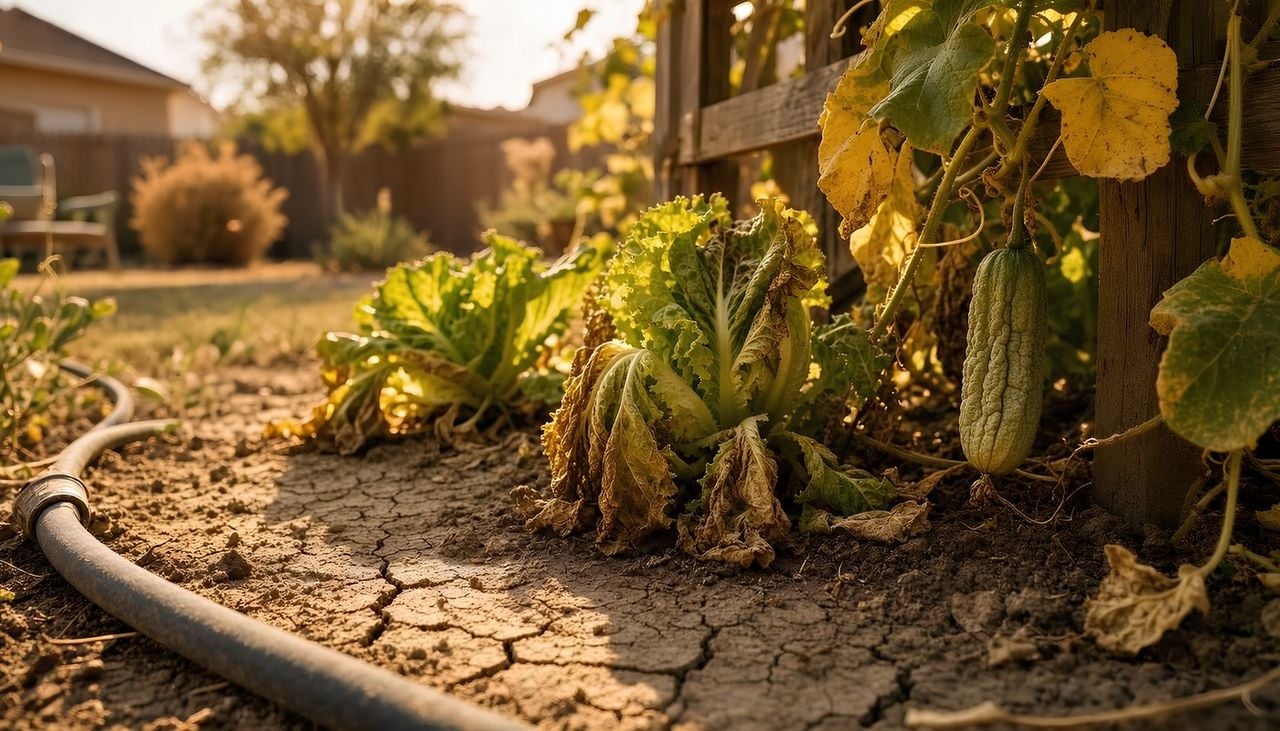
Recent research in soil science suggests that terrestrial ecosystems possess a form of “memory” that can influence how land responds to future climate events. Scientists have identified that soils exposed to prolonged periods of drought do not immediately reset to their baseline state once precipitation returns. Instead, the physical, chemical, and biological shifts occurring within the soil profile can persist, effectively altering the land’s resilience and productivity for months or even years after the moisture deficit has ended.
This phenomenon, often referred to as soil memory, is a critical area of study for researchers monitoring the long-term impacts of climate change on global agriculture and carbon sequestration. According to findings published by the Nature Climate Change journal, the legacy of a drought can suppress plant growth and carbon uptake long after the meteorological drought has concluded. Understanding these mechanisms is essential for land management, particularly as extreme weather events become more frequent.
The Mechanisms of Soil Drought Legacy
When soil undergoes a severe drought, it is not merely a loss of water content. The absence of moisture triggers a cascade of changes in the soil’s structure and its microscopic inhabitants. As explained by the United States Geological Survey (USGS), soil health is inextricably linked to the complex network of fungi, bacteria, and organic matter that thrive in moist conditions. During a drought, these microbial communities can shift in composition or enter dormant states.
When the rain finally returns, these communities do not always bounce back instantaneously. The Food and Agriculture Organization (FAO) of the United Nations notes that soil organic matter—the primary storehouse for nutrients and moisture—can degrade during extended dry spells. Once the soil structure is compromised, its ability to infiltrate and retain water is diminished. This leads to a feedback loop where the soil remains less capable of supporting vegetation, even when rainfall totals return to historical averages.
Impacts on Carbon Sequestration and Agriculture
The “memory” of drought has significant implications for the global carbon cycle. Soils are one of the planet’s largest carbon sinks, trapping vast amounts of CO2 through the decomposition of organic matter and root respiration. However, research highlighted by the Intergovernmental Panel on Climate Change (IPCC) indicates that drought-stressed soils may release more carbon than they absorb. This occurs because the microbial turnover in the soil changes during drought recovery, often resulting in a net loss of stored carbon back into the atmosphere.
For agricultural sectors, this legacy effect presents a unique challenge for crop rotation and soil management. Farmers often see reduced yields in the seasons immediately following a drought, a phenomenon sometimes attributed to “residual stress.” According to the USDA Natural Resources Conservation Service, practices such as cover cropping and reduced tillage can help mitigate these legacy effects by protecting the soil structure and fostering microbial diversity, which in turn helps the soil “forget” the drought more quickly.
Monitoring and Future Research
As climate models become more refined, integrating soil memory into predictive software is becoming a priority for environmental scientists. The NASA Earth Science Division utilizes satellite data, such as the Soil Moisture Active Passive (SMAP) mission, to track surface soil moisture levels globally. By comparing current moisture levels against historical baselines, researchers can identify regions where the soil may be exhibiting signs of drought legacy.
The next major checkpoint for this field of research involves the integration of high-resolution soil sensors into regional agricultural monitoring systems. These sensors provide real-time data on soil temperature, salinity, and moisture depth, allowing for more precise interventions. As global temperatures rise, the ability to predict how specific soil types respond to drought recovery will be a deciding factor in sustaining food security and maintaining the health of terrestrial biomes.
Readers interested in local soil health monitoring are encouraged to check for updates from their national meteorological services or regional agricultural extension offices, which frequently publish reports on soil moisture levels and drought recovery status. We welcome your thoughts on how changing climate patterns are impacting your local environment; please share your observations in the comments section below.
Keep reading