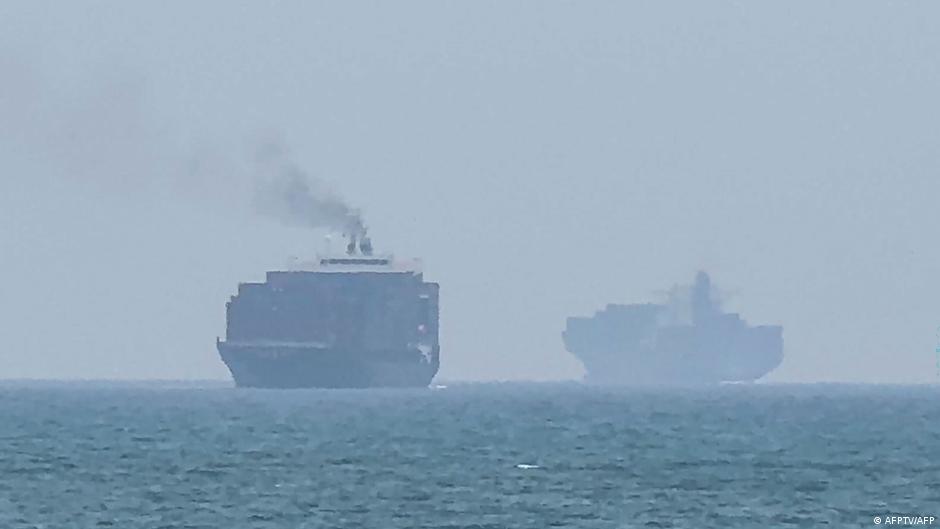
Tensions in the Strait of Hormuz escalated significantly following reports of explosions involving two oil tankers in the region. The incident has prompted immediate concern from global shipping authorities and raised questions regarding the safety of one of the world’s most critical maritime corridors. While investigations are ongoing, the event has already triggered warnings from national governments and industry bodies regarding the movement of vessels through these waters.
According to the U.S.
Maritime Industry Response to Security Concerns
The shipping industry has reacted with urgency to the reports of explosions. The UK Chamber of Shipping has publicly expressed deep concern over the disruption of traffic in the area, emphasizing the danger posed to crews and vessels. The organization, which represents hundreds of shipping companies, monitors such incidents closely to advise its members on risk mitigation strategies in high-tension regions.
The safety of commercial vessels and their crews remains the primary focus for maritime regulators, who are currently evaluating the risk of further incidents.
Regional Tensions and Strategic Implications
Reports indicate that vessels in the vicinity have been affected, with some crews being evacuated from ships that were left drifting. The complexity of the situation is compounded by the strategic importance of the route, which has historically been a focal point for geopolitical friction involving the Iranian Revolutionary Guard Corps and international naval forces.
Government agencies, including those in India, have begun issuing travel and operational advisories. The Indian government has urged shipping companies to exercise extreme caution and, in some instances, to avoid sending sailors through specific routes within the Hormuz transit area until the security situation is stabilized.
Operational Impact on Global Oil Transit
The immediate impact on shipping logistics has been significant. Vessel tracking data and reports from the region confirm that several ships have been forced to alter their courses or remain stationary due to the risks posed by the reported explosions.
The situation remains fluid. Further updates are expected as naval patrols in the region complete their assessments of the damage and investigators work to determine the origin of the explosions. Readers are encouraged to monitor official maritime safety bulletins and government foreign office travel advice for the latest operational guidance regarding the Persian Gulf.
Related reading