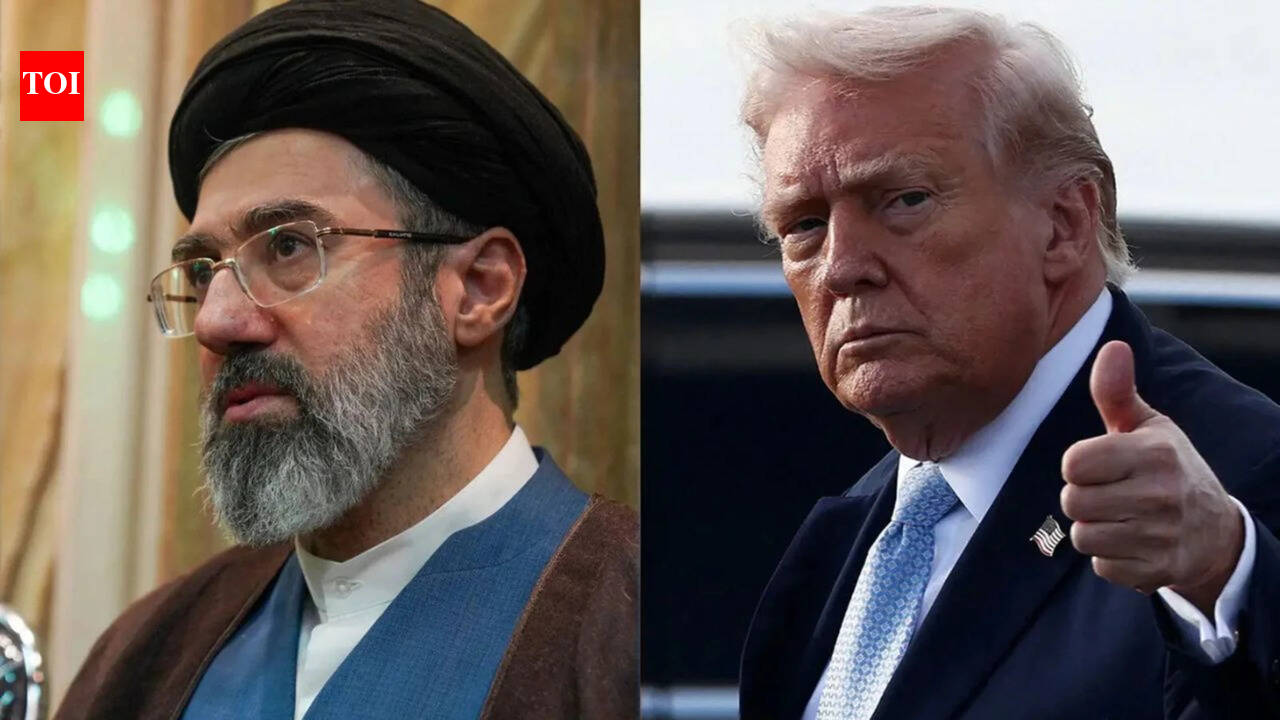
Iranian officials have intensified their rhetorical stance against the United States, characterizing the diplomatic commitments made by former President Donald Trump as unreliable and devoid of long-term value. This hardening of rhetoric, centered on the narrative that “Trump’s signature is worthless,” follows ongoing tensions regarding the implementation of international agreements and the efficacy of previous diplomatic frameworks aimed at curbing Iran’s nuclear program.
The Iranian leadership’s public assessment reflects a deep-seated distrust in the durability of U.S. foreign policy commitments, particularly following the 2018 U.S. withdrawal from the Joint Comprehensive Plan of Action (JCPOA). According to reports from the Associated Press, Iranian officials have frequently cited the unilateral exit from the nuclear deal as evidence that American guarantees are subject to the political whims of changing administrations, rendering bilateral or multilateral signatures insufficient for Iran’s long-term security calculations.
The Legacy of the 2018 JCPOA Withdrawal
The core of the current diplomatic impasse lies in the events of May 8, 2018, when President Donald Trump announced that the United States would cease participation in the JCPOA, an agreement reached in 2015 between Iran and the P5+1 powers. The move triggered a “maximum pressure” campaign, resulting in the reimposition of extensive economic sanctions targeting Iran’s energy, shipping, and financial sectors, as documented by the U.S. Department of State.

For Tehran, the withdrawal served as a definitive turning point. Iranian officials, including Supreme Leader Ayatollah Ali Khamenei, have since argued that the U.S. failure to honor the 2015 agreement proved that any future negotiations require ironclad guarantees that transcend individual presidential terms. This perspective is now a cornerstone of Iran’s foreign policy, influencing its refusal to engage in new, narrow-scope negotiations that do not address the foundational issue of sanctions relief and long-term stability.
Strategic Implications and Threats of Response
Iran has signaled that it will not remain passive in the face of what it describes as “broken promises” and continued economic pressure. Iranian government spokespeople have repeatedly suggested that the country is prepared to accelerate its nuclear enrichment activities and increase its regional military posture if the United States continues to maintain its current hardline stance. These statements are often framed as a “response” to U.S. hostility rather than an initiation of conflict.
According to analysis from the International Atomic Energy Agency (IAEA), Iran has continued to expand its nuclear program beyond the limits set by the JCPOA, citing the failure of other signatories to provide the promised economic dividends following the U.S. exit. The IAEA reports that Iran’s current enrichment levels and stockpiles of fissile material remain a primary concern for international observers, as they represent a significant departure from the 2015 constraints.
Diplomatic Challenges and Future Outlook
The assertion that U.S. signatures are “worthless” carries significant weight in the current geopolitical climate. It suggests that even if a new diplomatic opening were to occur, the threshold for building trust has risen dramatically. Experts in international relations note that this rhetoric is designed both for domestic consumption—to bolster the narrative of Iranian resilience—and for international audiences, to highlight the perceived instability of U.S. policy.
As the international community monitors the situation, the focus remains on whether any middle ground can be found. The U.S. government maintains that its sanctions are intended to curb Iran’s regional influence and nuclear ambitions, while Iran insists that the sanctions are an act of economic warfare that violates international norms. With both sides entrenched in their positions, the prospect of a return to the 2015 status quo appears increasingly remote.

The next major checkpoint for these developments remains the periodic reporting from the IAEA Board of Governors, which meets quarterly in Vienna to assess Iran’s compliance with its safeguards agreements. These meetings provide the most authoritative data on Iran’s nuclear activities and the status of international monitoring efforts. Readers interested in following the technical updates on this issue can monitor the official statements and reports published by the IAEA Board of Governors.
We invite our readers to share their perspectives on the future of U.S.-Iran diplomacy in the comments section below. Accurate, sourced discussion helps clarify the complexities of these ongoing geopolitical shifts.
Keep reading