Two German mountaineers have died in separate accidents in the Austrian Alps, according to reports from local authorities. The incidents, which occurred during the height of the summer climbing season, highlight the persistent risks associated with high-altitude terrain even for experienced climbers.
In the first incident, a 54-year-old German national fell while descending the Grossglockner, Austria’s highest mountain, at an elevation of approximately 3,798 meters. According to the Austrian Federal Police, the climber lost his footing on a steep section of the route, resulting in a fatal fall. Rescue teams were deployed immediately, but the individual was pronounced dead at the scene.
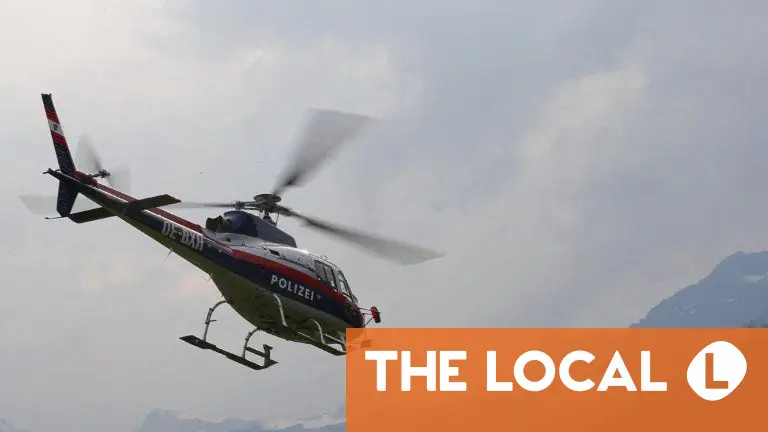
A second fatality occurred in the Tyrolean Alps, where a 47-year-old German climber suffered a fatal accident while navigating a technical ridge. Local mountain rescue services, or Bergrettung, indicated that the climber fell several hundred meters after a rockfall reportedly destabilized his position. The recovery operation was complicated by difficult weather conditions and the technical nature of the terrain, necessitating the use of specialized rescue helicopters.
Mountain Safety and Environmental Hazards in the Alps
The Austrian Alps remain a primary destination for international climbers, but the region has seen an increase in accidents linked to changing environmental conditions. According to the Austrian Alpine Club (Österreichischer Alpenverein), rising temperatures have led to increased permafrost thaw, which makes rock faces less stable and increases the frequency of unpredictable rockfalls. This shift in mountain stability is a recognized factor that rescue organizations warn climbers about when planning high-altitude excursions.
Climbing experts suggest that the “alpine danger” is compounded by human factors, including fatigue and overestimation of physical capacity at higher altitudes. The International Commission for Alpine Rescue (ICAR) emphasizes that even well-marked routes require constant vigilance and appropriate equipment, especially as weather patterns in the Alps can shift within minutes, turning moderate climbs into hazardous environments.
Protocol for Alpine Emergency Response
When an accident occurs in the Austrian Alps, the response is coordinated through a highly structured system involving local police and the volunteer-based mountain rescue service. The Austrian Ministry of the Interior manages the regulatory framework for these operations. In the event of a mountain emergency, the standard protocol involves contacting the European emergency number 112, which routes the caller to the nearest dispatch center capable of coordinating helicopter support.
Authorities urge climbers to adhere to the following safety guidelines to mitigate risks:
- Check detailed, high-resolution weather forecasts specifically for the mountain region before departure.
- Ensure that gear, including ropes, harnesses, and helmets, is inspected for wear and tear.
- Register route plans with mountain huts or local contacts to ensure search teams have a starting point in an emergency.
- Carry a fully charged satellite-capable communication device, as cellular reception is frequently unavailable in deep valleys or on ridge lines.
The investigations into both incidents are currently being handled by local district prosecutors in the respective provinces where the accidents occurred. Official reports detailing the exact technical causes of these falls are expected to be finalized within the coming weeks. For those seeking current trail conditions or safety advisories, the Bergfex portal provides real-time updates on mountain conditions across Austria.
We invite our readers to share their thoughts or experiences regarding mountain safety in the comments section below. Please ensure all contributions remain respectful of the families involved in these tragic events.
Related reading