
Indonesia Expands Visa-Free Access as Global Travel Costs Rise
Indonesia officially expanded its visa-free entry program on July 9, 2026, incorporating six new countries and territories into its Bebas Visa Kunjungan
(visa-free visit) regime. The newly eligible jurisdictions include Turkey, Brazil, Peru, Kazakhstan, Belarus, and the Macau Special Administrative Region of China. This policy shift, enacted under Ministry of Immigration and Corrections Regulation No. 10/2026, brings the total number of countries and territories eligible for visa-free entry to 19. Travelers from these locations may now enter Indonesia for up to 30 days for tourism or social visits without the requirement of applying for a visa prior to arrival.
Regulatory Framework and Implementation
The implementation of Ministerial Regulation No. 10 of 2026, signed by Immigration and Corrections Minister Agus Andrianto, officially replaced the previous 2025 regulation. The legal foundation for this expansion is Presidential Regulation No. 95 of 2024 on Visa-Free Visits. Under this framework, the President established the criteria for visa-free access, while the authority to approve and amend the list of eligible countries was delegated to the immigration minister.
Minister Agus Andrianto explained the decision-making process on July 14, 2026, stating, “The expansion of this list is the result of a comprehensive evaluation based on Presidential Regulation No. 95 of 2024 on Visa-Free Visits. We carefully considered the principle of reciprocity, national security, the impact on the tourism sector, economic and investment potential, as well as other strategic aspects determined by the President.” He emphasized that Indonesia does not grant visa-free access without careful consideration, noting that every decision is based on strategic national interests rather than being offered unconditionally.
Strategic Divergence from Global Trends
Indonesia’s decision to maintain existing visa fee structures comes during a period when several other major tourist destinations have opted to increase costs. Japan introduced its first visa fee increase in nearly 50 years, raising the cost of single-entry and multiple-entry visas fivefold starting July 1, 2026. Simultaneously, Australia increased most visa application charges by approximately 25 percent as of July 1, with certain categories facing even steeper hikes.
Tourism Minister Widiyanti Putri Wardhana has explicitly stated that the Indonesian government has no plans to mirror these global increases. I don't think there are any plans [to raise visa fees] at this point,
Widiyanti said on Wednesday as quoted by Bisnis.com. She further confirmed that the Ministry of Immigration and Corrections has not indicated that any proposal to raise visa charges is currently under consideration. Minister Widiyanti argued that easing travel requirements is a more effective strategy for attracting international visitors than raising fees, citing a World Travel and Tourism Council (WTTC) study showing that visa facilitation policies can increase tourist arrivals by approximately 24 percent.
Bilateral Relations and Historical Context
The expansion has significant implications for bilateral relations. For Belarus, the regulation marks a restoration of access that had been suspended since March 2020 due to the COVID-19 pandemic. Following a meeting between President Prabowo Subianto and Aliaksandr Lukashenka in early July, the visa-free regime was highlighted as a key topic of bilateral talks. Lukashenka publicly thanked the Indonesian side for the decision to abolish visa requirements and establish direct air links. It is noted that Indonesian citizens are already permitted to travel to Belarus without a visa for stays of up to 30 days.

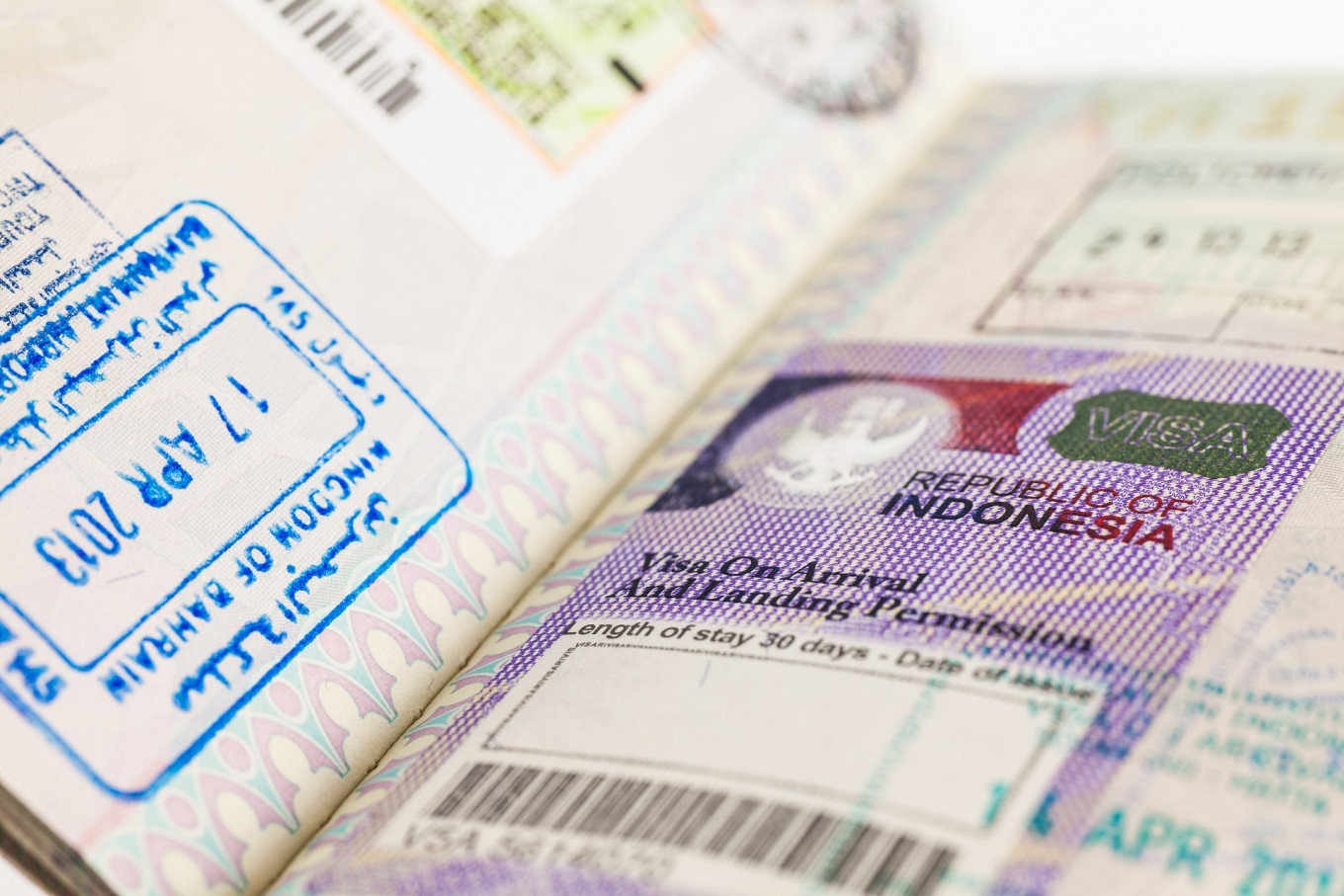
The Ministry of Immigration and Corrections also noted that Indonesian passport holders currently enjoy visa-free access to 88 countries. The government expects that these expanded reciprocal arrangements will strengthen Indonesia’s position in the global economy. Indonesian Ambassador Extraordinary and Plenipotentiary to Kazakhstan and Tajikistan, Fadjroel Rachman, has been involved in the ongoing efforts to bolster these international connections, with the ministry focusing on the potential for increased trade and investment alongside tourism growth.
By prioritizing a policy of Bebas Visa Kunjungan,
the government aims to support long-term tourism recovery. As the country moves forward with this strategy, officials maintain that the focus remains on making travel to Indonesia simpler and more accessible to drive economic development while continuing to prioritize national security and the principle of reciprocity.
Sources: Travelandtourworld, The Jakarta Post.
Worth a look