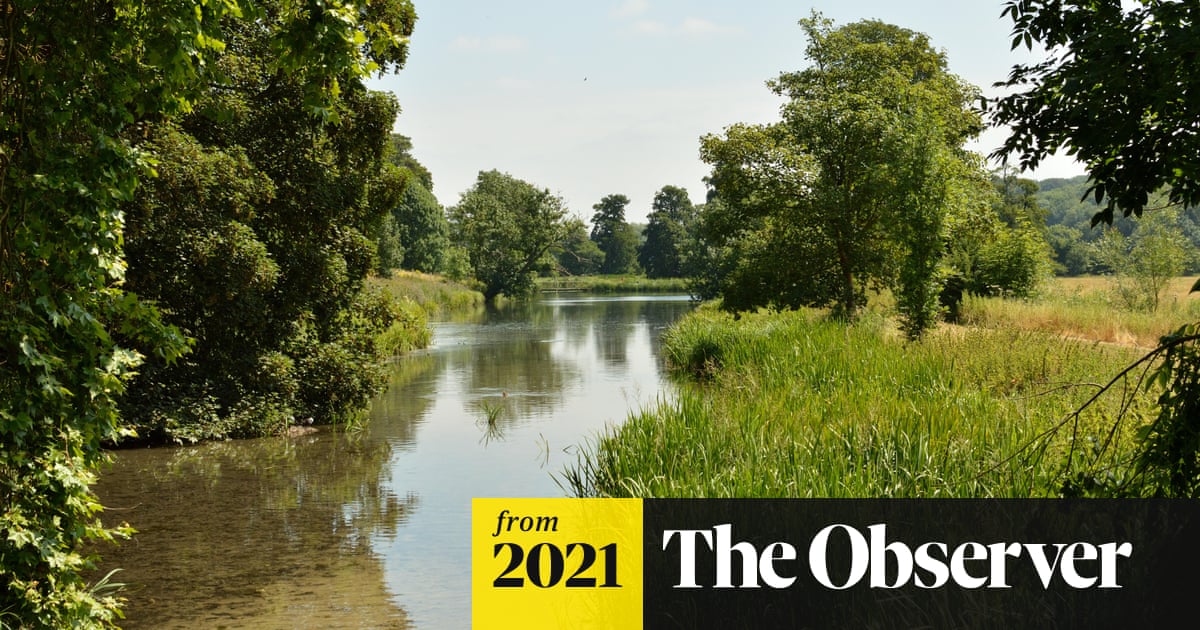
East Riding of Yorkshire Council has moved to nominate the region’s chalk streams as a UNESCO Natural World Heritage site, citing severe threats from pollution and water abstraction. This initiative aims to secure international protection for these rare ecosystems, which account for 85% of the world’s chalk streams but face declining health across England.
A Global Rarity Under Threat
England hosts approximately 85% of the world’s estimated 260 chalk streams. Despite their ecological significance, these waterways are currently suffering from a combination of excessive water abstraction, pollution, and the impacts of climate change.
In 2023, data highlighted the scale of the crisis, with East Riding of Yorkshire Council reporting that 48,829 hours of sewage were discharged into English chalk streams. Councillor Philp Redshaw emphasized the urgency of the situation, noting that once the ecological balance of these streams is disrupted, restoration becomes exceptionally difficult.
UNESCO Nomination and Policy Reform
To combat these threats, the East Riding of Yorkshire Council has resolved to petition the Secretary of State for Environment, Food and Rural Affairs, Steve Reed MP. The council is seeking to have the region’s chalk streams—including the River Hull system—nominated as part of a serial UNESCO Natural World Heritage site.
This push for international recognition coincides with broader legislative efforts. A Chalk Streams Protection Bill is currently moving through Parliament, aimed at codifying stronger safeguards against pollution and abstraction. Additionally, environmental charities are pressing the UK Government to integrate specific protections into the National Planning Policy Framework (NPPF).
“Our chalk streams here in the East Riding are an absolutely vital part of the Yorkshire Wolds landscape. They are truly globally unique habitats and a stable home for brown trout, water vole, and kingfishers as well as a few other species. The vast majority of the world’s chalk streams are in this country, and they are so ecologically important that some people consider them to be England’s rainforests.”
Councillor Denise Howard, East Riding of Yorkshire Council
Habitat Restoration in the Meon Valley
While policy debates continue at the national level, local conservation groups are taking direct action to secure specific sites. In May 2026, the Hampshire and Isle of Wight Wildlife Trust successfully acquired Court House Meadows, a 21.4-acre site along the River Meon. The project was funded through a combination of community donations and support from the South Downs National Park Authority.
John Durnell, senior director of operations at the trust, described the acquisition as a once-in-a-generation opportunity
to restore the river’s natural floodplain. The site is intended to serve as a sanctuary for endangered species, including water voles and brown trout, which have seen their populations dwindle due to habitat degradation.
The Impact of Water Abstraction
In some instances, such as the River Chess in Buckinghamshire, excessive abstraction led to the river drying up entirely for several years, causing local trout populations to vanish.
Some utility companies have begun to alter their infrastructure in response to these pressures. Affinity Water, for example, previously halted abstraction from the River Chess, choosing instead to pipe water from other regions. However, conservationists warn that such measures are not yet standard practice across the industry.
Keep reading