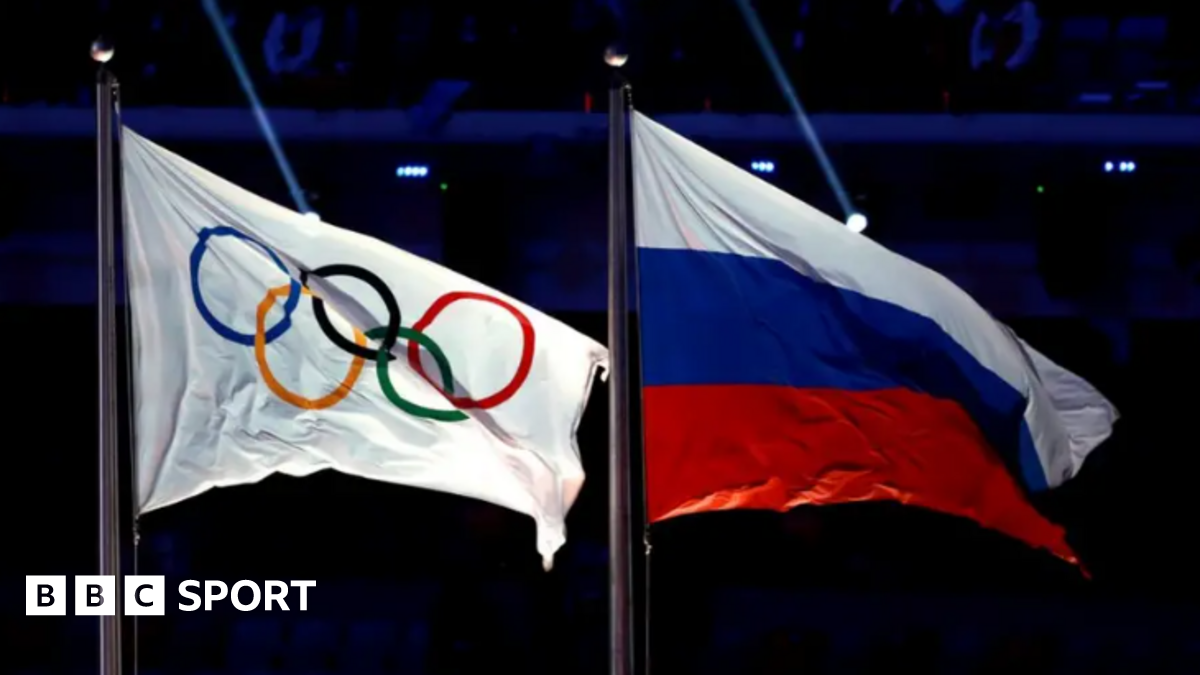
The Russian Olympic Committee (ROC) has announced it will provide cash payments to 116 athletes who were barred from competing in the Winter Olympics. This financial measure aims to compensate competitors who missed the Games due to sanctions and eligibility restrictions imposed on the Russian delegation.
The decision comes as Russia continues to navigate a complex landscape of international sporting bans. While some Russian athletes have been permitted to compete as “Neutral Individual Athletes” (AIN) under strict criteria, a significant number of the country’s winter sports stars remained ineligible for the most recent Olympic cycle. The ROC’s move to issue these payments serves as a state-backed safety net for athletes who lost potential medal bonuses and sponsorship opportunities.
According to reports from Russian state media and sports officials, these payments are designed to mirror the financial rewards typically granted to Olympic medalists. In the Russian system, Olympic success is often tied to substantial government grants and lifelong pensions, meaning a missed opportunity to compete represents a significant lifetime financial loss for an elite athlete.
Financial Compensation for Sanctioned Winter Athletes
The ROC is targeting 116 specific athletes for these disbursements. The payments are not merely stipends but are structured to offset the lack of competition-based earnings. Under normal circumstances, the Russian government provides tiered rewards based on the color of the medal won; by providing these cash payments, the ROC is attempting to mitigate the professional impact of the International Olympic Committee (IOC) restrictions.
The eligibility for these funds is tied to the athletes’ rankings and their documented ability to have qualified for the Winter Games had the sanctions not been in place. This ensures that the compensation reaches those who were at the peak of their competitive window. The move reflects a broader strategy by the Russian sports ministry to maintain athlete loyalty and keep high-performance training viable despite international isolation.
The Impact of IOC Neutrality Rules
The restriction of Russian athletes stems from the IOC’s response to the geopolitical situation following the invasion of Ukraine. The IOC implemented a framework allowing only those athletes who meet strict neutrality requirements—including no ties to military or government security agencies and no public support for the war—to participate. These athletes must compete without their national flag, anthem, or official team gear.
For many of the 116 athletes receiving payments, the barrier was not just the neutrality criteria but the blanket bans imposed by various International Federations (IFs). Some sports bodies took a harder line than the IOC, banning Russian competitors entirely regardless of their individual political stances. This created a disparity where some athletes could compete as neutrals while others were completely excluded from the Olympic stage.
Broader Implications for Russian Sport
This financial intervention by the ROC highlights the ongoing tension between international sporting governance and national athletic funding. By stepping in to pay athletes who cannot compete, Russia is effectively decoupling athlete welfare from international success. This allows the state to maintain its sports infrastructure even when its athletes are denied entry to the world’s largest sporting event.
The move also serves as a signal to other athletes across different disciplines—including summer sports—that the national committee will provide financial support if they are excluded from international competition. This reduces the incentive for athletes to switch nationalities to continue their careers, a trend that has been observed in several individual sports over the last two years.
The ROC has not yet released a detailed public ledger of the exact amounts paid to each of the 116 individuals, but the initiative is part of a larger effort to stabilize the domestic sports economy. As the international community continues to debate the role of Russian athletes in global competition, the ROC is prioritizing the financial security of its banned cohort.
The next official update regarding athlete eligibility and potential funding changes is expected during the next cycle of IOC executive board meetings, where the status of neutral participation will be reviewed for future events.
Do you think financial compensation makes up for the loss of an Olympic opportunity? Share your thoughts in the comments below.
Worth a look