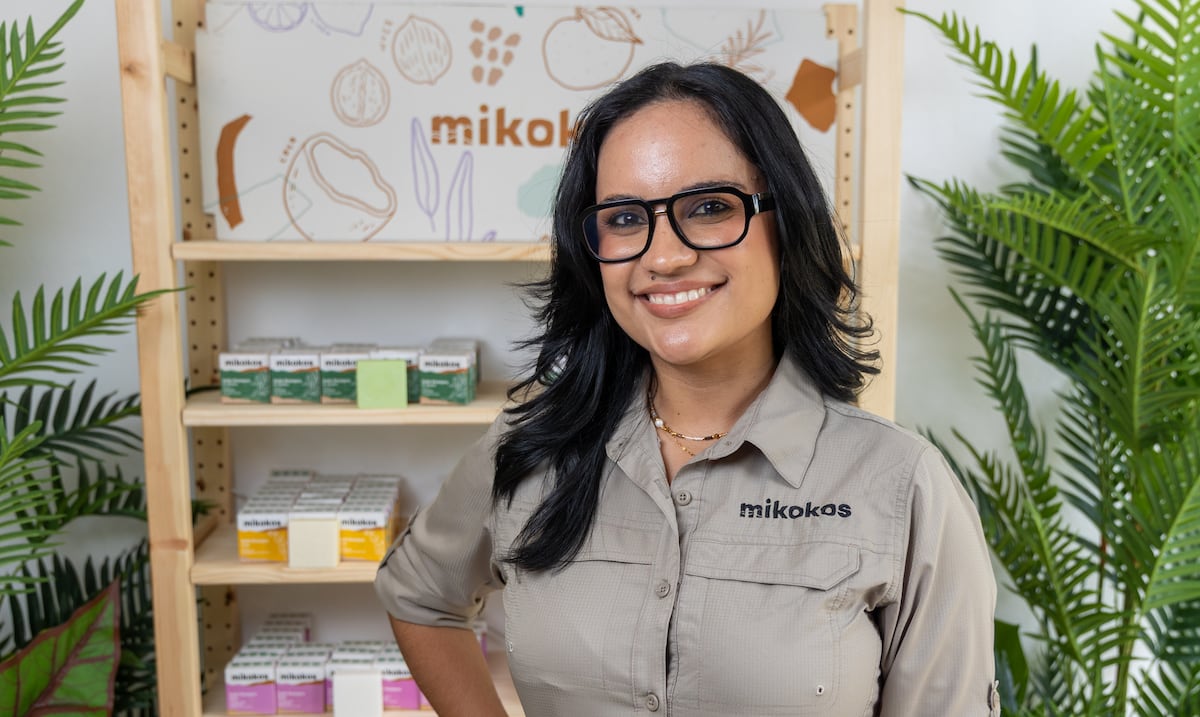
The transition of Mikokos from a home-based artisan project to a formalized manufacturing operation illustrates the broader trend of sustainable beauty entrepreneurs scaling operations to meet increasing consumer demand for plastic-free personal care. Founded as a small-batch operation, the brand has moved its production from residential facilities into a dedicated manufacturing space, a shift that marks a significant milestone in the company’s growth within the competitive natural cosmetics sector.
This expansion highlights the logistical and regulatory hurdles small businesses face when moving from a “kitchen-table” production model to industrial-scale manufacturing. For independent beauty brands, this transition often requires navigating complex supply chain management, quality control standards, and the scaling of specialized formulations that were previously crafted by hand.
The Evolution of Artisan Manufacturing
Mikokos began as a local initiative focused on the production of solid shampoos—a product category that has gained traction globally due to its reduced water usage and lack of plastic packaging. According to industry data from the Cosmetics Europe trade association, the shift toward sustainable and solid-format cosmetics is driven by a measurable change in consumer preference for environmentally conscious personal care products.
Moving production out of a residential setting is a critical inflection point for any cosmetics manufacturer. In many jurisdictions, this move necessitates adherence to Good Manufacturing Practices (GMP). As outlined by the U.S. Food and Drug Administration (FDA), which provides a globally recognized framework for such standards, manufacturers must ensure that facilities are designed to prevent contamination, maintain batch consistency, and ensure clear documentation of all ingredients and processes. For Mikokos, this transition represents the formalization of their quality assurance protocols.
Market Impact and Consumer Trends
The solid shampoo market is part of a larger movement toward “waterless” beauty, which reduces shipping weights and eliminates the need for plastic bottles. As noted by the World Bank, addressing plastic waste remains a primary global environmental policy goal, influencing how startups like Mikokos position their brands to eco-conscious demographics.
The move to a dedicated factory allows the brand to increase its production volume significantly. This scaling is essential for brands looking to move beyond direct-to-consumer sales and into retail distribution. By centralizing operations, the company can better manage inventory, optimize ingredient sourcing, and achieve the economies of scale necessary to lower unit costs while maintaining the artisanal quality that initially defined their products.
Operational Requirements for Scaling
Scaling a cosmetics business involves more than just physical space. It requires compliance with safety regulations, labeling requirements, and ingredient disclosure standards. In the European Union, for example, the EU Cosmetics Regulation (EC) No 1223/2009 mandates that all cosmetic products must be safe for human health and undergo a rigorous safety assessment by a qualified expert before being placed on the market. These regulations ensure that as production grows, the safety profile of the product remains consistent.
For entrepreneurs, the transition involves several key operational shifts:
- Supply Chain Stability: Moving from retail-bought ingredients to wholesale sourcing to ensure consistent supply.
- Quality Assurance: Implementing standardized testing for pH levels, microbial safety, and shelf-life stability in a controlled environment.
- Regulatory Compliance: Ensuring that the new facility meets local zoning laws and health department requirements for manufacturing chemical-based personal care products.
Strategic Growth and Future Milestones
The transition to a factory setting is often the precursor to market expansion. By establishing a dedicated facility, Mikokos has positioned itself to explore new distribution channels, including regional boutique retailers and potentially export markets. The ability to maintain a consistent, high-quality supply of solid shampoos will be the primary factor in determining the brand’s long-term viability in a market that is becoming increasingly crowded with both legacy beauty corporations and new, agile startups.
As the company settles into its new production facility, the next phase for the brand will likely involve optimizing manufacturing efficiency and expanding its product line to include complementary items, such as solid conditioners or body bars. Monitoring the company’s official communications and business filings will provide further updates on their expansion into new markets and product categories.
For consumers and industry observers, the trajectory of Mikokos serves as a case study in how small, values-driven enterprises can navigate the complexities of growth. Further developments regarding their manufacturing capacity or new retail partnerships will be shared as they become publicly available through official corporate announcements.
Have you observed a shift toward plastic-free beauty products in your local market? Share your thoughts in the comments section below.
Related reading