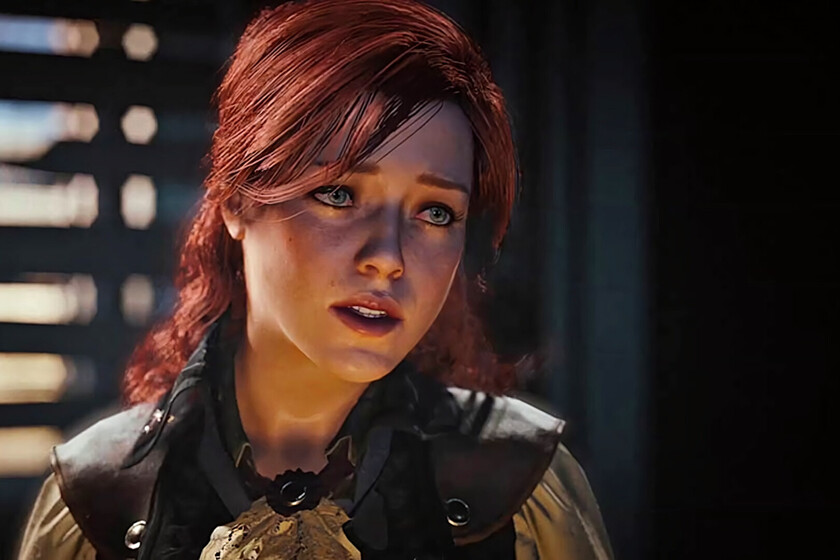
Assassin’s Creed Unity, released by Ubisoft in November 2014, remains one of the most polarizing entries in the long-running action-adventure franchise. While the title is frequently cited for its technical struggles at launch, a growing consensus among long-term players and industry observers points to its sophisticated parkour system and dense, atmospheric recreation of Revolutionary Paris as evidence of a title that was arguably ahead of its time.
According to official Ubisoft records, Assassin’s Creed Unity marked the series’ first major leap into the eighth generation of consoles, specifically the PlayStation 4 and Xbox One. The transition, however, was marred by significant performance issues, including frame rate instability and character model glitches that drew widespread criticism from both reviewers and the gaming community upon its November 11, 2014, release in North America.
The Technical Legacy of Revolutionary Paris
The criticism surrounding Unity at launch was primarily focused on the game’s stability. Reports from outlets such as Polygon documented extensive bugs, including the infamous “missing face” graphical errors and severe screen tearing. These technical hurdles overshadowed the ambition of the game’s design, which featured a 1:1 scale recreation of Paris and a new, more fluid navigation system.
In the years following its release, the conversation surrounding the game has shifted. The parkour mechanics, which allow players to descend buildings with controlled precision rather than the automated leaps found in later entries, are now frequently identified by series enthusiasts as the peak of the franchise’s movement engine. The complexity of these systems required a level of player input that Ubisoft later streamlined in subsequent titles like Assassin’s Creed Syndicate and the Origins trilogy.
Design Ambition vs. Development Constraints
The ambition of Unity extended beyond its movement. The game introduced a “Crowd Event” system and interior building exploration that provided a sense of scale rarely seen in open-world titles of that era. As noted in a review by IGN, the density of the city and the sheer number of NPCs on screen at once were unprecedented for the series in 2014.
However, the hardware limitations of the period struggled to maintain performance under these conditions. The decision to implement such high-density crowds and complex architectural interiors, while innovative, contributed directly to the frame rate drops that defined the game’s initial public reception. This tension between creative vision and technical reality has led many modern commentators to label the game as “misunderstood,” noting that the title functions much more smoothly on modern hardware via backward compatibility.
Impact on the Assassin’s Creed Franchise
The fallout from the Unity launch led to a significant shift in Ubisoft’s development strategy. Following the release, the company implemented a more rigorous quality assurance process and adjusted the release cadence for future titles. This period of reflection resulted in the year-long hiatus that preceded the 2017 release of Assassin’s Creed Origins, a move widely credited with stabilizing the series’ reputation.
Today, Assassin’s Creed Unity serves as a case study for the “cult classic” phenomenon within digital entertainment. While it remains linked to its troubled launch, the title is increasingly recognized for the very mechanics that once made it a target of industry scrutiny. The depth of the combat system and the verticality of its level design remain key pillars that developers continue to reference when discussing the evolution of the stealth-action genre.
Understanding the Current State of the Game
For players looking to revisit the title, the experience is notably different from the 2014 release. Subsequent patches and the increased power of current-generation hardware have largely mitigated the stability issues that plagued the game at launch.

- Navigation: The “Controlled Descent” parkour system remains unique to the Unity engine.
- Atmosphere: The recreation of Paris during the French Revolution is still considered a high-water mark for historical world-building in the franchise.
- Performance: Modern consoles and high-end PCs have largely solved the frame rate consistency problems noted in original 2014 reviews.
As the franchise moves toward future installments, the legacy of Assassin’s Creed Unity continues to be debated. Whether viewed as a cautionary tale of technical overreach or a bold experiment in world-building, the game’s influence on the series’ mechanical trajectory is undeniable. The next official update regarding the Assassin’s Creed franchise will come from Ubisoft’s upcoming investor briefings or future showcases regarding the Assassin’s Creed Shadows development cycle. Readers are encouraged to share their experiences with the title in the comments below.
Related reading