The U.S. Pentagon identified First Lieutenant Tyler James Feehan and soldier Isabella Gonzales as the two service members killed in a recent Iranian attack on Jordan’s Muwaffaq Salti Air Base. Meanwhile, Iran’s Revolutionary Guard announced simultaneous strikes against U.S. military assets in Bahrain and Kuwait, further intensifying the ongoing regional conflict.
Casualties and Military Response in Jordan
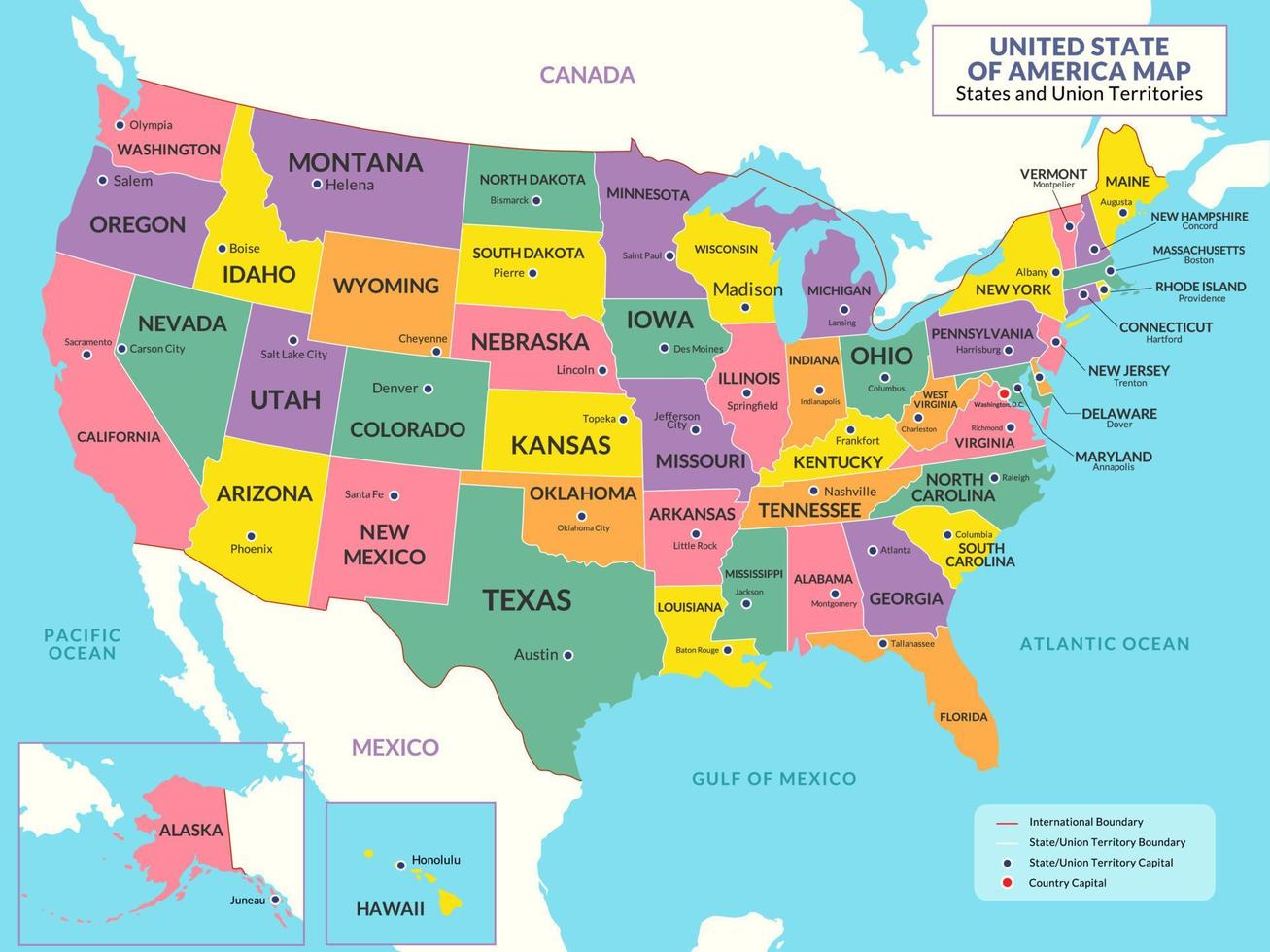
The U.S. First Lieutenant Tyler James Feehan, 25, of Ewa Beach, Hawaii, and 19-year-old Isabella Gonzales of Carrollton, Texas, died after an ataque enemigo (enemy attack), according to Elcomercio.
Feehan was assigned to the 32nd Army Air and Missile Defense Command at Fort Bragg, North Carolina, while Gonzales served with the 10th Army Air and Missile Defense Command based in Ansbach, Germany. The attack also resulted in four other U.S. soldiers sustaining injuries; officials stated these service members have since recovered and been discharged from medical care.
The incident marks a grim milestone in the current escalation, representing the first U.S. fatalities since the collapse of an informal ceasefire between Washington and Tehran roughly two weeks ago. Including a separate fatality and injury reported in northern Iraq on July 19, 2026, due to the detonation of an Iranian explosive, at least 17 U.S. military personnel have died since the U.S. and Israel initiated offensive operations against Iran on February 28, 2026.
Simultaneous Strikes on Bahrain and Kuwait
On Monday, July 20, 2026, the Islamic Revolutionary Guard Corps (IRGC) reported launching coordinated strikes against U.S. military installations in Bahrain and Kuwait.
For more on this story, see Two US Soldiers Killed in Iranian Strike on U.S. Base.
- Bahrain: The IRGC claimed the destruction of drone maintenance hangars at the Al-Sakhir Air Base. Additionally, the group reported that strikes on the Port of Salman destroyed infrastructure used by the U.S. Navy’s Task Force 59 (TF-59), causing significant damage to vessels.
- Kuwait: Iranian forces stated they successfully attacked and ignited facilities at Camp Arifjan used to support and equip U.S. special naval command units.
Diplomatic and Military Standoff
The recent exchange of fire underscores the fragility of peace efforts in the region, which remain stalled as both sides continue to engage in active combat. The conflict has been exacerbated by the blockade of the strategic Strait of Hormuz and various Iranian ports, which has significantly hampered diplomatic progress.
As of July 20, 2026, the situation remains highly volatile. The U.S. military continues to investigate the specific circumstances surrounding the attack in Jordan, while the broader conflict shows no immediate signs of de-escalation.
Sources: AA.
Sources: Elcomercio.
Worth a look