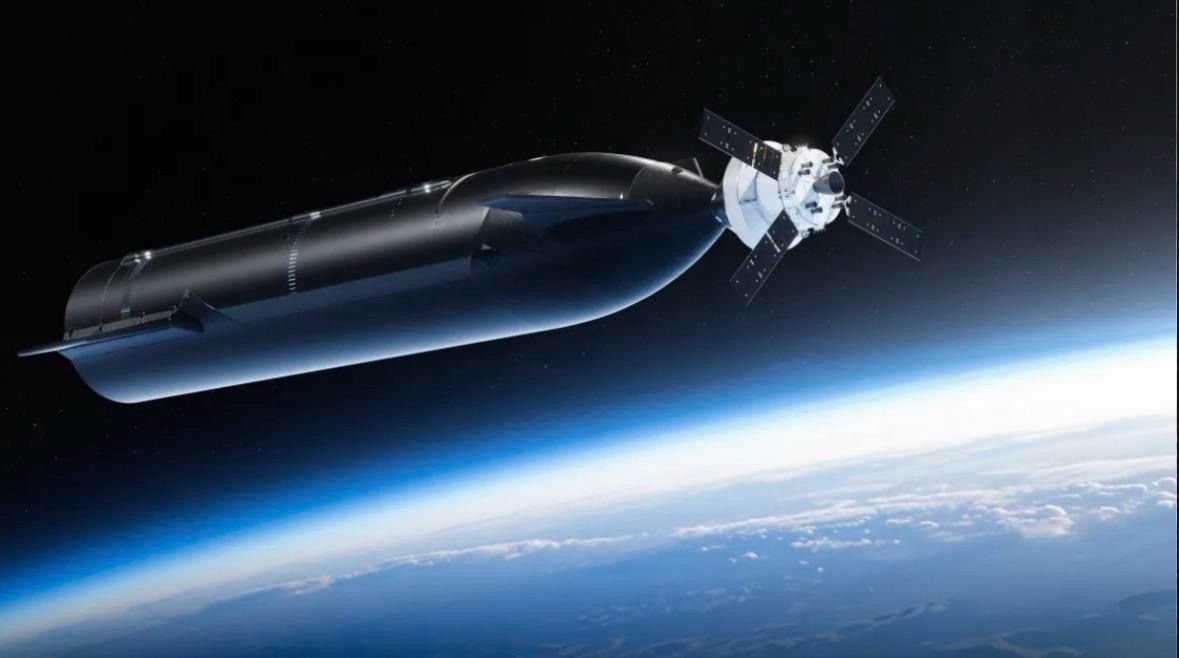
NASA’s Artemis III mission, currently scheduled for 2027, is set to become one of the most complex spaceflights in history. The mission will serve as a critical orbital dress rehearsal
for the Artemis program, tasking a four-person crew with performing a series of sophisticated rendezvous and docking operations with two separate commercial lunar landers in low Earth orbit (LEO).
A Complex Multi-Spacecraft Campaign
According to a NASA update, the Artemis III mission involves a highly choreographed sequence of events requiring coordination across multiple launch pads and agencies. The mission will utilize three of the world’s most powerful rockets: NASA’s Space Launch System (SLS), SpaceX’s Starship, and Blue Origin’s New Glenn.
The campaign requires the launch of the landers ahead of the crewed Orion spacecraft. Blue Origin’s Blue Moon lander is expected to launch first from Space Launch Complex-36 (SLC-36) at the Cape Canaveral Space Force Station (CCSFS) aboard a New Glenn rocket. Once in orbit, the Blue Moon lander is capable of remaining in space for up to 30 days, allowing ground teams to verify its condition and functionality. Subsequently, the SLS will launch from Launch Complex-39B at the Kennedy Space Center (KSC), carrying the Orion capsule and its crew to rendezvous with the prepositioned landers.
Artemis III Crew Objectives
The crew assigned to this mission includes NASA commander Randy Bresnik, pilot and European Space Agency (ESA) astronaut Luca Parmitano, and NASA mission specialists Andre Douglas and Frank Rubio. The flight is expected to last approximately two weeks.
For more on this story, see Blue Origin New Glenn Rocket Explosion: Impact on NASA’s Artemis Program and Moon Missions.
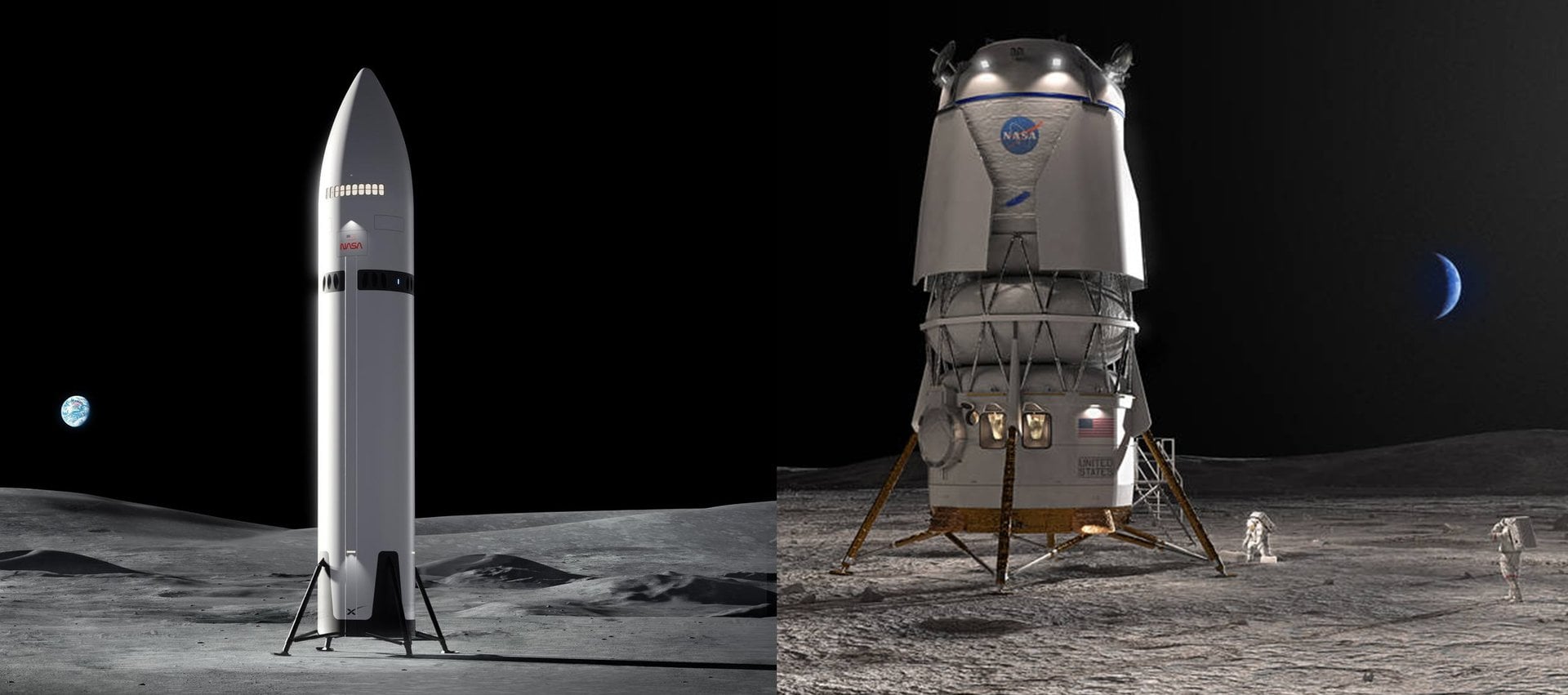
During the mission, the crew will practice docking maneuvers with both the SpaceX Starship and the Blue Origin Blue Moon test articles. While the astronauts will enter the Blue Moon lander to test its systems, they will not enter the Starship test vehicle. The Blue Moon lander will be equipped with an Environmental Control and Life Support System (ECLSS), a crew cabin, and avionics to ensure the demonstration translates to future crewed lunar flights. Additionally, the Blue Moon craft will carry an instrumented “Moonikin”-style spacesuit mass simulator to provide real-time environmental data from within the cabin.
Preparing for the Lunar Surface
The operational data gathered from these orbital tests is intended to support the safety and success of the Artemis IV mission, which is targeted for 2028 and aims to return astronauts to the lunar surface for the first time since 1972.
This follows our earlier report, NASA Accelerates Construction of Lunar Base for New Era of Moon Exploration.
NASA officials, including Steve Creech, program manager of the Human Landing System Program at Marshall Space Flight Center, have noted that both SpaceX and Blue Origin are utilizing test versions of their landers for this mission. SpaceX is preparing a version of its Starship, designated V3, which will feature a docking system on its nose to interface with Orion. Blue Origin is utilizing its Mark 2 crew lander architecture.

The mission’s success depends on mastering these orbital maneuvers, which involve complex collaboration between commercial partners and NASA’s ground and flight crews. As noted by Space, only one previous mission in human spaceflight history, the 1986 Soyuz T-15 mission, involved docking with multiple spacecraft capable of supporting crews. Artemis III aims to surpass this by coordinating multiple launch vehicles and commercial systems to pave the way for a permanent presence on the Moon.
Read also: SpaceX to Launch Starship Flight 13 Today to Test Engines and Deploy Satellites.
Technical and Operational Challenges
The dual-launch campaign
presents significant logistical hurdles, including resource constraints such as nitrogen gas availability across different ranges and the alignment of overlapping infrastructure at KSC and CCSFS. According to NASA, the mission will test ground processing, launch crews, facilities, and control centers across the country. These tests are essential, as the agency must ensure that the hardware and flight software are fully matured before committing to a crewed lunar landing.