
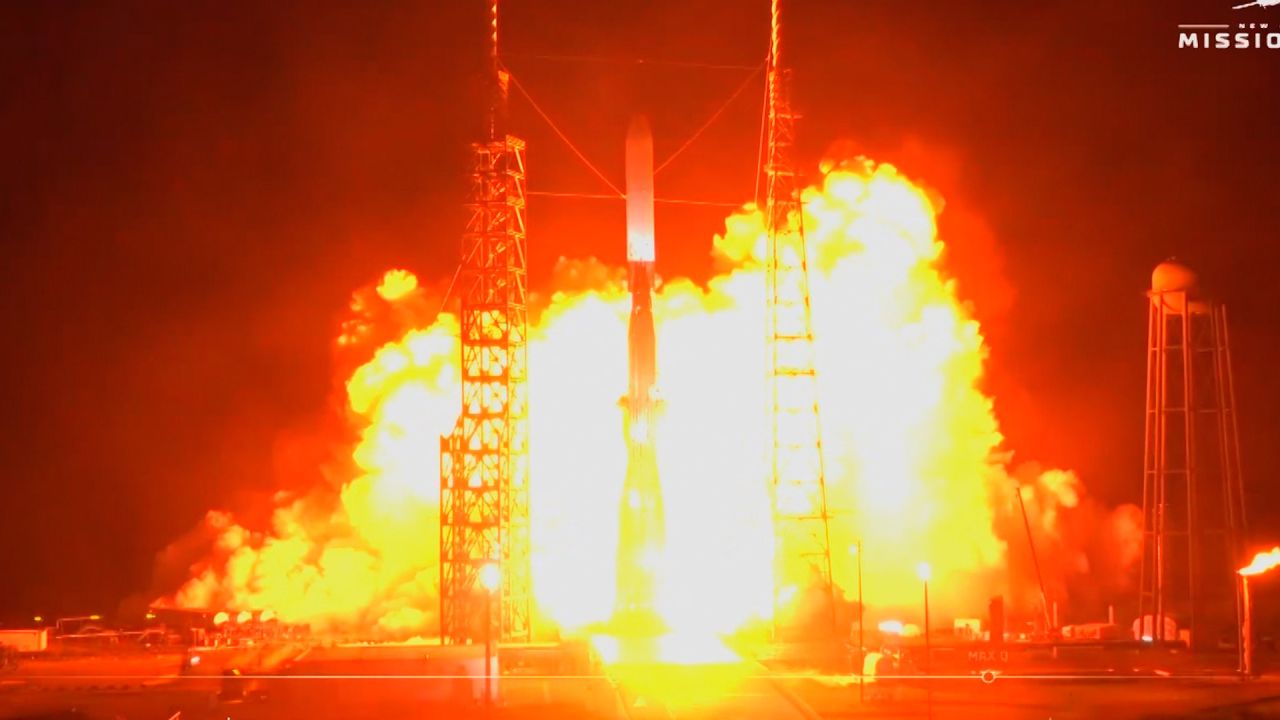
Blue Origin is currently investigating the cause of a catastrophic ground-based explosion involving its New Glenn rocket, an incident that occurred at the company’s Launch Complex 36 (LC-36) facility at Cape Canaveral Space Force Station in Florida. The event, which took place during integrated testing, resulted in significant damage to the primary launch infrastructure, prompting an ongoing review by federal regulators and company engineers to determine the timeline for future operations.
The incident represents a critical setback for the heavy-lift vehicle, which is designed to compete in the commercial and government launch markets. While the company has indicated an intent to resume operations at the site, the extent of the structural damage to the launch pad remains a central focus for industry observers and stakeholders monitoring the development of the Artemis program and other national security launch requirements.
Current Status of the Launch Complex 36 Investigation
Following the explosion, the Federal Aviation Administration (FAA) initiated an oversight process to ensure public safety and determine the root cause of the anomaly. According to official FAA statements, the agency maintains jurisdiction over commercial space transportation and must approve any return-to-flight plans after a mishap occurs at a licensed facility. The investigation involves a multi-disciplinary team tasked with reviewing telemetry data, ground sensor logs, and physical debris recovered from the site.

Blue Origin leadership has publicly stated that the company is working to restore launch capabilities. Although initial corporate communications suggested an aggressive recovery schedule, technical experts in the aerospace sector have noted that the restoration of launch infrastructure—particularly fluid systems and pad-mounted support equipment—often requires extensive safety recertification. The company has not yet released a definitive date for the next wet dress rehearsal or launch attempt, as they must first satisfy the corrective action requirements mandated by the FAA.
Implications for NASA’s Artemis Program
The New Glenn vehicle is slated to play a supporting role in the broader lunar exploration ecosystem, though it is not the primary launch vehicle for the Space Launch System (SLS) used in the Artemis missions. NASA’s Artemis III and IV missions rely on the SLS and the Orion spacecraft to transport crews to lunar orbit. The potential delay of the New Glenn rocket primarily affects the commercial delivery of hardware and supplies intended for the Lunar Gateway and future surface operations.
NASA officials have previously noted that the agency maintains a diverse portfolio of launch providers to mitigate risk. According to the NASA Artemis program overview, the agency’s strategy relies on both internal heavy-lift capabilities and competitive commercial bidding. While the New Glenn delay creates a temporary shortfall in expected launch capacity, NASA continues to coordinate with other providers, such as SpaceX and United Launch Alliance, to fulfill existing contractual obligations for cargo and scientific payloads.
Commercial Competition and Industry Trends
The New Glenn rocket is designed to provide a reusable heavy-lift option for commercial satellites and planetary missions. Its primary competition includes the SpaceX Falcon Heavy and the Vulcan Centaur. Industry analysts observe that the loss of a launch pad, even temporarily, underscores the inherent volatility of spaceport operations. The United States Space Force, which manages the Cape Canaveral launch range, has emphasized that safety protocols at these facilities are designed to contain such incidents and protect the surrounding infrastructure.
For commercial customers, the primary concern remains the reliability of the launch manifest. Many clients have signed multi-year agreements with Blue Origin, and the company is now faced with the challenge of rescheduling these missions while simultaneously repairing the launch pad. The Blue Origin news portal serves as the official channel for updates regarding revised launch windows and contractual adjustments as they become available.
Anticipated Developments
The next major milestone for the program will be the release of the final incident report by the FAA and the subsequent submission of a formal return-to-flight plan by Blue Origin. Until this report is finalized, the facility at LC-36 remains under restricted access for investigation purposes. Interested parties can monitor official filings through the FAA’s commercial space transportation regulatory updates page for information regarding the status of the launch license.

As the investigation continues, the focus remains on the structural integrity of the pad and the diagnostic findings related to the rocket’s propulsion systems. Industry stakeholders and the public are encouraged to follow official company releases for the most accurate timeline regarding future operations. We invite readers to share their analysis or questions regarding the impact of these developments on the commercial space sector in the comments section below.
Related reading