/https://i.s3.glbimg.com/v1/AUTH_da025474c0c44edd99332dddb09cabe8/internal_photos/bs/2026/T/0/t4BFuKSRa7LPUuoVnqmw/arte-36-.png)
A viral photograph capturing the moon appearing to “smile” alongside the Christ the Redeemer statue in Rio de Janeiro has drawn global attention, prompting the photographer to share the technical challenges behind the precision shot. Leonardo Sens, the professional responsible for the image, captured the celestial alignment on June 15, 2024, from the beach of Icaraí in Niterói, a city located across the bay from Rio.
The image, which shows the crescent moon positioned perfectly to the side of the statue’s head, required meticulous planning and favorable weather conditions. According to reporting from major outlets documenting the event, Sens spent years studying the lunar trajectory to time the shot, which relies on the specific positioning of the observer relative to the statue and the moon’s orbital path. The geographic distance between the photographer and the monument—roughly 11 kilometers—was essential to achieve the desired scale and alignment.
Technical Precision and Planning
Capturing the moon in precise alignment with iconic landmarks, a practice often referred to as “moon framing,” involves significant computational planning. Sens noted that he had attempted this specific composition multiple times over the past three years. The successful shot was made possible by the use of specialized photography equipment, including a high-zoom telephoto lens, which allows for the compression of the perspective between the foreground monument and the distant celestial body.
The alignment is fleeting, lasting only a few minutes as the moon moves across the horizon. Observers interested in the mechanics of such shots can consult official astronomy resources, such as the Time and Date astronomical portal for Rio de Janeiro, which provides data on lunar phases and rise times. The interaction between the observer’s latitude and the moon’s declination determines whether the alignment appears “centered” or “smiling” from a specific vantage point.
The Role of Atmospheric Conditions
Beyond the geometric alignment, the clarity of the image was dependent on atmospheric stability. According to meteorological data provided by the National Institute of Meteorology (INMET), clear skies over the Guanabara Bay are necessary for such high-contrast photography. Humidity and particulate matter in the air can often blur the edges of the moon or obscure the details of the Christ the Redeemer statue, which stands 30 meters tall atop Corcovado Mountain.
Sens utilized a tripod to ensure stability during the long-exposure process, which is necessary to capture both the ambient light of the city and the lunar surface detail simultaneously. This method of photography—blending astronomical tracking with terrestrial landmarks—has become increasingly popular among enthusiasts who use apps to simulate the moon’s position relative to the Earth’s surface.
Cultural Significance of the Monument
Christ the Redeemer, an Art Deco statue completed in 1931, remains one of the most photographed locations in the world. Its status as an official Wonder of the Modern World draws millions of visitors annually, according to official records from the City of Rio de Janeiro municipal government. The statue is managed by the Archdiocese of Rio de Janeiro, which oversees the site’s preservation and public access.
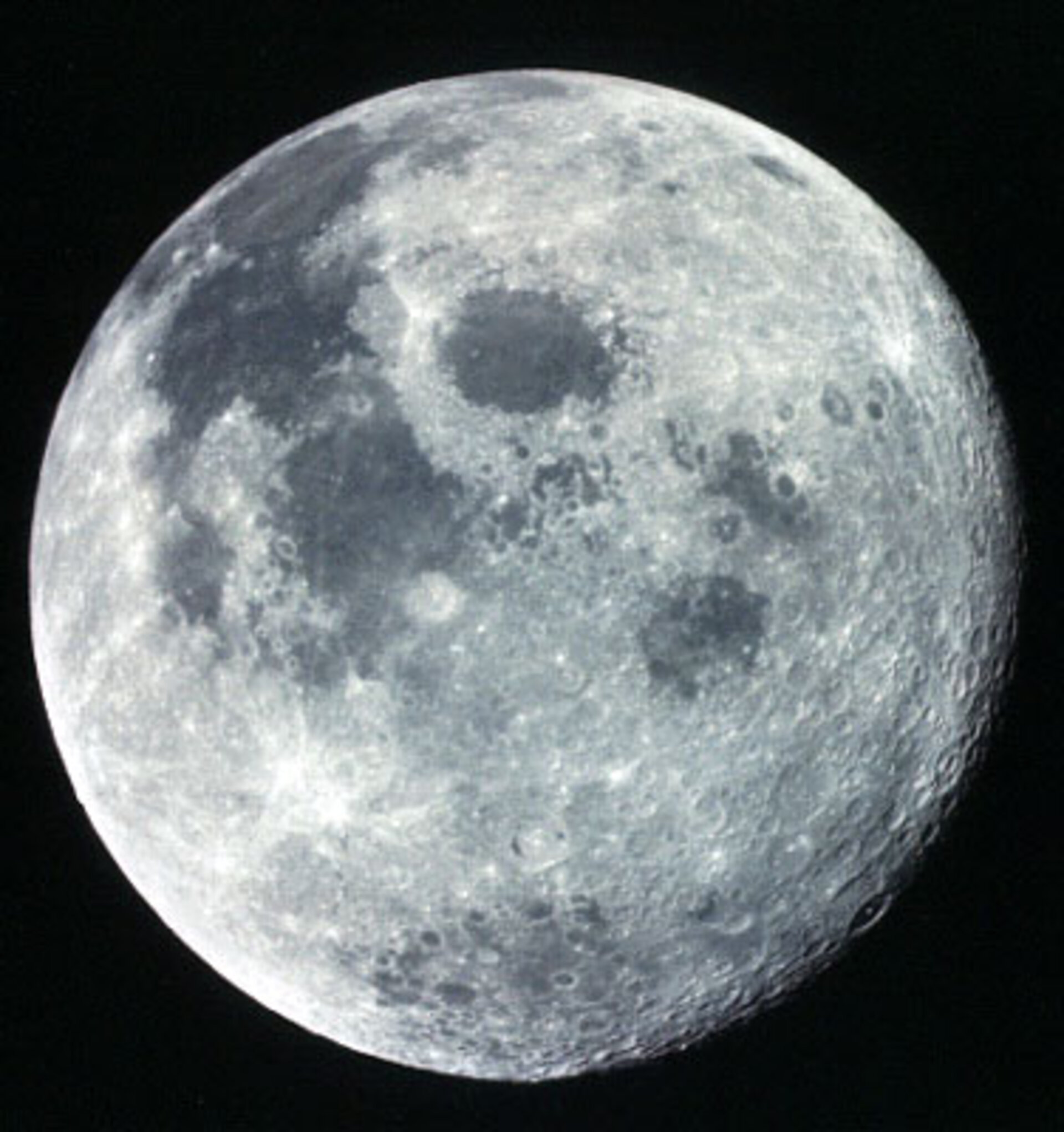
The viral nature of the photograph highlights the ongoing interest in amateur astrophotography. By sharing the “behind-the-scenes” process, Sens provided insight into the intersection of mathematics, geography, and artistic timing. Such images serve as a reminder of the complex orbital mechanics that govern the appearance of the night sky, even when viewed from densely populated urban environments.
Next Steps for Sky Observers
For those interested in tracking future celestial events in Brazil, the Ministry of Science, Technology and Innovation regularly publishes calendars regarding eclipses, conjunctions, and lunar phases. Enthusiasts aiming to replicate similar shots are encouraged to use public planning tools to determine the precise location and timing required for their specific geographic coordinates.
Readers are invited to share their own experiences with astrophotography or thoughts on this alignment in the comments section below. Further updates regarding astronomical events in the region will be provided as official schedules are released by national observatories.
Related reading