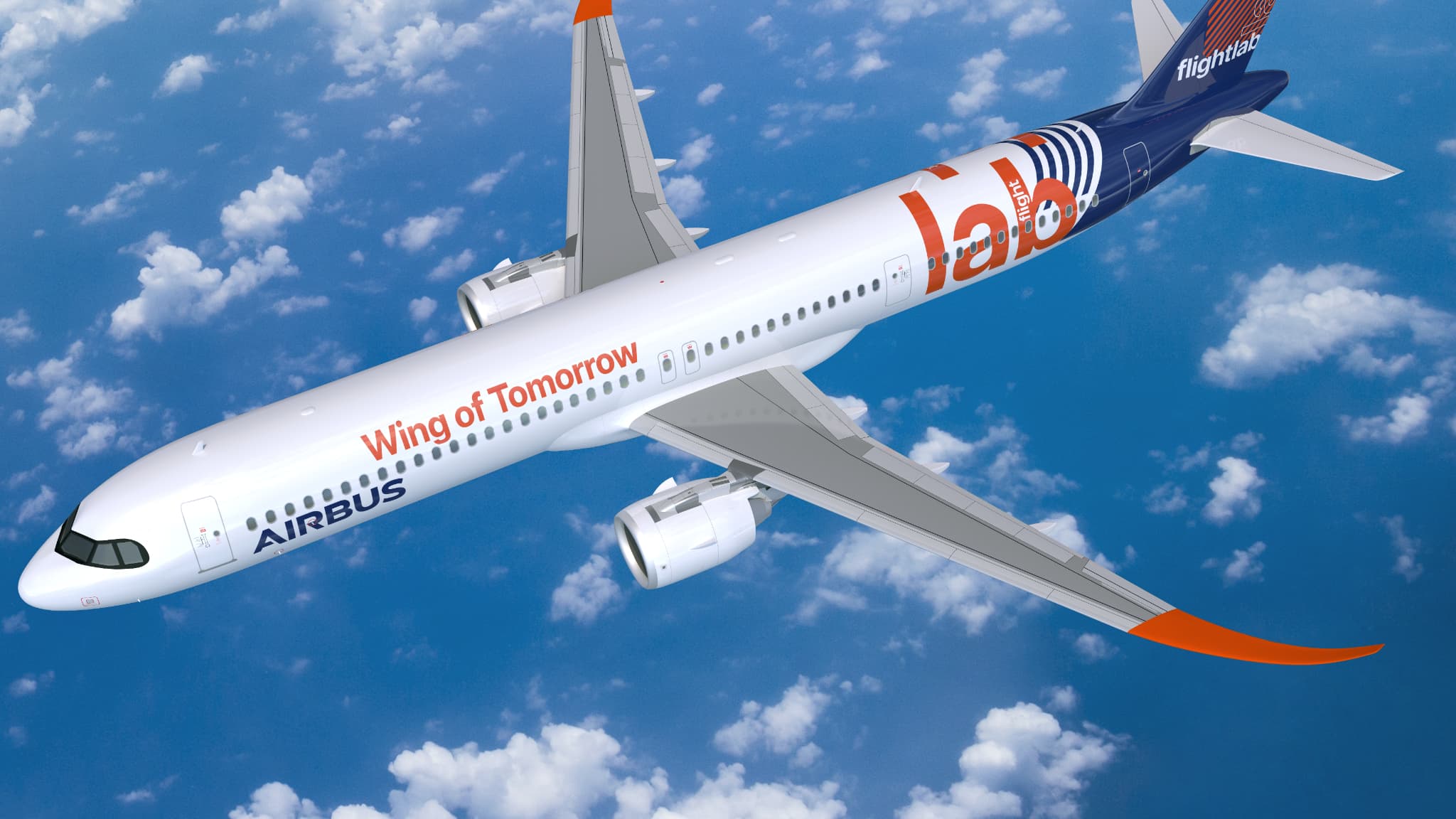
Airbus is accelerating its transition to sustainable aviation, confirming plans to launch a flight demonstrator for its next-generation aircraft program before the end of the year. This initiative is a central pillar of the company’s broader strategy to replace the A320 family with a more efficient, potentially hydrogen-powered aircraft by 2035. As the aviation industry faces increasing pressure to reduce its carbon footprint, this demonstrator serves as a critical testing ground for aerodynamic and propulsion technologies designed to significantly lower fuel consumption and emissions.
The development of a successor to the A320—the world’s best-selling single-aisle aircraft—represents one of the most significant engineering challenges in modern aerospace. According to official statements from Airbus regarding its ZEROe project, the goal is to bring a zero-emission commercial aircraft to market by 2035. The flight demonstrator scheduled for late 2024 is intended to validate these advanced designs in real-world conditions, providing engineers with the data necessary to scale these concepts for long-haul and short-haul commercial fleets.
Engineering the Future of Single-Aisle Efficiency
The core objective of the 2035 aircraft program is to achieve a substantial reduction in CO2 emissions compared to current-generation narrow-body jets. Airbus has focused on several key technical areas, including the integration of hydrogen propulsion systems and the optimization of wing designs to reduce drag. The upcoming flight demonstrator will test these configurations, which are designed to improve fuel efficiency by at least 20% compared to existing models currently in operation, according to industry reporting on the company’s long-term sustainability goals.
Transitioning from traditional kerosene-based engines to hydrogen requires a complete rethink of aircraft architecture. Because liquid hydrogen requires significantly more storage space than conventional fuel, engineers are exploring various fuselage designs, including “blended-wing-body” concepts that prioritize internal volume and aerodynamic stability. Testing these configurations in flight is essential to determine how they handle turbulence, weight distribution, and high-altitude performance, ensuring that safety standards remain as rigorous as those for the A320neo family.
Strategic Impact on the Aviation Industry
The push toward 2035 is not merely a technological endeavor but a strategic response to global climate mandates. With the European Union’s “Fit for 55” package aiming to reduce net greenhouse gas emissions by at least 55% by 2030, aerospace manufacturers are under intense regulatory pressure to accelerate decarbonization, as detailed by the European Commission’s policy framework on the European Green Deal. Airbus’s ability to successfully demonstrate these technologies will likely influence the investment strategies of major airlines, which are currently weighing fleet renewal plans against the availability of sustainable aviation fuels and new engine technologies.
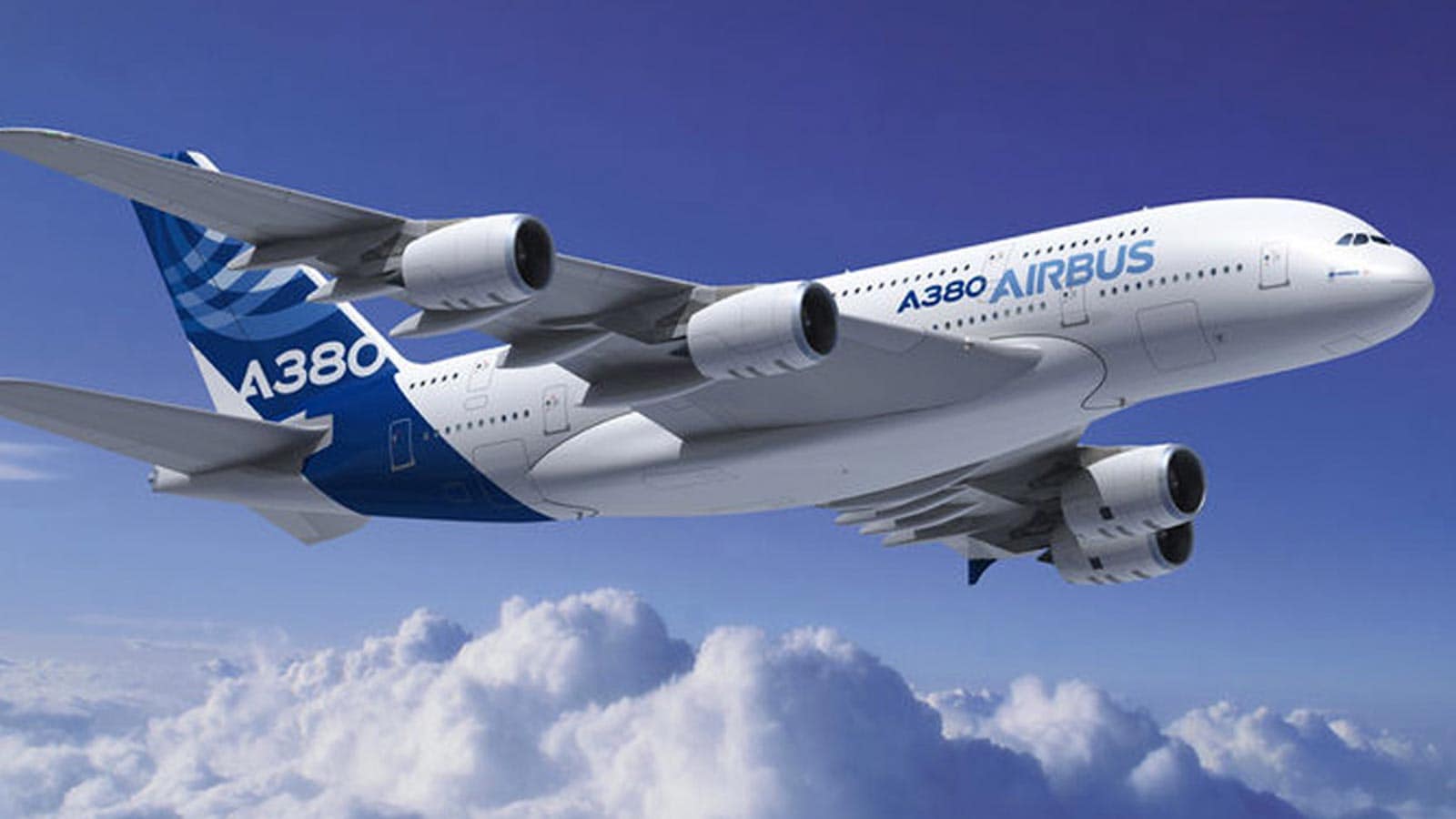
The project also highlights the shift in supply chain dynamics. Developing a hydrogen-powered successor requires partnerships with energy companies to ensure a supply of green hydrogen at airports. Airbus has already initiated collaborations with various international energy providers to study the feasibility of hydrogen hubs at major transit points, aiming to create the infrastructure necessary to support a new generation of aircraft by the mid-2030s.
Technical Challenges and Testing Milestones
Before the 2035 deadline, the company faces a series of technical hurdles. The most immediate is the validation of the combustion system. Hydrogen burns differently than jet fuel, requiring new fuel injection systems and combustion chambers that can withstand different thermal profiles. The flight demonstrator will utilize a modified testbed aircraft to measure these variables, marking a transition from laboratory-based computer simulations to physical, atmospheric testing.

The aerospace sector is closely monitoring these developments, as the success of the A320 successor will set a benchmark for the entire industry. As noted by the International Civil Aviation Organization (ICAO), the adoption of new propulsion technologies is critical to meeting the long-term goal of net-zero carbon emissions in aviation by 2050. The data gathered from the flight demonstrator will be instrumental in finalizing the design specifications for the 2035 fleet, effectively dictating the direction of aircraft manufacturing for the next several decades.
As the end of the year approaches, stakeholders are awaiting official updates regarding the specific location and flight parameters of the demonstration. Airbus typically releases technical briefings following the completion of major test phases; these updates will provide the next verified checkpoint for the program’s progress. We will continue to monitor these developments as they unfold. Please share your thoughts on the future of hydrogen-powered aviation in the comments below.
Keep reading