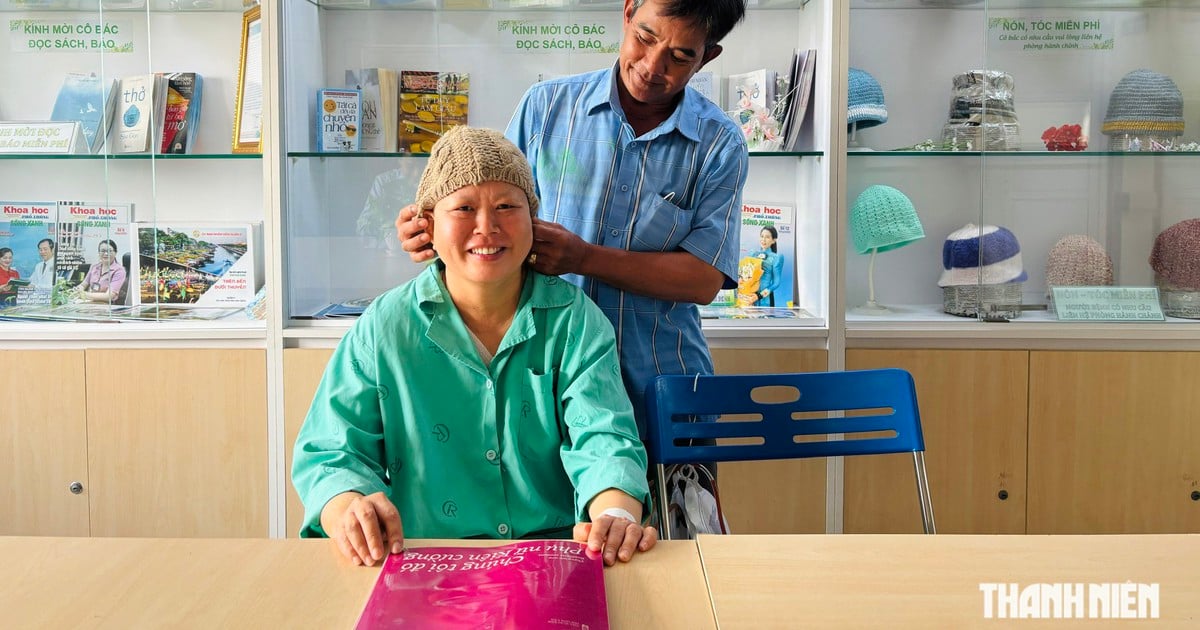
Cho Ray Hospital, a leading tertiary care facility in Ho Chi Minh City, Vietnam, has expanded its specialized support for oncology patients through the integration of dedicated communal spaces within its breast cancer treatment units. By establishing specialized living areas—such as the facility located on the 7th floor of the breast center—the hospital aims to improve the psychological well-being and recovery environment for patients undergoing intensive cancer treatment, according to reports from the Vietnam News Agency.
As a physician and journalist, I have observed that the intersection of clinical excellence and patient-centered design is a critical component of modern oncology. Cho Ray Hospital, which serves as a major medical hub under the authority of the Vietnamese Ministry of Health, manages a high volume of complex medical cases, including advanced oncology treatments that require prolonged inpatient stays. The implementation of these “living spaces” reflects a broader shift in Vietnamese public health strategy toward holistic care models that address both the physiological and emotional needs of cancer patients.
Enhancing Patient Experience in Oncology Care
The specialized area on the 7th floor of the breast center is designed to offer patients a reprieve from the clinical atmosphere of traditional hospital wards. According to official documentation regarding hospital operations at Cho Ray, providing such environments is intended to reduce the anxiety often associated with long-term chemotherapy and surgical recovery. This initiative aligns with global standards for “healing architecture,” which emphasizes the importance of natural light, social interaction, and non-clinical space in improving patient outcomes, as noted by the World Health Organization (WHO) in their guidance on patient safety and hospital environment design.
For patients navigating the complexities of breast cancer treatment, these communal zones serve as hubs for peer support. Oncology nursing staff at the facility report that these areas allow patients to share experiences, which can be a vital component of the coping process. The integration of these spaces within the treatment zone ensures that patients remain close to clinical care while benefiting from a more comfortable and less institutionalized setting.
Cho Ray Hospital’s Role in Vietnam’s Healthcare System
Cho Ray Hospital is one of the largest and most significant healthcare institutions in Southern Vietnam. It functions as a primary referral hospital for the region, handling a wide range of specialties including oncology, cardiology, and trauma surgery. The hospital operates under the oversight of the Ministry of Health, which sets the regulatory framework for hospital infrastructure and patient care standards across the country, as detailed on the official portal of the Ministry of Health of Vietnam.
The development of specialized oncology zones is part of a larger, ongoing effort to modernize medical infrastructure in Vietnam. With the increasing prevalence of non-communicable diseases, including various forms of cancer, the burden on tertiary care centers has grown significantly. By optimizing internal space to include patient-support areas, Cho Ray is addressing the need for more humane and efficient delivery of care. This approach is consistent with the government’s stated goals in the National Strategy for Prevention and Control of Cancer, which emphasizes both early detection and the improvement of treatment quality for all patients.
Addressing the Needs of Cancer Patients
The treatment of breast cancer at a facility like Cho Ray typically involves a multidisciplinary approach, combining surgery, chemotherapy, radiation therapy, and hormonal therapy. The emotional impact of these treatments can be substantial. Research consistently shows that patient-centered environments—those that prioritize privacy, comfort, and access to support networks—can positively influence recovery trajectories. The specific inclusion of a dedicated living zone at the breast center is a practical application of these findings.
Patients and their families are encouraged to utilize these spaces to engage with hospital staff and support groups. By fostering a sense of community, the hospital aims to mitigate the isolation that often accompanies intensive oncological treatment. For those seeking information on patient rights and hospital services in Vietnam, the official website of Cho Ray Hospital provides regular updates on clinical capabilities and patient support protocols.
Future Directions and Patient Resources
As Cho Ray Hospital continues to adapt to the evolving demands of oncology care, the focus remains on balancing high-acuity medical intervention with supportive care services. Future updates regarding the expansion of these facilities or changes to patient care protocols will be communicated through the hospital’s official channels and the Ministry of Health’s public portal. Patients and their families are advised to consult with their attending physicians or the hospital’s patient relations office for the most accurate information regarding current services and support availability.
The ongoing commitment to improving the patient experience within the breast center is indicative of the broader trends in Vietnamese healthcare. Through the combination of rigorous clinical standards and the thoughtful design of patient spaces, institutions like Cho Ray are working to provide comprehensive care for individuals facing the challenges of a cancer diagnosis. We invite our readers to share their thoughts on the importance of patient-centered design in hospital settings in the comments section below.