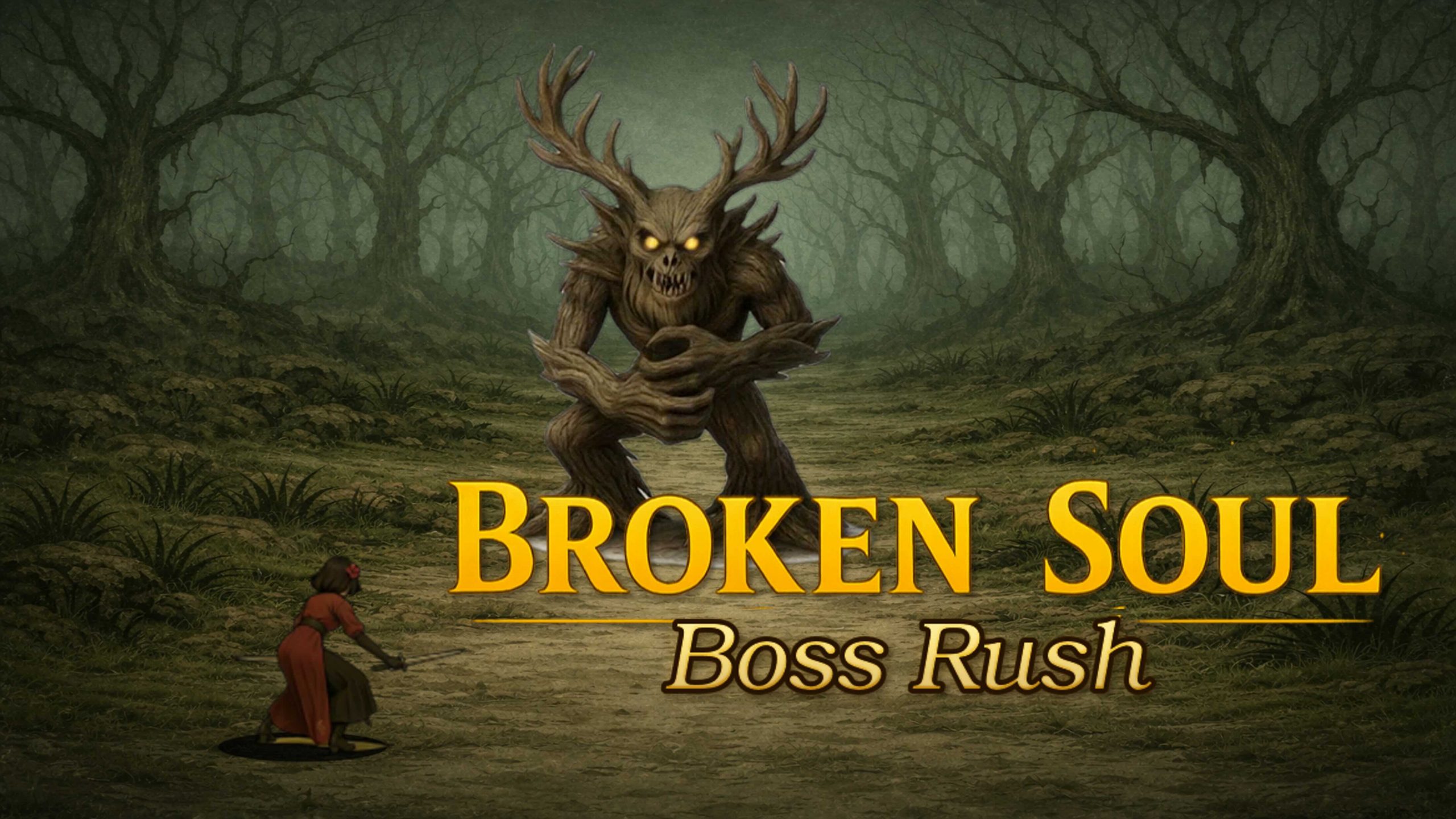
Broken Soul: Boss Rush, a recent entry in the indie gaming market, marks a significant milestone for its creator, a solo developer who transitioned into game design from a non-programming background. The title, characterized by the challenging mechanics typical of the “Souls-like” subgenre, focuses exclusively on high-stakes boss encounters, stripping away traditional exploration to emphasize mechanical mastery and pattern recognition.
Developed as a passion project, the game reflects a growing trend in the independent sector where individuals leverage accessible game engines and self-taught programming skills to bring niche concepts to market. For many in the industry, the success—or even the completion—of such a project by a first-time developer without formal computer science training serves as a case study in the democratization of game development tools.
The Mechanics of Boss Rush Design
At its core, Broken Soul: Boss Rush follows the established conventions of the Soulslike genre: demanding combat, stamina management, and high-penalty failure states. By focusing specifically on a “boss rush” format, the developer has removed the interstitial world-building and traversal elements, concentrating the player’s experience into a series of increasingly difficult combat trials. According to independent analysis of the title’s structure, this design choice allows for more granular tuning of boss attack patterns and hitbox precision, which are the primary pillars of the genre’s appeal.
The transition from a non-technical background to full-stack development is a recurring narrative in the indie scene. Tools such as Unity and Unreal Engine have significantly lowered the barrier to entry, allowing creators to focus on design logic and art assets rather than low-level memory management or custom engine architecture. For a solo developer, this shift means that the “Souls-like” label is not just a marketing term, but a commitment to a specific, high-difficulty gameplay loop that requires rigorous playtesting.
The Rise of Solo Indie Development
The development of Broken Soul: Boss Rush highlights the challenges of solo production, particularly regarding scope management. In an environment where major studios spend years on AAA titles, solo developers often succeed by limiting their scope to ensure the final product is polished and functional. This approach is frequently lauded by critics as it allows for a singular, cohesive vision that is rarely diluted by the compromises inherent in large-scale team development.
Data from industry observers suggest that the “Souls-like” genre has seen a massive influx of indie interest since the commercial success of titles like Elden Ring and the earlier Dark Souls series. By narrowing the focus to boss battles, independent creators can avoid the massive overhead costs associated with creating expansive open worlds, instead focusing their limited resources on the combat systems that define the genre’s player experience. This strategy has proven effective for developers looking to build a portfolio and establish a reputation within the competitive Steam and itch.io ecosystems.
What This Means for Future Indie Titles
The release of this title serves as a practical example for aspiring developers who lack formal degrees in software engineering. The industry standard for success in this space is no longer tethered to a traditional computer science education from institutions like Stanford or MIT; rather, it is increasingly defined by the ability to utilize digital documentation, community forums, and modular development assets effectively. As noted in recent industry updates, the ease of access to these resources has created a more diverse, albeit more crowded, marketplace for indie games.
For players, the influx of these titles provides a constant stream of challenging, low-cost options that satisfy the demand for high-difficulty gaming. However, it also places a greater burden on the consumer to identify high-quality projects among a sea of similar releases. The success of Broken Soul: Boss Rush will likely depend on its ability to distinguish its combat mechanics from established competitors through unique boss design and responsive controls.
Next Steps for the Developer
Following the initial launch, the developer is expected to monitor community feedback regarding balance adjustments and potential bug fixes. In the indie space, post-launch support is often the primary factor that determines a game’s long-term reception and player retention. Future updates will likely be communicated through official developer logs on the game’s primary distribution page, which serves as the central hub for community interaction and patch notes.
As the developer gathers data on player performance and common points of friction, further balancing of boss difficulty is anticipated. Players interested in the ongoing evolution of the game should monitor official forums for announcements regarding upcoming content patches or performance improvements. If you have played the game or have thoughts on the rise of solo-developed Souls-likes, feel free to share your perspective in the comments section below.