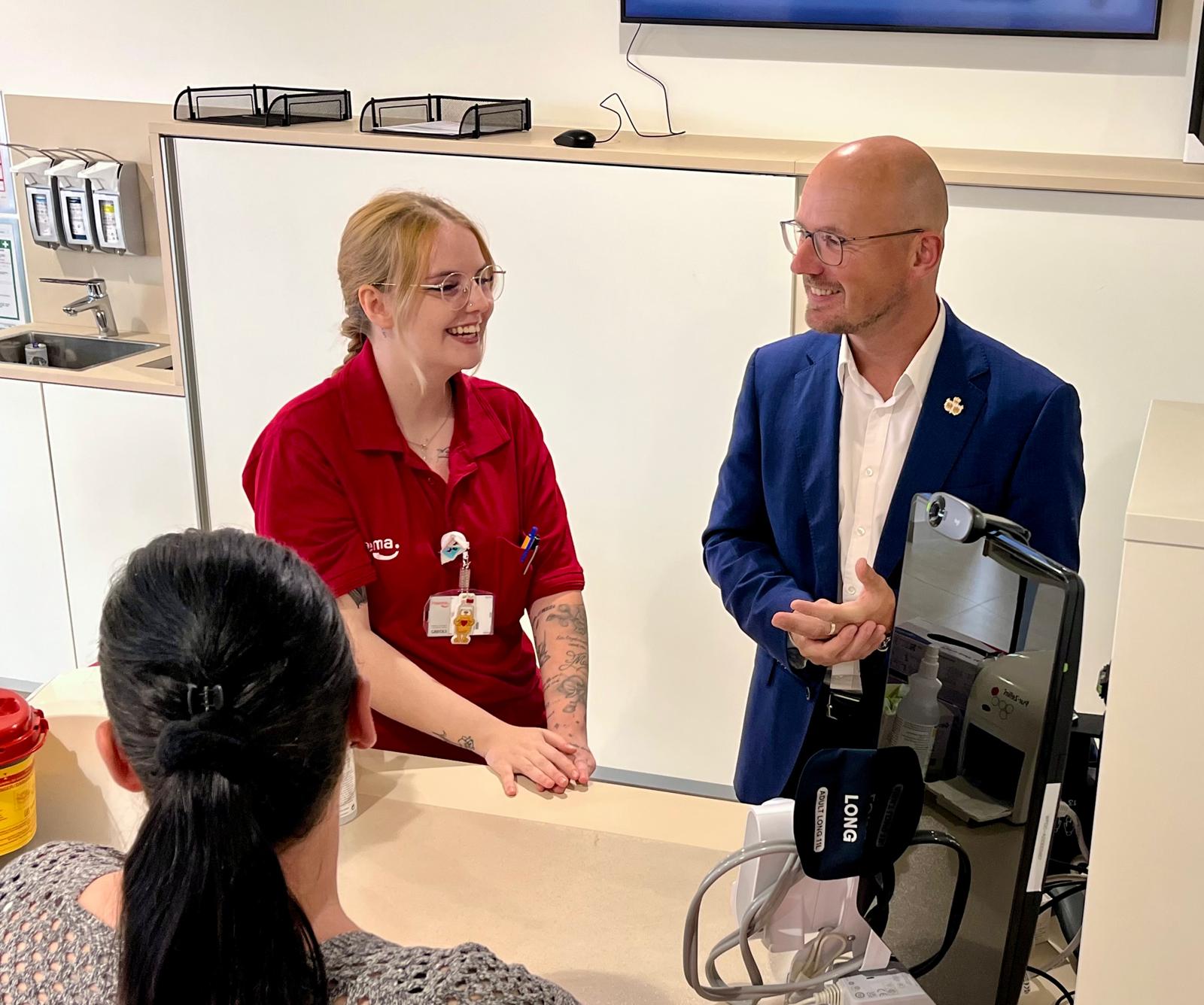
Havelland Mayor Daniel Keip is urging residents of the Brandenburg region to increase blood and plasma donations following a visit to the Haema donation center to assess local supply levels. The initiative aims to stabilize the availability of critical blood products and plasma derivatives used in emergency medicine and chronic disease treatment across the “Havelstadt” region.
The visit by Mayor Keip to the Haema facility serves as a public appeal to address the persistent need for voluntary donors. Blood and plasma services in Germany frequently face fluctuations in supply, particularly during holiday seasons or periods of illness, which can impact the readiness of regional hospitals to perform elective surgeries and treat trauma patients, according to the Haema donation service.
Plasma, the liquid component of blood, is specifically targeted in this drive because it is used to manufacture life-saving medications for patients with immune deficiencies, severe burns, and clotting disorders. Unlike whole blood, which is often used for immediate transfusions, plasma is processed into specialized proteins that have a longer shelf life but require a constant stream of new donors to maintain production quotas.
The Role of Plasma in Regional Healthcare
The distinction between blood and plasma donations is critical for public health infrastructure. While whole blood donations support acute needs such as surgery or accidents, plasma donations are the raw material for “fractionation,” a process where plasma is broken down into proteins like albumin and immunoglobulin. According to the German Red Cross (DRK), these derivatives are essential for treating patients who cannot produce enough of these proteins on their own.
Mayor Keip’s engagement with Haema highlights the reliance of the Brandenburg healthcare system on private and non-profit donation services. In the Havelland district, the accessibility of donation centers is a primary factor in donor turnout. By visiting the site, the Mayor intends to lower the barrier for citizens by emphasizing the safety and efficiency of the modern donation process.
Medical professionals note that plasma donors can visit centers more frequently than whole blood donors. While a whole blood donation typically requires a waiting period of eight to twelve weeks, plasma donations—specifically apheresis, where only the plasma is collected and the rest of the blood is returned to the donor—can often occur every two weeks, provided the donor meets health criteria.
Addressing Donor Shortages in Brandenburg
The appeal comes at a time when healthcare providers across Germany are reporting a shift in donor demographics. Younger generations are less likely to donate regularly compared to the “baby boomer” generation, creating a long-term sustainability gap. This demographic shift makes targeted municipal campaigns, such as the one led by Daniel Keip, necessary to recruit new, lifelong donors.
Potential donors in the Havelstadt area are encouraged to verify their eligibility through the Haema portal or local health clinics. Standard requirements include being in good general health, meeting weight minimums (typically 50kg), and not having certain medical contraindications. The process at the Haema center includes a mandatory medical screening to ensure the safety of both the donor and the recipient.
The impact of a single plasma donation is significant. One donation can potentially help multiple patients, as the proteins extracted from a single session are distributed into various medication vials. This multiplier effect is why municipal leaders prioritize plasma drives during periods of low inventory.
How to Access Donation Services in Havelland
Residents can schedule appointments via the Haema online booking system or walk into the center during operating hours. To expedite the process, donors are advised to bring a valid ID and drink plenty of fluids before their appointment to facilitate the collection process and reduce the risk of post-donation dizziness.
The local administration in Havelland continues to monitor the capacity of healthcare services to ensure that the region remains resilient against supply shocks. The Mayor’s office has indicated that further public awareness campaigns may be integrated into community events to keep the necessity of blood and plasma donations in the public consciousness.
The next phase of this recruitment effort involves coordinating with local employers and organizations to facilitate group donation days, which have historically proven more effective at attracting first-time donors than individual appeals.
For those interested in contributing, current availability and appointment slots can be checked directly through the official Haema scheduling platform. Please share this information with your community to help ensure local hospitals have the resources they need.
Keep reading