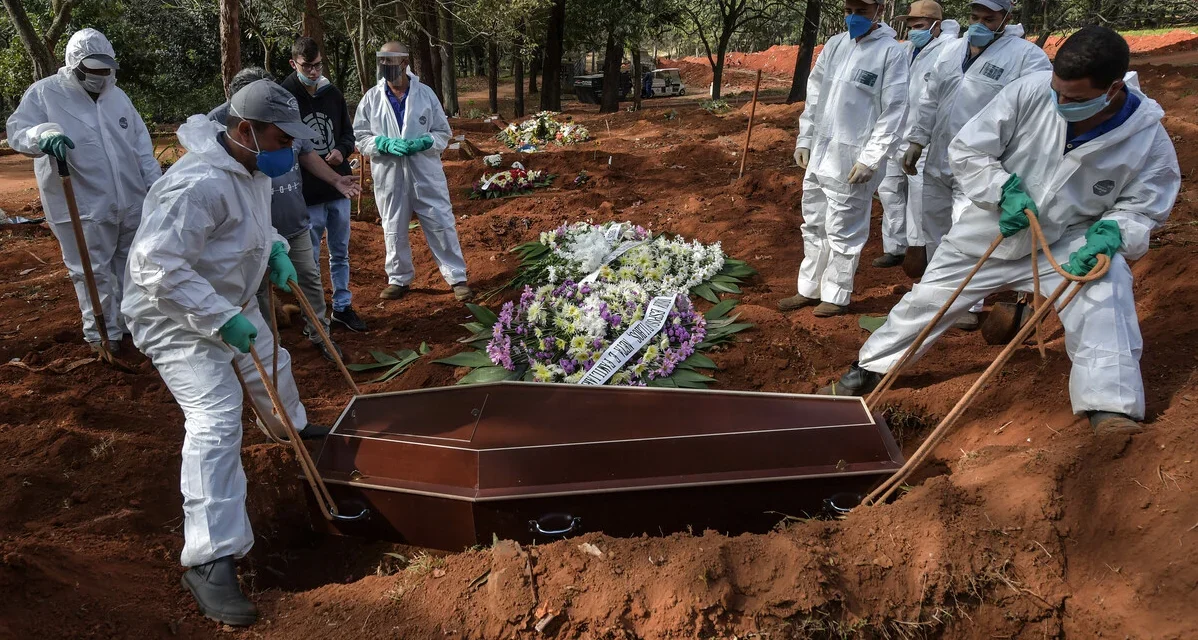
Recent epidemiological assessments suggest the death toll from COVID-19 in Brazil may be significantly higher than official government records indicate, with some estimates proposing that the actual number of fatalities could reach 2 million. While the Brazilian Ministry of Health has officially registered approximately 700,000 deaths since the start of the pandemic, researchers point to a substantial gap created by underreporting, limited testing capacity during peak waves, and the inclusion of excess mortality data that classifies many respiratory-related deaths without a confirmed laboratory test.
As a physician based in Berlin who has monitored international health policy throughout the pandemic, I find these discrepancies highlight a critical challenge in global public health: the difficulty of maintaining accurate surveillance in large, decentralized healthcare systems during a crisis. Understanding this potential discrepancy requires looking at how excess death statistics are calculated compared to direct laboratory-confirmed reporting.
Understanding the Discrepancy in Mortality Data
The difference between official figures and independent estimates primarily stems from how nations categorize causes of death. According to the World Health Organization (WHO), excess mortality is defined as the difference between the observed number of deaths in a specific period and the number expected in the absence of a pandemic. In Brazil, the lack of widespread testing during the early stages of 2020 and 2021 meant that many individuals who died from complications related to SARS-CoV-2 were never officially recorded as COVID-19 cases.
Researchers analyzing data from civil registries often find that spikes in deaths from “acute respiratory distress syndrome” or “unspecified pneumonia” align perfectly with the timing of COVID-19 infection waves. When these excess deaths are aggregated, the total often exceeds the government’s confirmed tally by a wide margin. This phenomenon is not unique to Brazil; similar adjustments have been made to mortality data in countries like India and the United States, where public health authorities have had to retroactively reconcile death certificates with clinical outcomes.
Public Health Implications and Surveillance
The debate over the 2 million figure underscores the vital need for robust, real-time health surveillance. Accurate data is not merely a matter of historical record; it is essential for resource allocation, such as the distribution of vaccines, medical supplies, and hospital infrastructure. When official data lags behind reality, local health departments may struggle to justify the funding required for emergency preparedness.
The Brazilian Ministry of Health continues to update its official dashboard, which serves as the primary reference for national policy. However, independent academic institutions, such as those associated with the Oswaldo Cruz Foundation (Fiocruz), often provide more granular analysis that accounts for regional socioeconomic disparities. These disparities often meant that vulnerable populations in remote areas had less access to diagnostic testing, further contributing to the undercounting of fatalities in the national registry.
What This Means for Future Pandemic Preparedness
For the global community, the Brazilian experience serves as a case study in the limitations of relying solely on laboratory-confirmed death counts during a public health emergency. Future pandemic response strategies must incorporate excess mortality modeling as a standard part of their reporting cycle to provide a more transparent view of the situation to the public.
As we continue to analyze the long-term impacts of the pandemic, the focus is shifting toward improving the digitisation of civil records and the integration of diagnostic networks. Ensuring that every death is accurately categorized allows for a better understanding of the virus’s true lethality and helps in designing more effective public health interventions for future outbreaks.
Readers interested in following the latest official updates on mortality trends in Brazil can consult the official government COVID-19 portal. As more data is audited from the 2020–2023 period, we expect further peer-reviewed studies to clarify the true impact of the pandemic. Please share your thoughts in the comments section below or join the discussion on our social channels.