
France is moving toward the implementation of a 15-year age threshold for social media access, a policy initiative designed to curb the influence of digital platforms on minors. The legislative effort reflects a growing trend among European nations to codify protections for children online, though the practical application of such a mandate remains a subject of intense debate among policymakers and privacy advocates. According to reports from the French National Assembly, the push for this age limit is part of a broader effort to mitigate risks such as cyberbullying, exposure to harmful content, and the psychological impacts of excessive screen time.
The legislative framework, which has seen significant support within the French parliament, seeks to require social media platforms to implement robust age verification systems. While the proposal is framed as a necessary intervention to safeguard children, critics—including various digital rights organizations—have raised concerns regarding the feasibility of enforcing such a law without infringing on user privacy or necessitating the collection of vast amounts of sensitive personal identification data. As of early 2024, the French government has continued to refine the technical requirements for these platforms to ensure compliance with the European Union’s Digital Services Act (DSA), which governs online safety standards across the bloc, as noted by the European Commission.
The Legislative Pathway and Enforcement Challenges
The movement toward a 15-year age limit in France gained momentum following legislative discussions regarding the digital protection of minors. Lawmakers have faced the complex task of balancing parental control with the state’s responsibility to protect youth. The legislation aims to hold platforms accountable for verifying the age of their users, a move that requires technical solutions that do not compromise the anonymity of adults or the privacy of children. According to the French government’s official portal, the focus remains on ensuring that platforms provide age-appropriate environments and limit the algorithmic promotion of potentially damaging material to younger demographics.
Enforcement remains the primary hurdle for the proposed mandate. Unlike traditional age-restricted industries, such as alcohol or tobacco, digital platforms operate across borders, making domestic regulation difficult. Tech industry representatives have pointed out that existing age-gating technologies—such as credit card verification or government ID uploads—can be easily circumvented by tech-savvy minors. Furthermore, privacy advocates have warned that widespread age verification could lead to the mass harvesting of personal data, creating new security risks. In alignment with the European Union’s General Data Protection Regulation (GDPR), any solution implemented by social media companies must prioritize data minimization and security, as detailed in the regulatory guidelines provided by the CNIL, France’s data protection authority.
European Context and the Digital Services Act
France’s initiative does not exist in a vacuum; it is part of a larger European effort to regulate big tech. The Digital Services Act (DSA) mandates that “very large online platforms” must assess and mitigate systemic risks to the rights of children, including their mental and physical well-being. By setting a specific age threshold, France is testing the boundaries of how national law can supplement these EU-wide requirements. Experts tracking the implementation of the DSA, such as those at the Reuters Institute for the Study of Journalism, have highlighted that the success of these measures depends largely on the cooperation of major social media corporations in developing standardized, privacy-preserving verification tools.
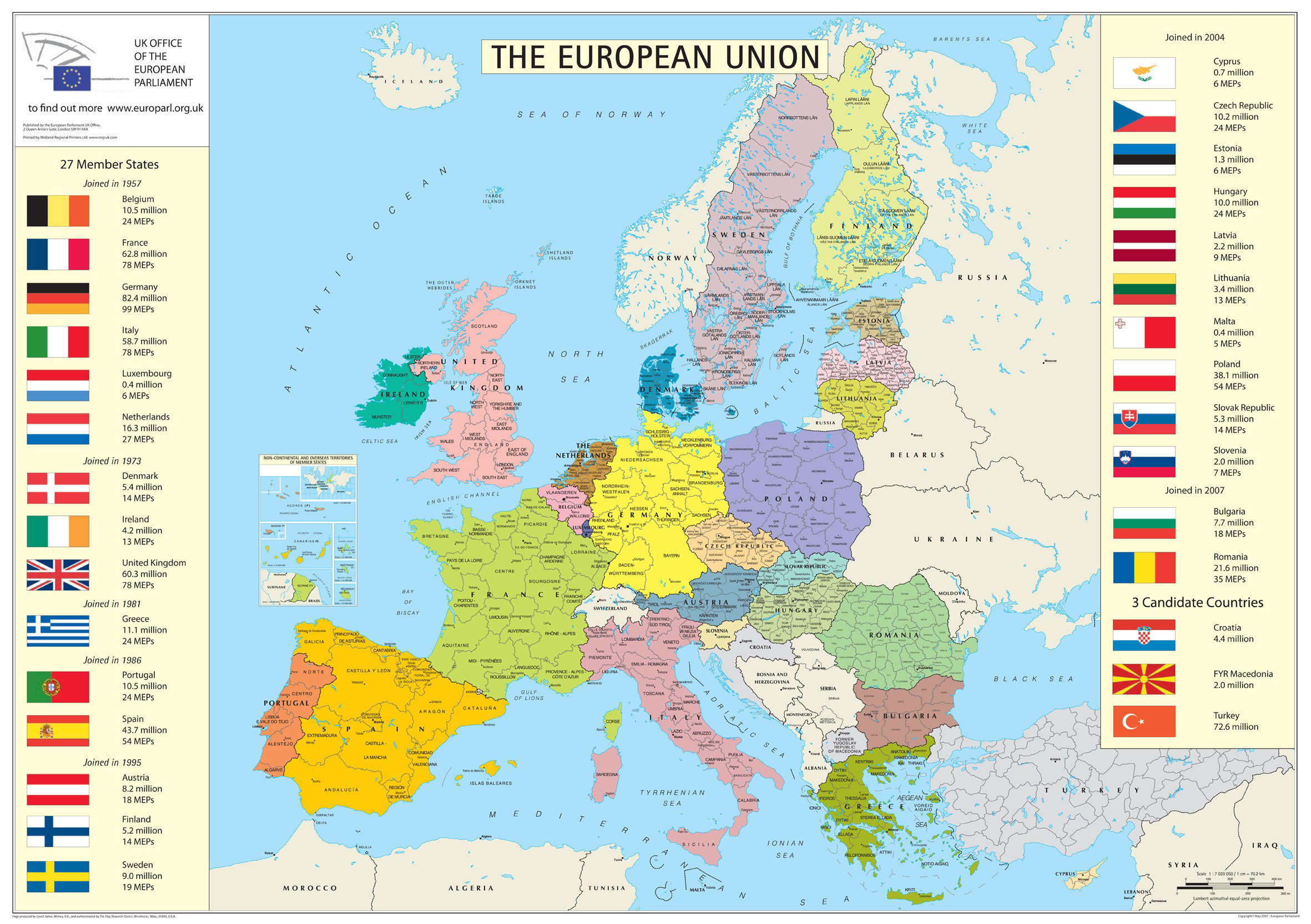

The debate also touches on the role of parental consent versus state-mandated restrictions. While some advocates argue that the state should provide a “hard” wall for access, others emphasize that digital literacy and parental guidance are more sustainable solutions. The French approach has been characterized by some observers as an attempt to shift the burden of safety from the user to the platform provider, a pivot that could set a precedent for other EU member states currently drafting their own child-safety legislation. The European Commission continues to monitor these developments to ensure that national laws do not create fragmentation within the Single Market, according to policy updates published on the official EU legislative portal.
Current Status and Next Steps
As the implementation timeline progresses, the focus for the French government remains on finalizing the technical standards for age verification. The government is expected to release further guidance on how platforms should conduct these checks while maintaining compliance with existing privacy laws. For parents and educators, the Ministry of Education has begun rolling out resources aimed at helping families manage digital exposure, emphasizing that no legislation can replace active monitoring and dialogue regarding online safety. Official updates regarding the enforcement start dates and the specific platforms subject to the new requirements are expected to be published on the French government’s official website in the coming months.
The path forward will likely involve ongoing negotiations between regulators, privacy experts, and the tech sector. As these policies evolve, international attention remains fixed on whether France’s model can successfully balance the protection of minors with the fundamental principles of digital privacy. Further developments, including potential legal challenges or refinements to the technical specifications, will be reported as they occur. Readers are encouraged to monitor official government bulletins for the most current information regarding the application of these rules.