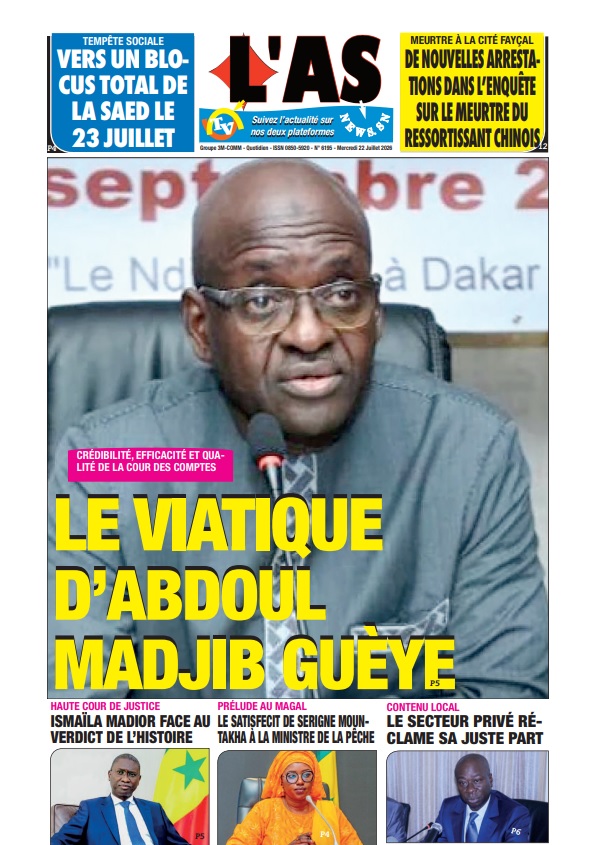
The Minister of Fisheries, Amy Mara Dieye, has become the center of a national public discourse following a recent public appearance that sparked significant social media criticism. The debate, which gained momentum this week, centers on the minister’s oratorical style and linguistic delivery during a visit to the Touba fish market, where she engaged with local industry stakeholders.
The controversy began after videos of the minister’s address circulated online. Critics pointed to what they described as “hesitations” and errors in her command of the French language. The online reaction was swift, prompting a series of public responses from political observers and communication experts who sought to contextualize the incident within the broader landscape of public speaking by high-ranking officials.
Defending the Minister: Communication Experts Weigh In
In response to the viral criticism, communication analyst Tamsir Bakhoum publicly defended the minister, characterizing the incidents as “hesitations oratoires.” Bakhoum argued that such lapses are common among global political figures, including Barack Obama and George W. Bush, both of whom were frequently scrutinized for verbal slips during their respective tenures.
By framing the minister’s performance in the context of international political communication, supporters of the minister have attempted to shift the narrative away from individual competence and toward the inherent pressures of public office. The defense suggests that the intensity of the “bad buzz” on social media platforms is disproportionate to the actual substance of the minister’s communication.
Engagement at the Touba Fish Market
Despite the online focus on her speaking style, the minister’s visit to the Touba market was ostensibly focused on addressing the operational concerns of local fish traders and industry workers. During her visit, Dieye promised responses to the concerns raised by actors in the fish market.
Public Reaction and the Role of Social Media
The social media response to the minister’s intervention included commentary from various public figures, including Alioune Tine. Tine’s reaction, shared across digital channels, added weight to the ongoing debate regarding how public officials are scrutinized in the digital age.