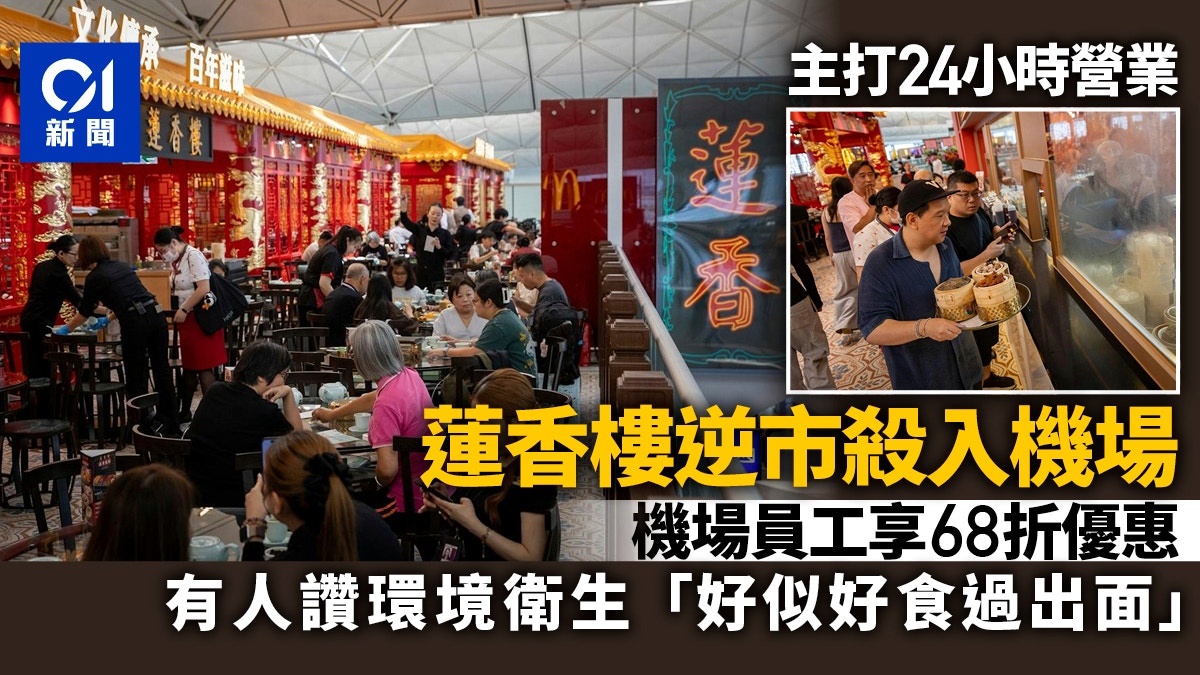
Lin Heung Tea House, a historic institution synonymous with traditional Cantonese dining in Hong Kong, has launched a new 24-hour operation at the Hong Kong International Airport (HKIA). The expansion into Terminal 1 marks a significant shift for the century-old brand, which is moving away from its traditional operational model to capture a broader base of international travelers and late-night commuters.
The decision to establish a continuous service model represents a strategic effort to modernize the brand’s reach while maintaining its core identity. By operating around the clock, the establishment aims to provide a consistent touchpoint for travelers seeking authentic dim sum and tea culture regardless of their arrival or departure times. This move is viewed by industry observers as a departure from the brand’s historical reliance on its legacy locations, signaling an intent to actively engage with the global tourism sector.
Strategic Expansion to HKIA
The new HKIA location, situated within the Terminal 1 passenger building, began its trial operations to accommodate the high volume of traffic flowing through one of the world’s busiest aviation hubs. Unlike its traditional urban counterparts, which often operate on fixed schedules, the airport branch is designed to meet the demands of a 24-hour transit environment. According to initial reports regarding the launch, the menu focuses on preserving the classic “yum cha” experience—the practice of drinking tea and eating dim sum—tailored for travelers who may be unfamiliar with the nuances of Hong Kong’s culinary heritage.
For a brand with over 100 years of history, the transition into an airport environment serves as both a commercial expansion and a cultural outreach initiative. Management has indicated that the goal is to prevent the brand from stagnating by relying solely on its reputation. By positioning itself at the gateway to the city, the tea house is attempting to introduce the ritual of dim sum to visitors at their point of entry or exit, rather than requiring them to seek out traditional districts in the city center.
Adapting to Contemporary Market Demands
The move to 24-hour service is a logistical challenge for a business built on the labor-intensive traditions of trolley-service dim sum. In the context of Hong Kong’s current economic climate, where the hospitality sector continues to navigate shifts in consumer behavior and tourism patterns, this development reflects a broader trend among legacy brands to seek high-traffic, high-visibility locations. The airport location provides access to a captive audience, mitigating some of the volatility associated with neighborhood-based foot traffic.
Industry analysts have noted that the survival of long-standing food and beverage brands in Hong Kong often depends on their ability to pivot without losing the “old-school” charm that defines their market value. The integration of a heritage brand into a modern, sterile airport environment requires careful balancing of speed—essential for travelers—with the slower, communal pace of traditional tea drinking. The success of this trial period will likely hinge on whether the brand can maintain its quality standards while operating at a pace dictated by flight schedules.
Implications for Hong Kong’s Food Tourism
The presence of Lin Heung Tea House at HKIA is part of a larger effort to bolster the “Hong Kong brand” for international audiences. As the city continues to promote itself as a premier destination for culinary tourism, the visibility of iconic, century-old establishments in public infrastructure is intended to reinforce the city’s status as a center for authentic Cantonese culture. This strategy connects historical heritage directly with the modern transit experience, ensuring that even short-term visitors have access to a piece of local history.
The operational shift also highlights the evolving nature of Hong Kong’s dining scene, where the line between “heritage” and “commercial convenience” is becoming increasingly blurred. While critics of such expansions often worry about the dilution of traditional practices, supporters argue that accessibility is key to cultural preservation. By meeting travelers where they are, the brand ensures its longevity and continues to serve as a cultural ambassador for Hong Kong’s unique tea-drinking traditions.
As the trial phase progresses, the management is expected to evaluate customer feedback and operational efficiency to refine the service. Further updates regarding the permanent status of the 24-hour service will be contingent on the performance metrics observed during this initial launch period. For travelers and residents interested in visiting the new location, the airport terminal remains the primary point of service, with further updates regarding menu availability and operational hours expected to be communicated through official airport and brand channels.
Readers are encouraged to monitor official announcements from the Hong Kong International Airport regarding terminal service updates and to share their experiences with this new iteration of the historic brand in the comments section below.