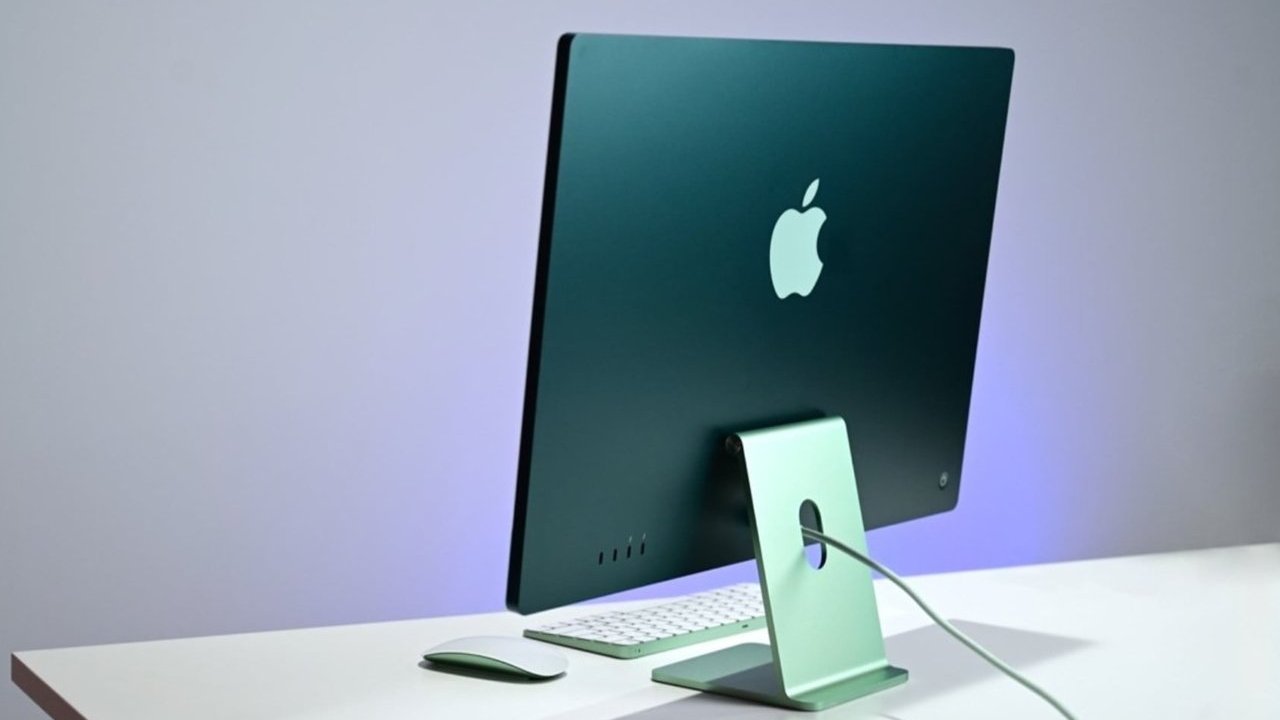
Apple is developing updated versions of its Mac mini, Mac Studio, and iMac, though release timelines remain uncertain due to ongoing chip shortages. While the company pursues a hardware overhaul to meet surging AI-driven demand, high-end MacBook Pros with OLED displays are expected to arrive between late 2026 and early 2027.
Mac Mini and Mac Studio Development Updates
Apple is actively testing new configurations for its desktop lineup to address performance needs, according to recent reports. The Mac mini is currently being evaluated with both M5 Pro and M6 processors, while the Mac Studio is slated to feature the M5 Max and M5 Ultra chips. These developments come as the company continues to refine its hardware to better support the resource-heavy demands of AI firms, which are currently consuming a significant portion of available RAM and processor supplies.
Despite these internal testing milestones, the path to market is complicated by supply chain constraints. Shipping lead times for existing models have been steadily increasing since March 2026. As of now, the base model of the Mac Studio faces a delivery window of 10 to 12 weeks, while higher-end configurations can take up to 14 weeks to reach customers. Because of these shortages, the company has not established firm announcement or release schedules for the updated machines.
OLED Technology Integration for iMac and MacBook Pro
The transition to OLED display technology remains a central goal for Apple’s broader hardware roadmap. Following the introduction of OLED screens to the iPad Pro in 2024, the company is working to bring the technology to its laptop and desktop computers. However, the implementation is staggered; the MacBook Pro is expected to adopt OLED panels by late 2026 or early 2027, while the iMac is considered a longer-term project, potentially not seeing an OLED refresh until 2029 or 2030.

For more on this story, see Meta Develops Custom CXL Chip to Reuse Old Server RAM Amid Rising Costs.
Reports indicate that the MacBook Pro is predicted to receive OLED technology by late 2026 or early 2027.
While OLED provides benefits such as increased brightness, higher contrast, and improved color accuracy, the complexity and cost of manufacturing these panels have slowed widespread adoption across the Mac line.
AirPods Lineup Refresh and Product Pricing
Beyond its computer hardware, Apple is moving to overhaul its wearables segment. The company plans to replace its second- and third-generation AirPods with two distinct fourth-generation models. These upcoming devices are expected to feature a hybrid design incorporating elements from both the third-generation AirPods and the Pro model, along with a transition to USB-C charging cases. The higher-end version of these earbuds will include active noise cancellation and a charging case equipped with speakers to support Find My alerts.
The company is also adjusting its pricing strategy for home and accessory products to reflect rising costs and market demand.
| Product | New Price | Increase |
|---|---|---|
| HomePod mini | Price varies | Increased |
| HomePod | Price varies | Increased |
| Apple TV | Price varies | N/A |
Ultimately, the timeline for both the new Mac desktop models and the broader hardware refresh remains tethered to the availability of memory chips.
Keep reading