
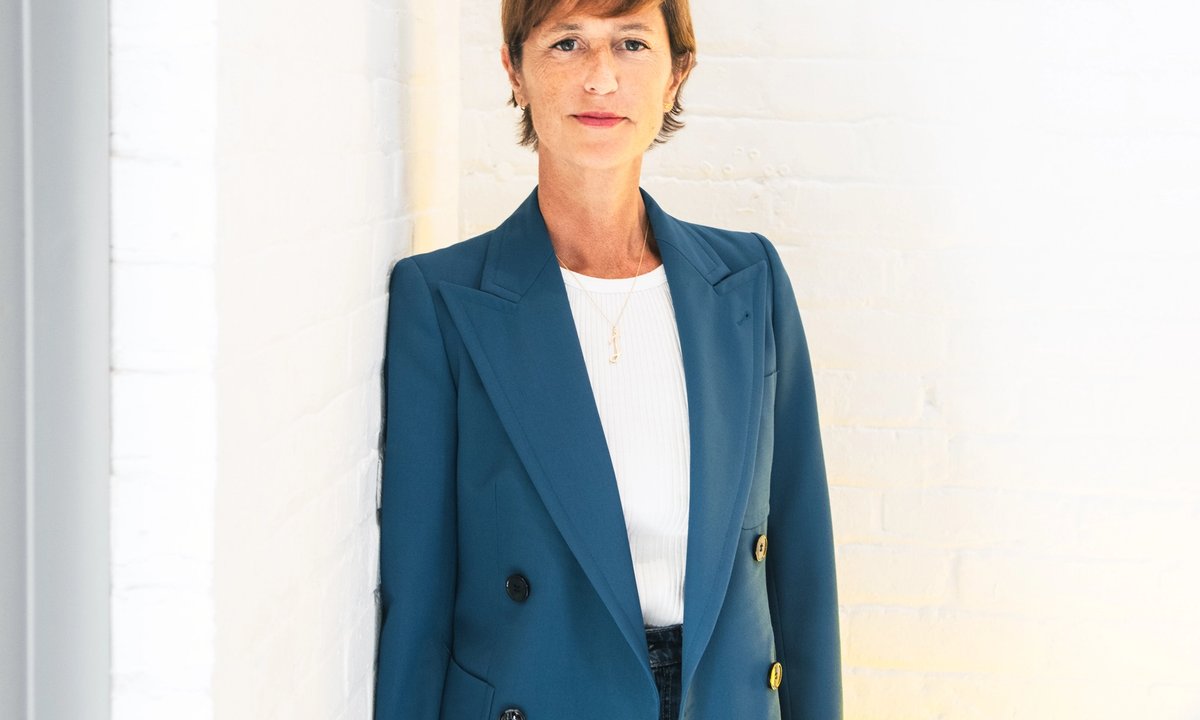
Jessica Morgan, current director of New York’s Dia Art Foundation, has been appointed the new director of Tate. She will succeed Maria Balshaw in January, taking on the role at a significant salary reduction as the organization navigates financial constraints and recent staff morale challenges across its four UK sites: Tate Britain, Tate Modern, and the galleries in Liverpool and St Ives.
Leadership Transition and Salary Adjustments
The appointment of Jessica Morgan concludes a high-profile search to replace Maria Balshaw, who departed the position earlier this spring after a nine-year tenure. Morgan, who has led the Dia Art Foundation since 2015, is set to assume control of the institution in January. The transition comes as Tate faces a complex financial environment, a reality underscored by the compensation structure of the new role.
According to tax filings, Morgan earned $814,000 (more than £600,000) in 2025 at Dia, a figure substantially higher than the £220,000 to £225,000 salary earned by her predecessor at Tate. Roland Rudd, Tate’s chair, confirmed that he provided the maximum compensation possible under the constrictions he faced,
acknowledging that Morgan is accepting a very big pay cut
to return to the UK institution. Rudd added, I think within the committee, there were a few people who said she’s been incredibly hyped, is she really this good? And the answer is, yes, she really is.
Strategic Vision for a Bruised Institution
Morgan’s return to Tate marks a homecoming; she previously worked as a curator at the organization for more than a decade. Despite her familiarity with the organization, she inherits a site currently grappling with the aftermath of pandemic-era financial strain, including rounds of redundancies, restructuring, and industrial action that, as reported by The Guardian, left staff morale “on the floor.”
Rudd expressed confidence in Morgan’s ability to navigate these internal pressures, describing her as an agent of change
who possesses the rare ability to lead without leaving her team behind. At Dia she transformed that museum, but she’s done it in a way where she’s carried people with her and I really like that,
Rudd said. Morgan herself emphasized a commitment to the institution’s core mission, stating, I look forward to this pivotal next stage at Tate and, most importantly, continuing and advancing the incredible work of Tate’s committed and talented team in the years to come.
Curatorial Priorities and Institutional Growth
During her tenure at Dia, Morgan prioritized diversifying the foundation’s collection and programming. When she joined in 2015, she noted that the collection was the epitome of a dead-white-male institution,
with women artists accounting for only 6.8% of the works. By 2024, that figure had risen to 29%. Her approach to collection building has earned her a reputation as a talented curator and tireless fundraiser. Her work in the Middle East, South Asia, South Korea, and Latin America, coupled with her academic background at Cambridge and the Courtauld Institute of Art, has prepared her for the global scope of the Tate directorship.
Operational Challenges at Tate
Beyond internal morale, Morgan will face broader systemic issues affecting UK national museums. Tate is currently managing four distinct sites, which can lead to financial exposure, and is working toward an ambitious goal of raising £150m through a new US-style endowment by 2030. Furthermore, the institution must navigate ongoing government discussions regarding the potential introduction of admission charges for international visitors. As the organization looks ahead, Rudd noted that the new director is expected to question a lot of things,
signaling that significant operational shifts may be on the horizon as Tate attempts to define its direction in the post-Nicholas Serota era.