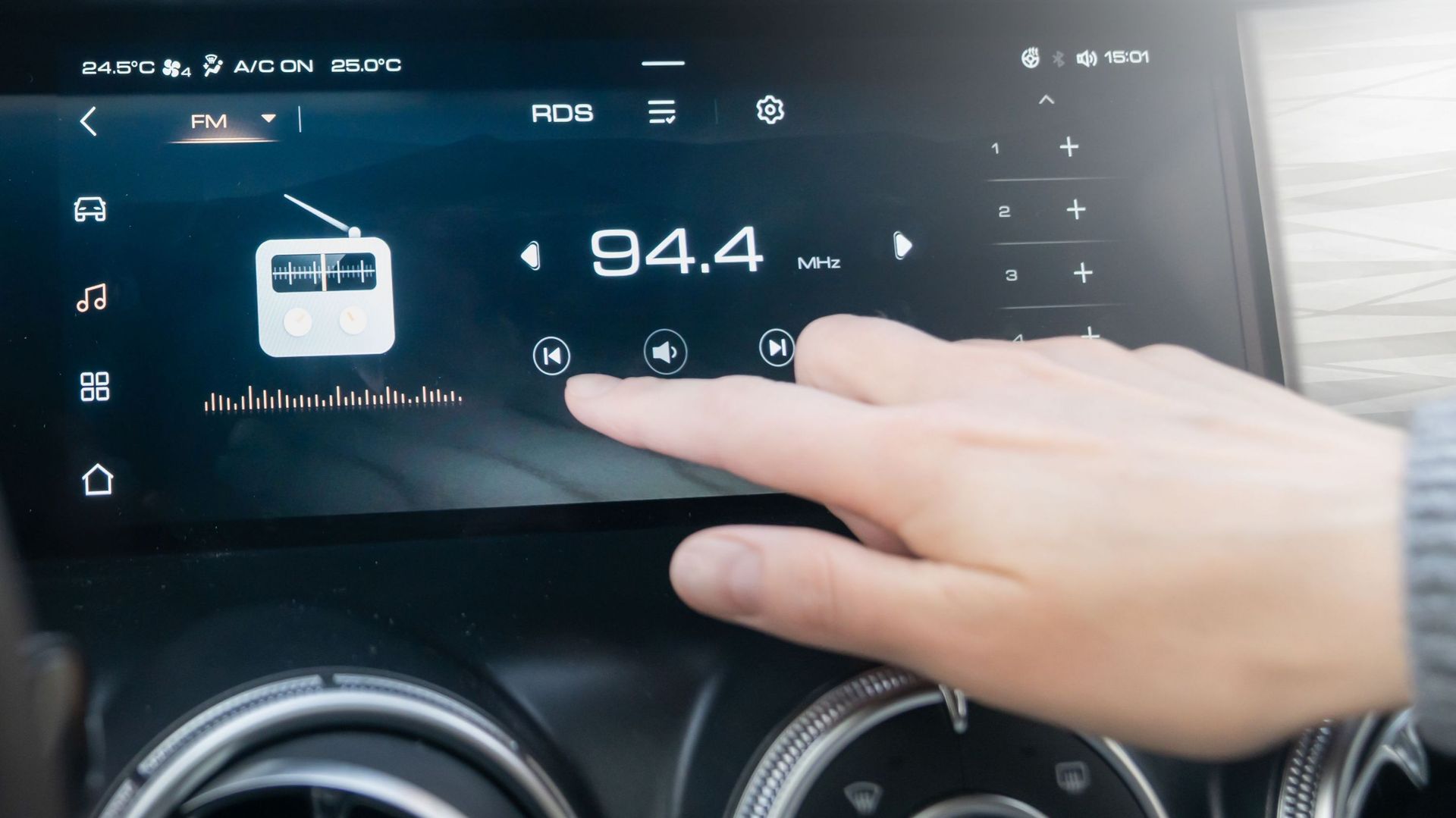
Belgium is preparing to formally request that the European Union mandate the inclusion of terrestrial radio receivers in all new vehicles sold across the bloc. Federal authorities argue that maintaining broadcast radio is essential for public safety, citing its reliability as a communication channel during emergency situations where digital or cellular networks may fail.
The initiative, led by Belgian policymakers, aims to ensure that radio remains a standard feature in the automotive industry as manufacturers increasingly shift toward infotainment systems dominated by digital streaming and internet-based services. According to the European Broadcasting Union (EBU), terrestrial radio—specifically FM and DAB+—provides a robust, free-to-air infrastructure that functions independently of data coverage, making it a critical tool for civil protection agencies to reach citizens during natural disasters or security crises.
The Safety Case for Terrestrial Broadcasts
The push to retain physical radio hardware is rooted in the “lifeline” capacity of broadcast networks. Unlike cellular networks, which can become congested or experience power outages during peak demand or major events, traditional radio signals remain accessible as long as the receiver has power. This characteristic has led several European nations to prioritize the technology as a pillar of their national resilience strategies.
Belgium’s position aligns with existing directives in other jurisdictions. For instance, the European Electronic Communications Code (Directive (EU) 2018/1972) already grants member states the ability to mandate interoperability for consumer radio equipment. By advocating for a broader, EU-wide requirement in new vehicles, Belgium seeks to standardize this safety feature, ensuring that drivers can receive emergency alerts regardless of the vehicle’s origin or the specific market it was manufactured for.
Industry Trends and the Digital Shift
The automotive industry has seen a notable decline in the inclusion of standard AM/FM tuners in some high-end electric vehicle models, where manufacturers have opted to favor app-based audio integrations. This trend has raised concerns among regulators and public broadcasters who fear that a reliance on subscription-based data services could create a “digital divide” in public safety communication.
Research from the European Commission on the digital transformation of the automotive sector highlights that while connected services offer enhanced user experiences, they do not currently match the reach and universality of traditional broadcast signals. Proponents of the Belgian proposal emphasize that while the transition to DAB+ (Digital Audio Broadcasting) is well underway in many European countries, the underlying hardware must remain accessible to all vehicle occupants without requiring additional data plans or connectivity.
Next Steps in European Policy
The Belgian proposal is expected to be presented to the European Commission for consideration in the coming months. The success of this motion will depend on the support of other member states that share concerns regarding infrastructure resilience and the accessibility of emergency information for the traveling public.
If the European Union decides to move forward with a legislative proposal, it would likely involve a formal consultation process with automotive industry stakeholders, consumer protection groups, and national media regulators. Any resulting regulation would need to balance the rapid pace of technological innovation in vehicle design with the long-standing requirements for public service broadcasting and emergency preparedness. Further updates are expected following the next scheduled meeting of the European Council of transport ministers, where the intersection of vehicle technology and public safety remains a persistent agenda item.
We encourage our readers to monitor the official European Commission legislative portal for forthcoming public consultations on this automotive mandate. Please share your thoughts on the future of in-vehicle technology and broadcast standards in the comments section below.
Related reading