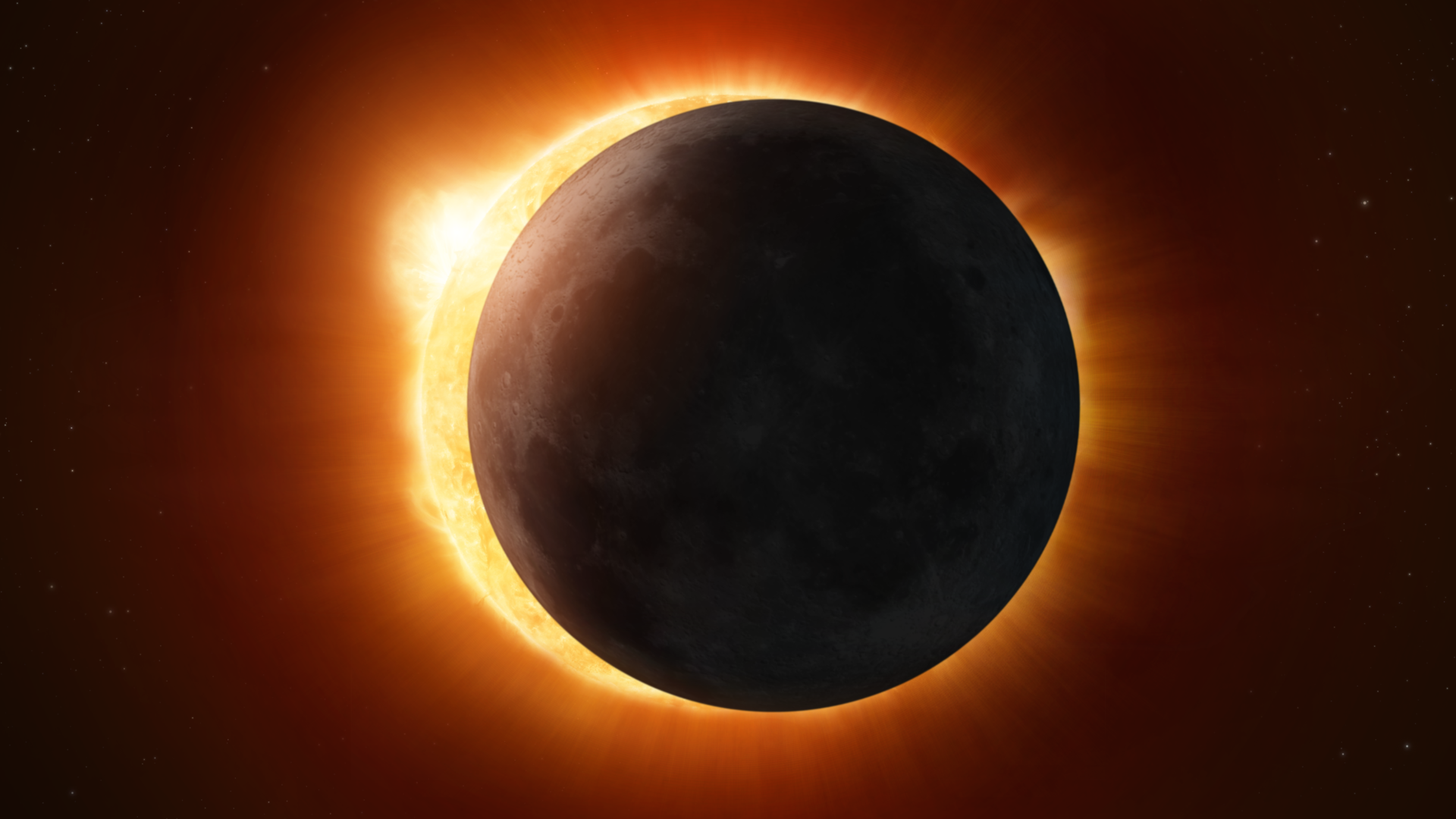
On August 12, 2026, parts of Europe will experience a total solar eclipse. Northern Spain, Iceland, and Greenland lie directly on the path of totality, prompting the European Space Agency, local authorities, and cruise operators to organize public viewing events and specialized travel packages.
August 12, 2026 Total Solar Eclipse Path
The celestial alignment will trace a shadow roughly 5,133 miles (8,260 km) long and up to about 182 miles (293 km) wide, sweeping from the Arctic down to the Mediterranean Sea on August 12, 2026. Outside this narrow corridor, observers will catch only a partial eclipse.
August 12, 2026 Total Solar Eclipse Path
While residents in regions like the UK and Ireland will experience a partial solar eclipse, losing sight of about 90% of the Sun, visitors traveling to northern Spain, Iceland, and Greenland will experience complete daytime darkness for a brief period.
Palacio de Exposiciones y Congresos de León
Northern Spain will be one of the best places in the world to experience totality when the Moon completely covers the Sun. In León, the European Space Agency has partnered with the City of León and the University of León to host a free public gathering at the Palacio de Exposiciones y Congresos de León. The daytime program, running from 10:00 to 14:00 CEST, features hands-on workshops, experiments, and interactive activities designed for all ages, ranging from the science of the Sun and eclipses to Europe’s space missions, aerospace engineering, and the history of astronomy. In the late afternoon, the programme moves outdoors; gates open at 17:30 CEST before the main stage programme begins at 18:30 CEST.
Further south, Valencia is preparing an extensive series of cultural events. Pedro García Lario, an astronomer at the European Space Agency and member of the Scientific Advisory Committee for the Eclipse Trio, which was established by Spain’s National Commission on Astronomy, described the significance of the upcoming sequence.

“A total solar eclipse isn’t just a spectacle—it’s one of the rare moments when nature ‘switches off’ the sun just enough for us to see what’s otherwise invisible,”
Pedro García Lario, astronomer at the European Space Agency
García Lario further noted regarding Valencia that totality will last approximately 60 to 70 seconds, with the maximum at 8:32 p.m. on 12 August, while the partial eclipse will be visible for one hour and 22 minutes, from 7:38 pm to 9:01 pm, right at sunset, with the center line of totality passing through Alcossebre in Castellón. García Lario also stated that between 2026, 2027, and 2028, Spain will host three exceptional solar eclipses—two total and one annular—noting that it is extraordinarily rare for a single country to see that sequence in such a short span of time. The last total solar eclipse visible from mainland Spain was in 1905, more than a century ago.
Because the eclipse occurs in the early evening in Spain, the Sun will sit very low on the western horizon.
Hotel Puerta Serranos and Grand Hotel Centenari
Hotels and tour operators are capitalizing on the geometry. In Valencia, rooftop venues such as Luna de Valencia at the Hotel Puerta Serranos and the Grand Hotel Centenari are organizing rooftop viewings featuring specialized cocktail packages and music, according to management teams cited by National Geographic.
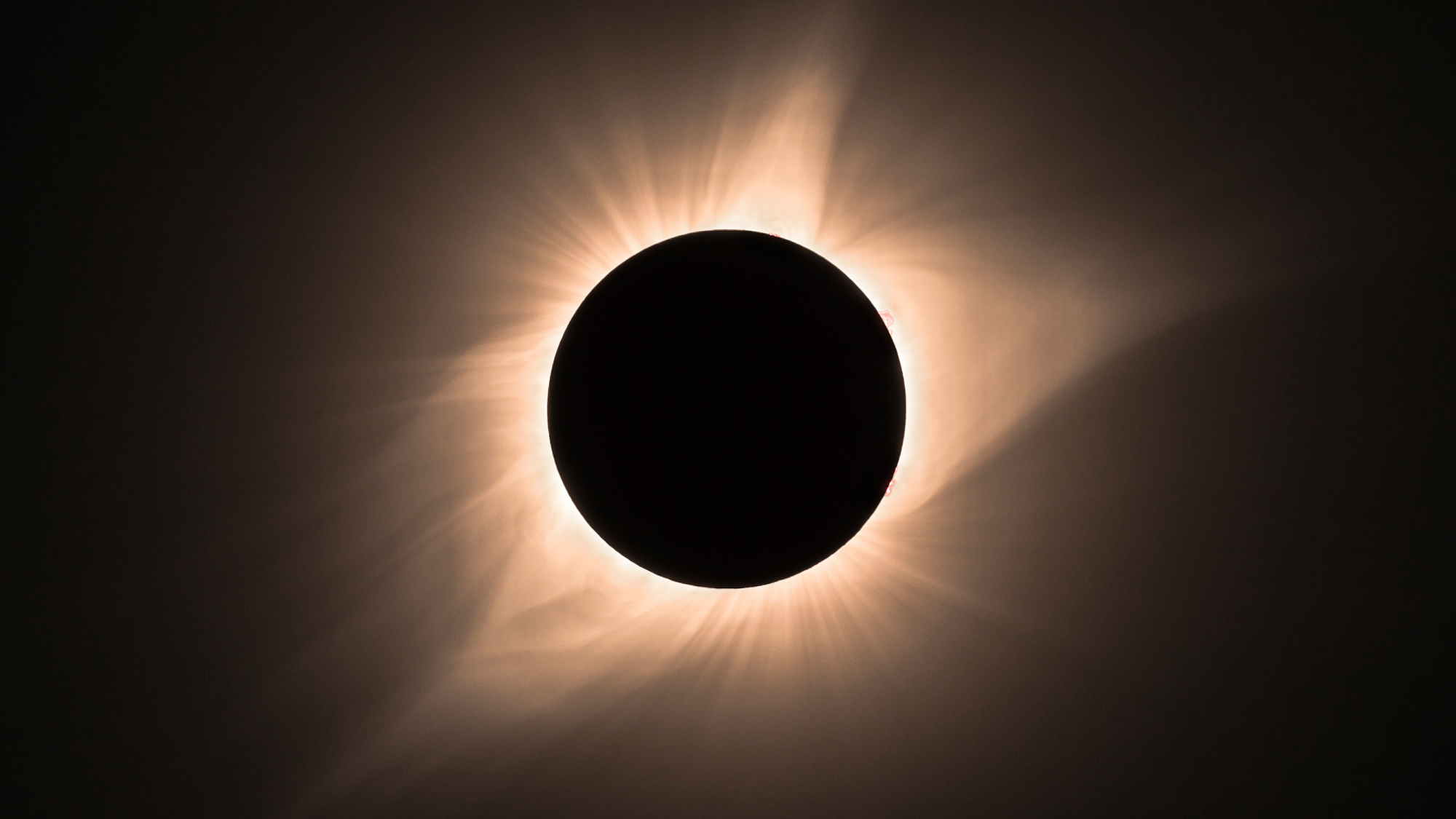
Cruise lines including Celebrity, Fred Olsen, and Princess are also routing vessels to ensure passengers stay directly on the path of totality at sea, The Week reported.
Experts stress the necessity of proper eye protection. Staring at the sun during a partial or solar eclipse may seem enticing, but it can cause irreversible damage to the retina without the right eye protection, Lario told National Geographic. Regular sunglasses just don’t cut it; observers must use proper eclipse glasses, which are thousands of times darker than regular sunglasses. You can find them at specialty shops, opticians, science museums, and universities; be careful to look for the ISO 12312-2 certification as there are often counterfeit pairs around.
Keep reading