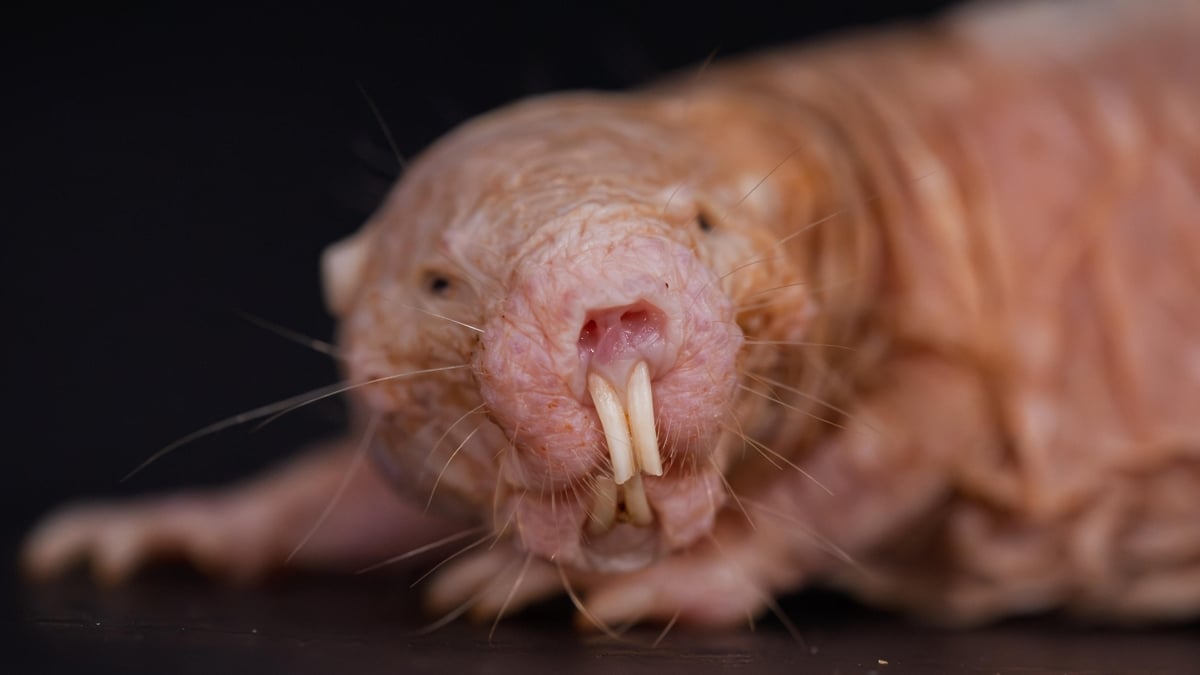
Naked mole-rats live in subterranean, cooperative colonies structured much like those of ants and bees, featuring a single breeding female known as the queen, according to Sciencealert. While dozens of other females remain infertile to dig tunnels, defend nests, and raise pups, scientists have long known that removing the queen triggers a dramatic power struggle, with dominant females battling—sometimes fatally—to replace her, as reported by Sciencealert.
How Naked Mole-Rat Queens Maintain Social Order
New research published in Nature reveals that queens govern this rigid social hierarchy through scent, utilizing a chemical signal to suppress rival fertility Sciencealert. The idea that a single scent can maintain peace and prevent violence may sound like science fiction,
Mohammed Khallaf, a neuroscientist at the Max Delbrück Center in Berlin and first author of the study, told Sciencealert. In the world of naked mole-rats, it is reality.
The Discovery of the Royal Molecule
To identify how reproduction is controlled, researchers analyzed hundreds of samples collected from more than 350 mole-rats, isolating hundreds of volatile compounds, according to Sciencealert. One specific chemical, isopropyl myristate (IPM), stood out because it was abundant in queens while being almost undetectable in non-breeding animals (Sciencealert). IPM levels reached their highest points when queens were ovulating, linking the compound directly to reproductive status (Sciencealert).
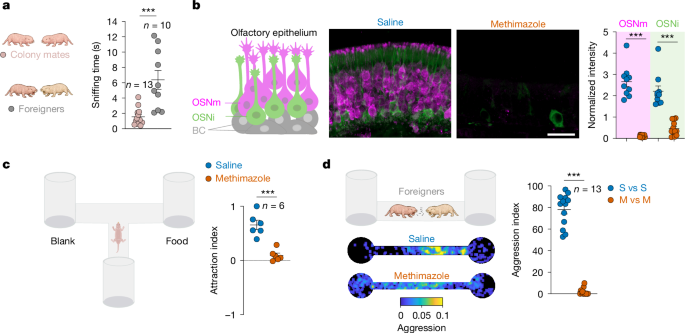
Unlike many odor molecules that evaporate quickly, IPM lingers in the underground tunnels where naked mole-rats spend their lives, and active patrols by the queen help spread the compound throughout the network (Sciencealert). Testing confirmed that high-ranking females actively avoided bedding treated with IPM, whereas lower-ranking animals did not alter their behavior (Sciencealert).
Acting as a Super Contraceptive
To verify whether the scent alone could maintain order without the physical presence of a reigning monarch, researchers removed mating pairs from colonies and treated their cages with daily doses of isopropyl myristate (Ars Technica). Normally, isolated mole-rats start breeding within four or five weeks, but daily sprinkles of IPM reliably prevented pregnancy (Ars Technica).
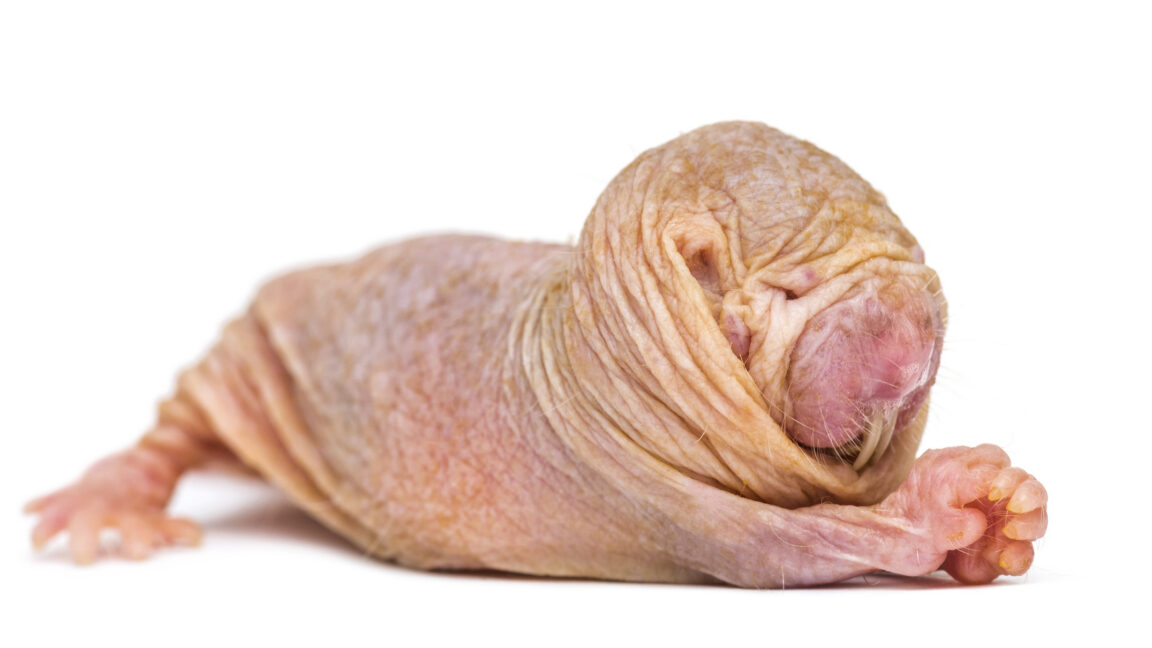
When scientists removed the queen entirely from established colonies and dosed them with IPM every day for three months, no succession battles or coup d’états emerged (Ars Technica). Progesterone levels remained low, and no females became pregnant or emerged as reproductive queens (Ars Technica).
Everything was peaceful,
researcher Lewin told Ars Technica. We had no fights. We had no females emerging as reproductive queens. The molecule was acting as a super contraceptive keeping them all sexually repressed.
Broader Implications and Evolutionary Questions
The findings demonstrate that naked mole-rat biology is more closely tied to insect eusociality than previously thought, mirroring how honeybee queens use pheromones to keep worker daughters from developing ovaries (Ars Technica).
However, whether this chemical mechanism appears elsewhere in the mammalian evolutionary tree remains uncertain (Ars Technica). Isopropyl myristate is not exclusive to naked mole-rats; it is also used in cosmetics and has been detected in the breast secretions of lactating human mothers, though its function there remains unknown (Sciencealert, Ars Technica).
This molecule or similar molecules may have effects on reproduction in species other than naked mole rats, maybe even including humans,
Lewin told Ars Technica. We just don't know that.
Keep reading